Hungnam: A Strategic Port City of North Korea
Located on the eastern coast of the Korean Peninsula along the Korean East Sea (Sea of Japan), Hungnam is a vital port district of Hamhung, the second-largest city in North Korea. Situated just 13 kilometers (8 miles) from the center of Hamhung, Hungnam transitioned from an independent city to a ward of Hamhung in late 2005.
Key Facts
- Location: Port district of Hamhung, North Korea.
- Historical Significance: Site of the massive UN and civilian evacuation in December 1950.
- Industrial Hub: Home to the Hungnam Fertilizer Complex and the February 8 Vinylon Factory.
- Transport: Served by the Pyongra Line railway via Hungnam Station.
- Administrative Status: Divided into 43 tong (neighborhoods), 1 rodongjagu (workers' district), and 5 ri (villages).
The Historic Hungnam Evacuation
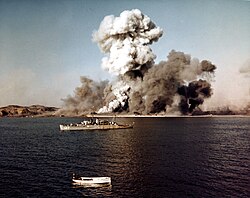
Hungnam is most recognized globally for the Hungnam evacuation, a critical operation during the Korean War in late December 1950. This event served as the conclusion to the Battle of Chosin Reservoir, where United Nations (UN) forces fought to escape a Chinese military encirclement.
Following a national emergency declaration by President Truman on December 16, 1950 (Presidential Proclamation No. 2914), a massive maritime operation was launched. Over several weeks leading up to Christmas, approximately 100,000 military personnel and 100,000 North Korean civilians were evacuated. This effort involved 193 shiploads of troops and material transported to Pusan and other South Korean destinations.
A standout moment of this operation was the voyage of the SS Meredith Victory, which transported 14,000 refugees, marking the largest evacuation from land by a single ship in history.
Industrial Economy and Infrastructure
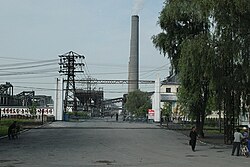
Today, Hungnam serves as a major industrial center. It is home to the Hungnam Fertilizer Complex, a facility that has faced allegations of being used for the manufacture of chemical weapons. Additionally, the district hosts the Hungnam Chemical Engineering College, supporting the region's technical expertise.
Another significant facility is the February 8 Vinylon Factory Complex. Vinylon is a synthetic fiber, but the complex has allegedly been used to produce UDMH (Unsymmetrical Dimethylhydrazine), a fuel used in liquid-fueled rockets and missiles.
Transport and Administration
The district is integrated into the national transport network via Hungnam Station, which sits on the Pyongra Line railway. Administratively, the area is organized into a complex structure consisting of 43 tong, one workers' district (rodongjagu), and five villages (ri).
| Category | Details |
|---|---|
| Administrative Status | District (kuyok) of Hamhung |
| Estimated Population | 200,000 to 700,000 (disputed) |
| Major Industries | Fertilizer, Vinylon, Chemical Engineering |
| Key Railway Line | Pyongra Line |
| Administrative Units | 43 tong, 1 rodongjagu, 5 ri |
Frequently Asked Questions
What was the significance of the SS Meredith Victory?
The SS Meredith Victory holds the record for the largest evacuation from land by a single ship, carrying 14,000 refugees during the Hungnam evacuation of 1950.
What is the relationship between Hungnam and Hamhung?
Hungnam was previously an independent city (Hungnam-si), but in late 2005, it was demoted to a district (Hungnam-kuyok) within the city of Hamhung.
What industrial products are associated with Hungnam?
The city is known for fertilizer production and the manufacture of vinylon. There are also allegations regarding the production of chemical weapons and UDMH rocket fuel.
How many people live in Hungnam?
Population figures are disputed; estimates vary between 200,000 and 450,000, while the official North Korean figure is 700,000.
Which railway line serves the city?
Hungnam is served by the Pyongra Line railway via Hungnam Station.