Hugo Chávez: The Life and Legacy of Venezuela's 52nd President
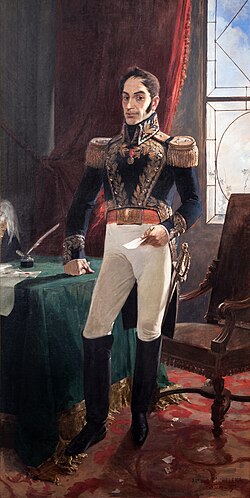
Hugo Rafael Chávez Frías was a transformative and polarizing figure who served as the 52nd President of Venezuela from 1999 until his death in 2013. Rising from a military background to become the face of a socialist movement, Chávez reshaped the political, social, and economic landscape of his nation through a philosophy known as Bolivarianism, inspired by the 19th-century liberator Simón Bolívar.
Key Facts
- Full Name: Hugo Rafael Chávez Frías
- Presidency: 1999–2013
- Political Party: United Socialist Party of Venezuela (PSUV)
- Military Rank: Lieutenant Colonel
- Core Ideology: Bolivarianism, Marxism, and Socialism
- Death: March 5, 2013, due to cancer
Early Life and Military Ascent
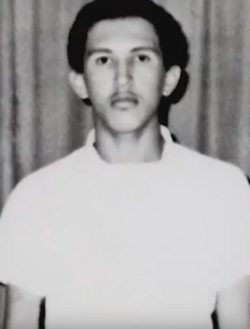
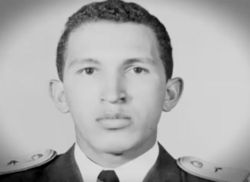
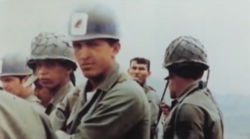
Born on July 28, 1954, in Sabaneta, Barinas, Chávez's early years laid the groundwork for his later political convictions. He pursued a military education at the Military Academy of Venezuela, eventually serving in the Venezuelan Army from 1971 to 1992.
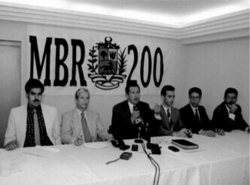
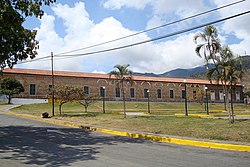
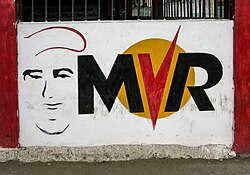
During his military career, Chávez became involved in clandestine political activities, forming the Revolutionary Bolivarian Movement-200 (MBR-200) in 1982. This group sought to overthrow the existing government to implement radical social changes. This ambition culminated in a failed coup attempt in 1992, which led to his imprisonment in the San Carlos military stockade.
The Rise to Political Power
Despite the failure of the 1992 coup, Chávez emerged as a national figure. He transitioned from military insurgent to political candidate, winning the 1998 presidential election. He was sworn in on February 2, 1999, marking the end of the Republic of Venezuela and the establishment of the Bolivarian Republic of Venezuela.
His first term was defined by a massive constitutional reform, which allowed for the dissolution of the old government structures and the creation of a new Constituent Assembly.
Presidency and Domestic Policy (1999–2013)
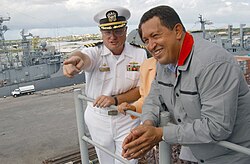
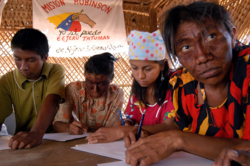
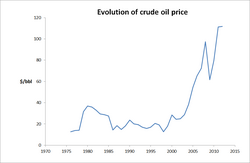
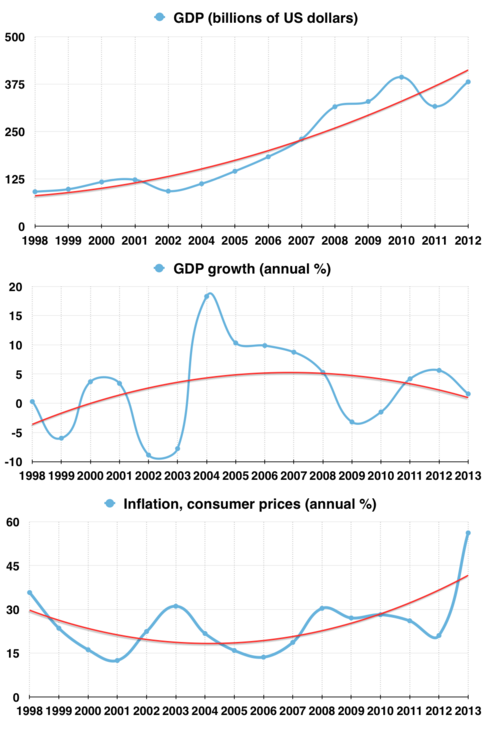
Chávez's presidency was characterized by a shift toward socialism and a fierce opposition to neoliberalism and capitalism. He utilized Venezuela's vast oil wealth to fund extensive social programs, known as "missions," aimed at eliminating illiteracy and improving healthcare for the poor.
Economic and Social Shifts
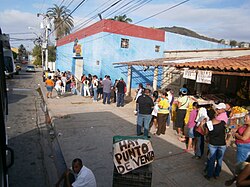
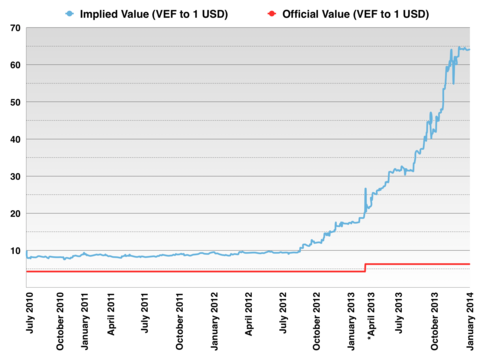
To redistribute wealth, Chávez implemented currency controls and established government-run stores, such as MERCAL, to provide affordable food. However, these policies were often met with criticism regarding their efficiency and sustainability.
Political Consolidation and Opposition
Chávez's tenure was not without conflict. He faced significant opposition from the Coordinadora Democrática, leading to a period of strikes, a brief coup in 2002 (where he was ousted for 47 hours), and a recall referendum. In 2007, he founded the United Socialist Party of Venezuela (PSUV) to consolidate his political base.
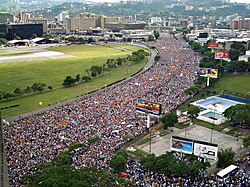
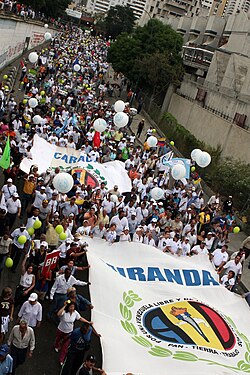
![Hundreds of thousands of Venezuelans during the 2007 Venezuelan protests demonstrating against Chávez's proposed constitutional referendum[152]](/images/3e/33/3e335d3f8284642a1279452d6aba06b36541c49cd9016ba77ddfd9f6e1d9a53d.jpg)

International Relations and Global Influence
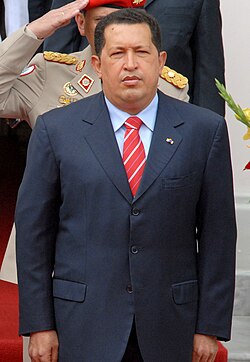
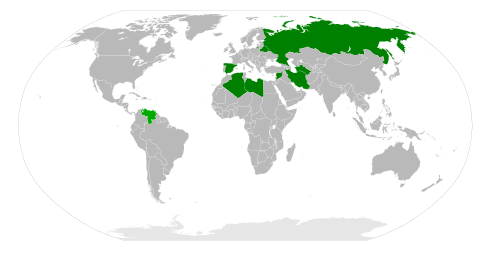
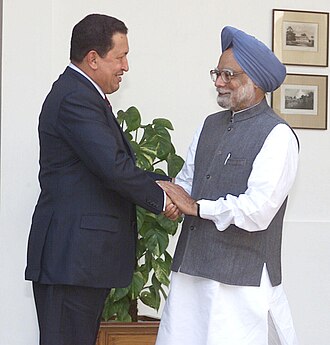
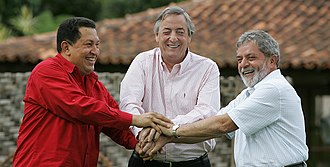
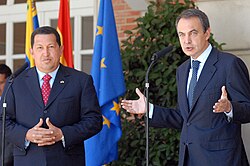
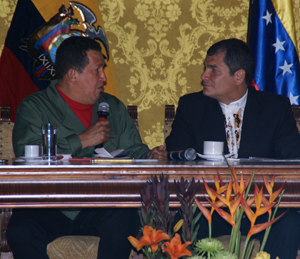
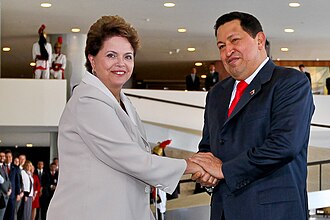
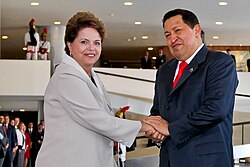
On the world stage, Chávez sought to create a multipolar world, reducing the influence of the United States in Latin America. He forged strong alliances with other leftist leaders, including Lula da Silva of Brazil and Evo Morales of Bolivia, and established strategic partnerships with nations such as Iran, Russia, and China.
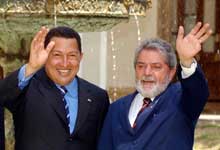
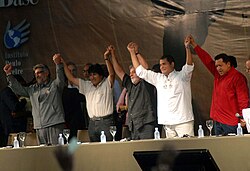
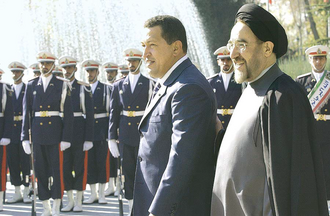
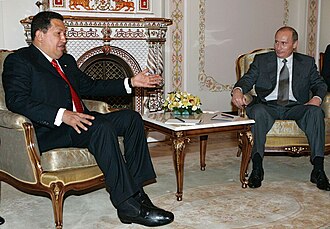
His foreign policy was marked by frequent international tours and a desire to integrate Latin American economies and political systems.
Challenges and Controversies
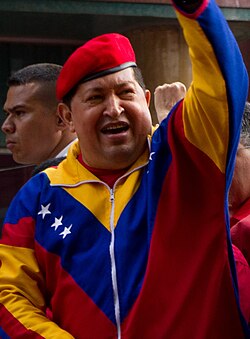
Critics of the Chávez administration pointed to a decline in democratic freedoms and an increase in corruption. Reports from organizations like Freedom House and Transparency International indicated a trend toward reduced political liberties and higher perceived corruption during his rule.
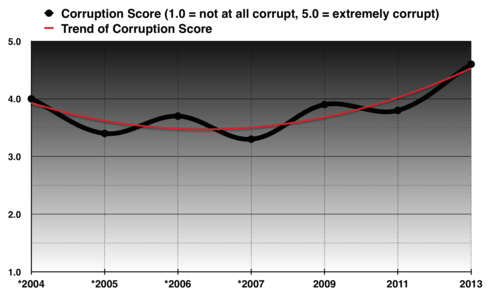
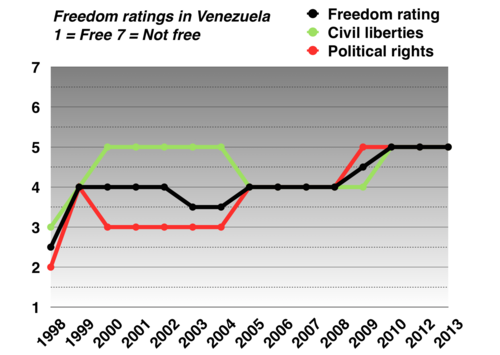
Additionally, the administration faced allegations regarding human rights violations, the closing of critical media outlets like RCTV, and the aiding of the FARC (Revolutionary Armed Forces of Colombia).
Final Years and Death
In 2011, Chávez was diagnosed with cancer. Despite undergoing surgery and seeking treatment, his health continued to decline. He was re-elected for a fourth term in October 2012 but was unable to be sworn in for the new term.
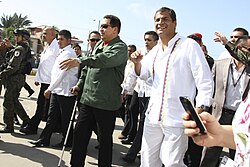
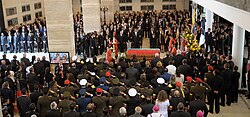
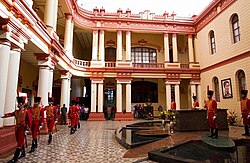
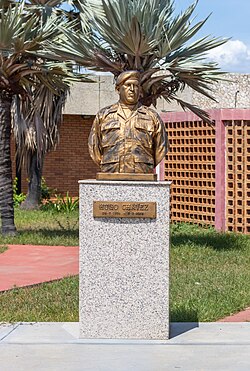
Hugo Chávez died on March 5, 2013, at the age of 58. His death sparked massive public mourning and the eventual succession of his Vice President, Nicolás Maduro.
| Term | Period | Key Focus/Events |
|---|---|---|
| First Term | 1999–2001 | Constitutional reform; Establishment of Bolivarian Republic |
| Second Term | 2001–2007 | Opposition strikes; 2002 coup attempt; Recall referendum |
| Third Term | 2007–2013 | Founding of PSUV; Shift toward "21st Century Socialism" |
| Fourth Term | 2013 | Election victory followed by death in office |
Frequently Asked Questions
![Murder rate (1 murder per 100,000 citizens) from 1998 to 2018 Sources: OVV,[329][330] PROVEA,[331][332] UN[331][332][333] * UN line between 2007 and 2012 is simulated because of missing data.](/images/97/72/977256ad353ff5c4a60f655941e03876b7ac439346facc24a23777275f17e157.png)
![Number of kidnappings in Venezuela 1989–2011Source: CICPC[334][335]* Express kidnappings may not be included in data.](/images/bd/eb/bdebdb8fd4d0ad300671a8a2b6e331251304363b14d7ce2506947ccd1e0db723.png)
What was the MBR-200?
The Revolutionary Bolivarian Movement-200 was a clandestine military organization founded by Hugo Chávez in 1982, which aimed to overthrow the Venezuelan government to implement social and political changes based on Bolivarian ideals.
What is Bolivarianism?
Bolivarianism is a political ideology based on the ideas of Simón Bolívar, emphasizing Latin American integration, social justice, and national sovereignty, which Chávez adapted into a socialist framework.
How did Chávez fund his social missions?
Chávez utilized the revenue generated from Venezuela's massive crude oil exports to fund social programs aimed at reducing poverty, illiteracy, and improving healthcare.
Who succeeded Hugo Chávez as President?
Following the death of Hugo Chávez in March 2013, he was succeeded by his Vice President, Nicolás Maduro.
What was the significance of the 1992 coup attempt?
Although the coup failed and led to Chávez's imprisonment, it brought him national attention and provided the platform for his transition into a political leader, eventually leading to his 1998 election victory.