Huarpe People: The Indigenous Legacy of Argentina's Cuyo Region
The Huarpes (also known as Warpes) are an Indigenous people native to the Cuyo region of Argentina. Known for their resilience and adaptation to arid environments, they established a distinct cultural identity long before the arrival of Europeans. Their history is a testament to the complex interactions between early South American civilizations, blending local traditions with external influences from the Incan Empire.
The etymology of their name and region remains a subject of scholarly interest. Some researchers suggest that in the Huarpe language, the word refers to "sandy ground." Alternatively, according to the 1765 work Arte y Vocabulario de la lengua general del Reino de Chile by Andrés Febrés, the term "Cuyo" originates from the Araucanian phrase cuyum puulli, which translates to "sandy land" or "desert country."
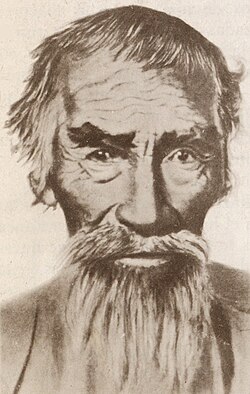
Key Facts
- Region: Primarily located in the Cuyo region of Argentina.
- Population: Approximately 34,279 (based on 2010 census data).
- Languages: Spanish (current); formerly Huarpe and Quechua.
- Economy: Historically agrarian, focusing on corn, beans, squash, and quinoa.
- Religion: Traditional tribal beliefs.
History and Settlement
The Huarpe people began establishing permanent villages around the 5th century CE. These settlements were relatively small, typically housing between 50 and 100 residents, which made them smaller than the contemporary Diaguita settlements.
Territorial Expansion and Geography
By the 15th century, the Huarpe territory had expanded significantly. Their influence stretched across the modern Argentinian provinces of San Luis, Mendoza, and San Juan, reaching as far north as the Neuquen Province. Geographically, their lands were bounded by the Jáchal River to the north and the Diamante River to the south, extending from the Andes mountains to the Conlara Valley in San Luis.
Incan Influence and Cultural Shift
While the Huarpes were never fully integrated into the Incan Empire, they were deeply influenced by Inca culture. After 1480, this interaction led to the adoption of the Quechua language and the introduction of llama ranching, which supplemented their existing agrarian lifestyle.
Society and Economy
The Huarpes were primarily an agrarian society. They mastered the cultivation of several key crops essential for survival in the sandy terrain of Cuyo, including:
- Corn (Zea mays)
- Beans
- Squash
- Quinoa (Chenopodium quinoa)
During the colonial period, the social structure shifted under Spanish rule. Chilean encomenderos—Spanish settlers granted encomiendas (a system of forced labor and tribute)—introduced Huarpe individuals to Chile, where they were often hired out to other Spaniards who did not possess their own encomiendas.
| Category | Details |
|---|---|
| Ethnicity | Milkayak Huarpe |
| Primary Region | Cuyo, Argentina |
| Historical Crops | Corn, Beans, Squash, Quinoa |
| External Influences | Incan Empire (Post-1480) |
| Modern Language | Spanish |
Frequently Asked Questions
Where did the Huarpe people originally live?
The Huarpe people lived in the Cuyo region of Argentina, specifically within the modern provinces of Mendoza, San Juan, and San Luis, and the northern part of Neuquen Province.
What was the primary diet of the Huarpe people?
They were an agrarian society that grew corn, beans, squash, and quinoa. Later, under Incan influence, they also incorporated llama ranching into their economy.
Did the Huarpes speak any language other than Huarpe?
Yes. Following Incan influence after 1480, they adopted the Quechua language. In modern times, Spanish is the primary language spoken by the population.
How did the Huarpe settlements differ from other groups like the Diaguita?
Huarpe villages were generally smaller, typically consisting of 50 to 100 people, whereas Diaguita settlements were larger.
What does the word "Cuyo" mean?
According to Andrés Febrés in 1765, "Cuyo" comes from the Araucanian term cuyum puulli, meaning "sandy land" or "desert country." Some scholars also link the Huarpe word for their own identity to "sandy ground."