Highlands and Islands Enterprise: Driving Economic Growth in Northern Scotland
Highlands and Islands Enterprise (HIE), known in Scottish Gaelic as Iomairt na Gàidhealtachd 's nan Eilean, serves as the primary development agency for the Highlands and Islands of Scotland. As an executive non-departmental public body of the Scottish Government, HIE is tasked with building a prosperous, sustainable, and inclusive economy. Its core mission is to attract investment and encourage more people to live, work, study, and visit the region.
Key Facts
- Established: Formed in 1965 as the HIDB; reformed as HIE in 1991.
- Headquarters: An Lòchran, 10 Inverness Campus, Inverness.
- Leadership: Alistair Dodds (Chair) and Stuart Black (Chief Executive).
- Core Purpose: To deliver the Scottish Government's Economic Strategy for sustainable growth.
- Network: Operates 13 offices, including 10 Area Offices across the region.
Evolution and History
The origins of HIE date back to November 1, 1965, with the launch of the Highland and Islands Development Board (HIDB). Initially chaired by Professor Robert Grieve and later by Sir Andrew Gilchrist (1970–1976), the HIDB focused on distributing government grants for cultural and economic development, including the creation of community co-operatives.
In 1991, the HIDB was replaced by Highlands and Islands Enterprise, which integrated responsibilities from the Training Agency. Under the leadership of Iain Robertson, the organization adopted a decentralized model, devolving budget control and decision-making to 10 Local Enterprise Companies (LECs), each led by its own CEO.
The agency underwent further refinement in 1993, reducing its divisions from seven to five. In 2008, a significant restructure shifted national training programs and careers advice to Skills Development Scotland. More recently, HIE has supported diverse industrial projects, such as providing funding for the construction of the Harris distillery in 2014.
Geographic Jurisdiction
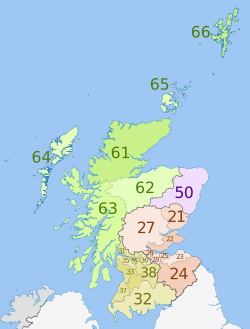
The agency's remit has expanded significantly since its inception. Originally covering the crofting counties—Shetland, Orkney, Caithness, Sutherland, Ross-shire, Inverness-shire, and Argyll—the area grew in 1975 to include Arran, Bute, and other parts of the Highland council area. Further expansions occurred in 1979 to include the Clyde islands of Great and Little Cumbrae, and in 1986 to include Moray.
Today, HIE's jurisdiction is divided into several key areas:
- Argyll and the Islands: Includes Argyll and Bute (excluding Helensburgh and Lomond), Arran, and the Cumbraes in North Ayrshire.
- Highland: Encompassing Caithness, Sutherland, Moray, and the Inner Moray Firth (including Inverness).
- Western Regions: Lochaber, Skye, and Wester Ross.
- Island Groups: Shetland, Orkney, and the Outer Hebrides.
Strategic Objectives and Operations
HIE aligns its operations with the Scottish Government Economic Strategy and the Scottish Economic Recovery Plan. The overarching goal is to ensure all parts of the region flourish by making Scotland wealthier, fairer, smarter, healthier, safer, stronger, and greener.
While Skills Development Scotland leads national training, HIE remains deeply invested in regional workforce development. A notable achievement in this area was HIE's role in creating learning infrastructure and assisting the UHI Millennium Institute in its transition to the University of the Highlands and Islands. HIE is now physically located on the university's campus at An Lochrann.
To support international trade, HIE collaborates with Scottish Enterprise (serving central and eastern Scotland) and South of Scotland Enterprise (serving the south). Together, these three agencies operate Scottish Development International to help Scottish companies expand their exports.
| Feature | Details |
|---|---|
| Legal Status | Executive non-departmental public body |
| Primary Goal | Sustainable and inclusive economic growth |
| Key Partners | Scottish Enterprise, South of Scotland Enterprise |
| Regional Reach | Highlands, Islands, and Moray |
| Strategic Alignment | Scottish Government Economic Strategy |
Frequently Asked Questions
What is the difference between HIDB and HIE?
The Highland and Islands Development Board (HIDB) was the original agency formed in 1965. In 1991, it was reformed as Highlands and Islands Enterprise (HIE), which integrated training agency responsibilities and adopted a more decentralized management structure.
Which areas of Scotland does HIE cover?
HIE covers the Highlands and Islands, including Shetland, Orkney, the Outer Hebrides, Moray, and various regions of the Highland council area and Argyll and Bute (excluding Helensburgh and Lomond).
How does HIE support education and skills?
HIE supports workforce development and was instrumental in the creation of the University of the Highlands and Islands. While Skills Development Scotland handles national training, HIE focuses on regional learning infrastructure.
What is Scottish Development International?
Scottish Development International is a joint operation between HIE, Scottish Enterprise, and South of Scotland Enterprise designed to help Scottish businesses grow their export markets.
Where is HIE headquartered?
HIE is headquartered at An Lòchran, located within the Inverness Campus in Inverness.