Highlands and Islands Electoral Region
The Highlands and Islands is a key electoral region of the Scottish Parliament, established in 1999 to ensure the diverse needs of northern and western Scotland are represented. Covering a vast geographical area, the region encompasses several council areas, including Highland, Orkney Islands, Shetland Islands, Na h-Eileanan Siar, and parts of Argyll and Bute and Moray.
As of 2022, the electorate for this region stands at 359,306 voters. The region utilizes a proportional representation system, electing both constituency MSPs (Members of the Scottish Parliament) and regional list MSPs to ensure a balanced political voice.
Key Facts
- Established: 1999
- Electorate: 359,306 (2022)
- Current MSP Composition: SNP (5), Liberal Democrats (4), Reform (2), Scottish Greens (2), Conservative (1), Labour (1)
- Council Areas: Highland, Na h-Eileanan Siar, Orkney Islands, Shetland Islands, and parts of Argyll and Bute and Moray.
Constituency Structure and Evolution
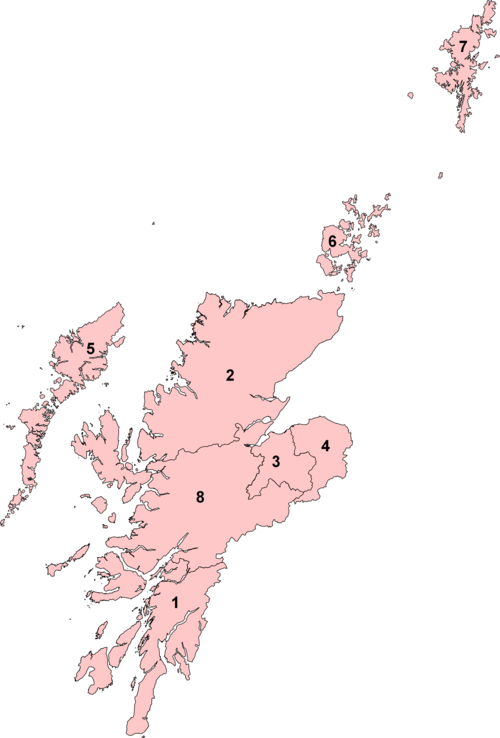
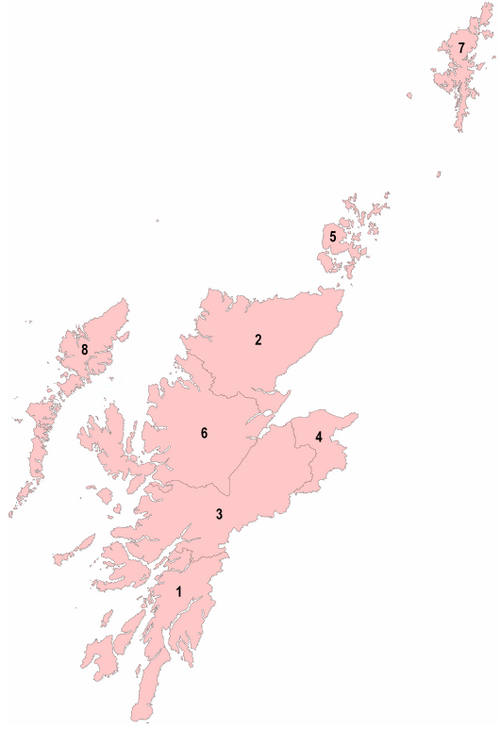
The region is divided into several constituencies. While the boundaries have evolved over time, the 2026 structure maintains a focus on the distinct geographical identities of the north and the islands.
Constituencies from 2026
- Argyll and Bute
- Caithness, Sutherland and Ross
- Inverness and Nairn
- Moray
- Na h-Eileanan an Iar
- Orkney Islands
- Shetland Islands
- Skye, Lochaber and Badenoch
Election Results and Political Trends
Since its inception, the Highlands and Islands region has seen a shift in political dominance. In the early years, the Liberal Democrats held significant influence, particularly in the island constituencies. However, the Scottish National Party (SNP) grew substantially in subsequent elections.
The 2026 election results showed a diverse split. While the SNP held seats in Inverness and Nairn and Moray, the Liberal Democrats made gains in Caithness, Sutherland and Ross, as well as Skye, Lochaber and Badenoch. Labour also secured a gain in Na h-Eileanan an Iar.
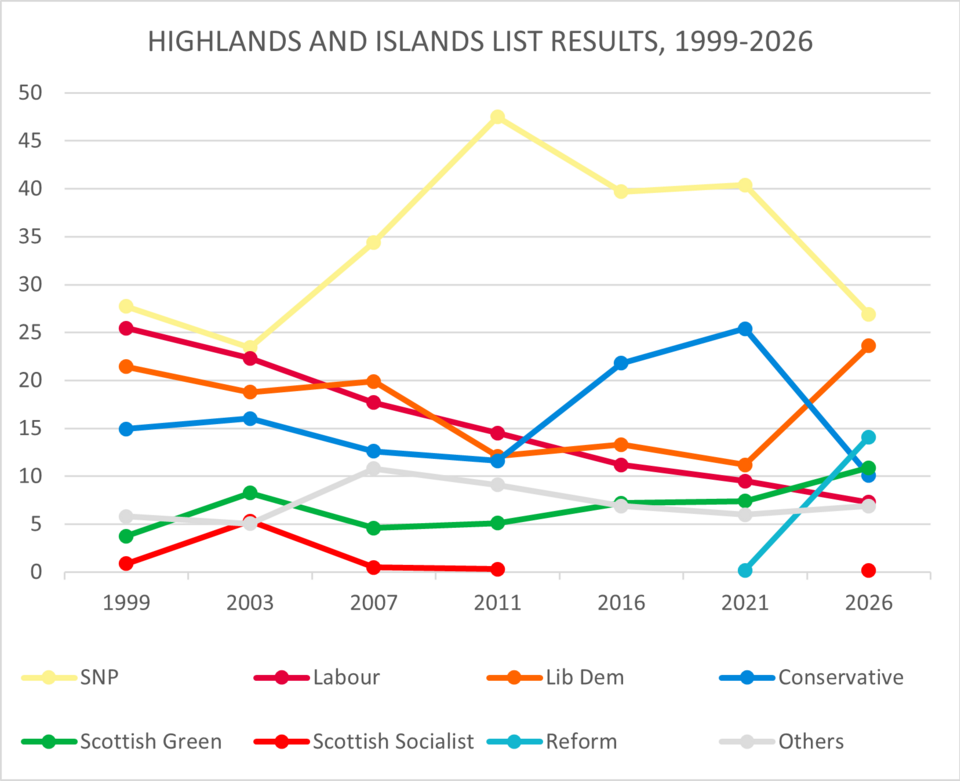
Summary of Recent Election Outcomes
| Election Year | Leading Party (List) | List Vote % (Top Party) | Notable Shifts |
|---|---|---|---|
| 2016 | SNP | 39.7% | Conservative growth (+10.1%) |
| 2021 | SNP | 40.4% | Conservative strong second (25.4%) |
| 2026 | SNP | 26.9% | Rise of Reform (14.1%) |
Frequently Asked Questions
How many MSPs represent the Highlands and Islands?
The region is represented by a combination of constituency MSPs and regional list MSPs. Following the 2026 election, the representation includes 5 SNP, 4 Liberal Democrat, 2 Reform, 2 Green, 1 Conservative, and 1 Labour MSP.
Which council areas are included in this region?
The region includes the Highland council area, Na h-Eileanan Siar, the Orkney Islands, and the Shetland Islands, as well as parts of Moray and Argyll and Bute.
What is the difference between a constituency MSP and a regional list MSP?
A constituency MSP is elected directly by voters in a specific local area. A regional list MSP is elected based on the overall party vote across the entire Highlands and Islands region to ensure proportional representation.
Which party has historically been strongest in the islands?
The Liberal Democrats have historically maintained a strong presence in the Orkney and Shetland Islands, though the SNP has also made significant gains in these areas in recent years.
When was the Highlands and Islands electoral region created?
The region was created in 1999, coinciding with the establishment of the Scottish Parliament.