Herpetology: The Science of Amphibians and Reptiles
Herpetology is a specialized branch of zoology dedicated to the study of ectothermic tetrapods—animals that rely on external environmental sources to regulate their body temperature and possess four limbs. This scientific field encompasses two primary groups: amphibians and reptiles. While birds are cladistically classified within the group Reptilia, they are traditionally excluded from herpetology and are instead the focus of ornithology.
The term "herps" (or herpetofauna) is commonly used to describe these animals. Although fish are also ectothermic, they are studied under ichthyology. Despite this distinction, the two fields frequently overlap; for example, the American Society of Ichthyologists and Herpetologists often collaborates through joint conferences and co-published journals to share critical biological insights.
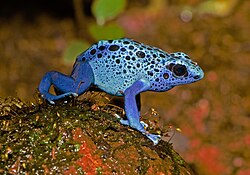
Key Facts
- Scope: Covers over 6,700 species of amphibians and over 9,000 species of reptiles.
- Etymology: Derived from the Ancient Greek herpetón ("creeping animal") and lógos ("study").
- Medical Utility: Certain snake venoms are used to develop anti-coagulants for treating heart attacks and strokes.
- Ecological Role: Amphibians serve as vital environmental indicators due to their sensitivity to climate change.
- Academic Path: Most professionals major in biological sciences rather than a specific herpetology degree.
The Scope of Herpetological Study
Herpetology is a broad field that ranges from the captive care and breeding of animals (known as herpetoculture) to complex academic research. Because of the immense biodiversity of these animals, the field is often divided into more specific taxonomic subfields:
- Batrachology: The study of frogs and other amphibians.
- Ophiology (or Ophidiology): The study of snakes.
- Saurology: The study of lizards.
- Cheloniology (or Chelonology/Testudinology): The study of turtles.
Research and Application
Modern herpetologists rarely limit themselves to taxonomy. Instead, they apply lenses of ecology, evolution, physiology, behavior, or molecular biology to their subjects. For instance, researchers may use frogs as model organisms to understand wetland ecology or study the evolution of viviparity (the giving birth to live young) in squamate reptiles.
Beyond theoretical science, herpetology provides tangible benefits to human health and environmental conservation. By monitoring amphibian populations, scientists can detect early warning signs of significant climate shifts. Additionally, the study of toxins and venoms has led to breakthroughs in medicine, specifically in the creation of life-saving anti-coagulants.
Careers and Education
Professional opportunities for those in this field are diverse, spanning lab research, field surveys, zoological and museum staffing, veterinary assistance, and university teaching. In contemporary academia, most experts identify primarily by their functional specialty (e.g., an evolutionary biologist) and use reptiles or amphibians as their primary research subjects.
Outside of academia, herpetology is a popular global hobby. Amateur enthusiasts, often called "herpers," engage in the observation and study of these animals in the wild. The field has also been popularized by figures such as Steve Irwin, Jeff Corwin, and Austin Stevens.
Educational Pathways
Since few universities offer a specific undergraduate or graduate major in herpetology, aspiring herpetologists typically pursue a degree in biological sciences. This provides a foundational understanding of animal biology, which is then applied to the specialized study of herpetofauna.
Summary of Herpetological Classifications
| Group | Examples | Specialized Study Name |
|---|---|---|
| Amphibians | Frogs, Salamanders, Caecilians | Batrachology |
| Snakes | Vipers, Pythons, Cobras | Ophiology |
| Lizards | Geckos, Iguanas, Monitors | Saurology |
| Turtles | Sea Turtles, Tortoises | Cheloniology |
Frequently Asked Questions
Are birds considered part of herpetology?
No. While birds are cladistically included within Reptilia, they are traditionally excluded from herpetology and are studied under the separate field of ornithology.
What is the difference between a herpetologist and a herper?
A herpetologist is typically a professional scientist trained in the biological sciences, whereas a "herper" is an amateur enthusiast or hobbyist who enjoys finding and observing reptiles and amphibians.
How does herpetology contribute to human medicine?
Herpetologists study the venoms and toxins produced by reptiles and amphibians. Some snake venoms, for example, have been instrumental in developing anti-coagulant medications used to treat strokes and heart attacks.
Why are amphibians important for environmental monitoring?
Amphibians are highly sensitive to environmental changes. Because of this sensitivity, they act as biological indicators; changes in their population or health can signal broader climate or ecological shifts.
What journals publish herpetological research?
Key academic publications include Ichthyology & Herpetology (founded in 1913 as Copeia), Herpetologica, and Reptiles and Amphibians.