Herero and Nama Genocide: The Dark History of German South West Africa
Between 1904 and 1908, the territory of German South West Africa—modern-day Namibia—became the site of a systematic campaign of extermination. The Herero and Nama genocide saw the German Empire target the indigenous Herero and Nama peoples, resulting in a catastrophic loss of life and the near-total destruction of their societal structures.
This tragedy was not an isolated event but the culmination of decades of colonial tension, land seizure, and a "divide and rule" strategy employed by German administrators to maintain control over the region.
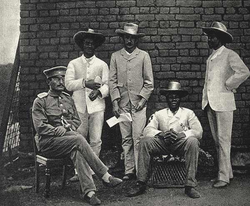
Key Facts
- Timeframe: 1904–1908.
- Location: German South West Africa (now Namibia).
- Casualties: 40,000 to 80,000 Herero (approx. 80% of their population) and 10,000 Nama (approx. 50% of their population).
- Primary Perpetrators: The German Empire, specifically the Schutztruppe (colonial protection force).
- Modern Resolution: Germany acknowledged the genocide in 2015 and agreed to a 1.1 billion euro development aid package in 2021.
The Roots of Conflict: German Colonization
Germany claimed Namibia in 1884 under Chancellor Otto von Bismarck to counter British expansion. Initially, German rule was nominal, but by the mid-1890s, settlers arrived in larger numbers. Governor Theodor Leutwein utilized a pragmatic but destructive strategy to erode the political independence of the indigenous peoples, forcing them into protection treaties that pitted tribes against one another.
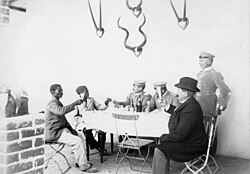
The Herero Uprising
By 1904, the Herero people reached a breaking point. Driven by a desire to reclaim their land, cattle, and independence, they launched an uprising on January 12, 1904. Taking advantage of a depleted German military presence, the rebels targeted farms and businesses, killing between 123 and 160 Germans. While they generally spared women, children, and non-German whites, the attacks were designed to destroy the economic viability of the colonists and force their permanent departure.
The Campaign of Extermination
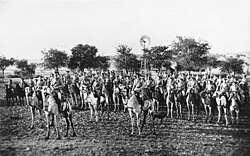
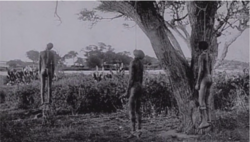
The German response was swift and brutal. Lieutenant General Lothar von Trotha, the Oberbefehlshaber (Supreme Commander), implemented a policy of total war. Following the decisive battle at Waterberg, the German forces drove the Herero into the desert.
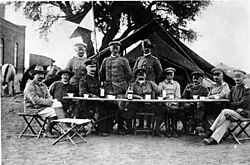
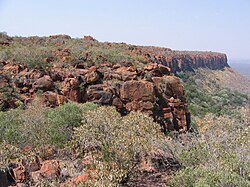
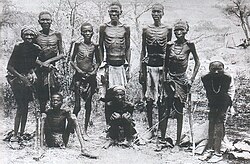
Trotha established a military cordon to prevent the Herero from returning to hospitable lands, effectively trapping them in the desert. Approximately 40,000 Herero died from dehydration and exhaustion during this phase.
The Nama Revolt
The Nama people initially allied with the Germans, but shifted their allegiance in September 1904 under Chief Hendrik Witbooi after witnessing the atrocities committed against the Herero. Trotha issued a second extermination order against the Nama on April 22, 1905. While some Nama were offered negotiated peace, many who surrendered were sent to concentration camps where the majority perished.
Concentration Camps and Forced Labor
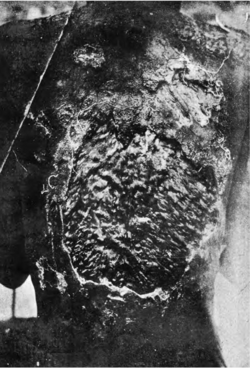
As the extermination orders were withdrawn, survivors were imprisoned in concentration camps as prisoners of war. These camps were characterized by extreme violence and poor treatment. Even after the camps were dismantled, the survivors were not freed; instead, they were dispersed to German farms and ranches to serve as forced labor.
![Der Wahre Jacob (1906): "Even if it hasn't brought in much profit and there are no better quality goods on offer, at least we can use it to set up a bone-grinding plant."[63]](/images/71/4b/714bf659cbfc7a578dae5f773e64a3adc7fcd168006311c9c4c7e13bc19973bd.jpg)
Summary of the Genocide
| Group | Estimated Deaths | Percentage of Population Lost | Primary Cause of Death |
|---|---|---|---|
| Herero | 40,000 – 80,000 | ~80% | Combat, Dehydration, Concentration Camps |
| Nama | 10,000 | ~50% | Combat, Concentration Camps |
Aftermath and Memory
The genocide left the Herero and Nama peoples shattered, having lost their leaders, livestock, and ancestral lands. In the following decades, the events were documented in the British "Blue Book" (1918), which detailed the atrocities, though it was later suppressed during a period of diplomatic rapprochement between Britain and Germany.
![The Rider Statue in Windhoek was erected in honor of German perpetrators, but due to controversy, it has been moved multiple times and dethroned.[123]](/images/f5/00/f500cc4d0aecbdbbf166222fd24f691d6723d54b7a9fa71a8e713659623bd7cc.jpg)
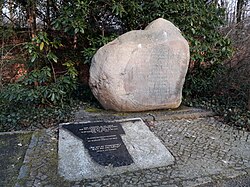
In 2015, Germany officially acknowledged the genocide. In 2021, a deal was reached for Germany to provide 1.1 billion euros in development aid to Namibia. However, this remains controversial as Germany rejected legal responsibility for the genocide, framing the payment as ex gratia (voluntary) aid.
Frequently Asked Questions
What was the primary cause of the Herero uprising?
The uprising was a desperate attempt by the Herero to reclaim their land and cattle, regain political independence, and seek revenge for colonial violence and sexual abuse committed by settlers.
Who was Lothar von Trotha?
Lieutenant General Lothar von Trotha was the Supreme Commander of the German protection force (Schutztruppe) who implemented the extermination policies and drove the Herero into the desert.
How did the Nama people's role change during the conflict?
The Nama initially fought alongside the Germans against the Herero. However, they revolted in September 1904 after witnessing the brutality of the German campaign and fearing their own disarmament.
What happened to the survivors of the concentration camps?
Survivors were not granted freedom; they were instead forced into labor on German-owned farms and ranches across the colony.
Has Germany paid reparations for the genocide?
Germany has agreed to provide 1.1 billion euros in development aid to Namibia as of 2021. However, they have explicitly rejected legal responsibility, meaning the funds are not legally classified as reparations.