Hebrew: The Journey from Biblical Roots to Modern Revival
Hebrew, known natively as Ivrit, is a language of profound historical and cultural significance. As a member of the Afro-Asiatic family and the Northwest Semitic branch, it has evolved from the ancient tongue of the Southern Levant into a vibrant, modern official language. Its trajectory is unique in linguistics, representing one of the few successful instances of a language being revived as a spoken native tongue after centuries of primarily liturgical use.
From the archaic inscriptions of the biblical era to the digital keyboards of the 21st century, Hebrew has served as a cornerstone of identity for Jews and Samaritans worldwide.
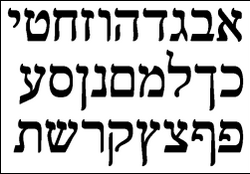
Key Facts

- Language Family: Afro-Asiatic > Semitic > Northwest Semitic > Canaanite.
- Current Status: Official language of Israel; recognized minority language in Poland, South Africa, Turkey, and Ukraine.
- Speaker Population: Approximately 9 million speakers (2018), including 5 million native speakers.
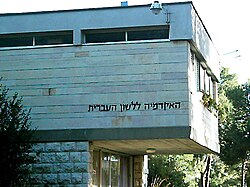
- Regulating Body: The Academy of the Hebrew Language.
- Unique Achievement: Cited as a primary example of successful language revival in the late 19th century.
The Evolution of the Hebrew Script
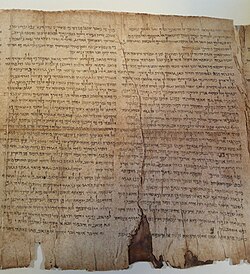
The writing system of Hebrew has undergone several transformations. The earliest form, Paleo-Hebrew, was used in archaic biblical times. Over time, the script shifted toward the Imperial Aramaic script, which evolved into the square Hebrew alphabet used today for Torah scrolls and modern printing.
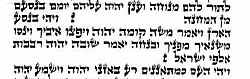
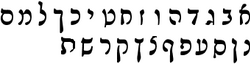
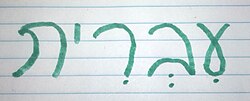
Different scripts emerged for specific purposes. For example, the Rashi script was developed for commentaries, while the Samaritan script remains distinct for Samaritan Biblical Hebrew. Modern Hebrew utilizes the standard Hebrew alphabet, often adapted for digital use on dual-language keyboards.

Historical Stages of the Language
Biblical and Classical Hebrew
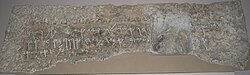
Biblical Hebrew is the oldest form of the language, preserved in the Hebrew Bible. Early inscriptions, such as the Shebna Inscription from the 7th century BCE, provide archaeological evidence of its early usage. During the Persian period, Hebrew experienced a shift as Aramaic became more dominant for administrative and daily use, though Hebrew remained the language of scripture and liturgy.
Medieval and Liturgical Hebrew
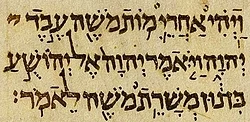
Throughout the Middle Ages, Hebrew continued to function as a written language for philosophy, law, and poetry. The Aleppo Codex from the 10th century is a prime example of the Masoretic pointing system, which added vowel signs to ensure the precise pronunciation of the biblical text.
The Modern Revival
The transition of Hebrew from a liturgical language to a spoken one began with the Haskalah (Jewish Enlightenment) movement. In 1783, the first secular Hebrew periodical, Ha-Me'assef, was published in Königsberg. By the mid-19th century, newspapers like Hamagid further popularized the language.
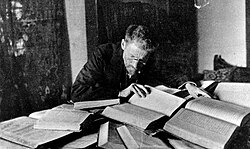
The most pivotal figure in this revival was Eliezer Ben-Yehuda, who worked tirelessly to modernize the lexicon. To make Hebrew viable for daily life, neologisms were created by adapting old Hebrew roots or borrowing from Arabic, Latin, and European languages such as English, Russian, German, and French.
Modern Hebrew became an official language in British-ruled Palestine in 1921 and subsequently the official language of the State of Israel upon its declaration in 1948.
Current Status and Usage
Today, Hebrew is the most widely spoken language in Israel. Proficiency is high among the population: approximately 90% of Israeli Jews and 60% of Israeli Arabs are proficient in the language. While it is the native tongue for about 53% of the population, it serves as a vital lingua franca for immigrants from diverse backgrounds.
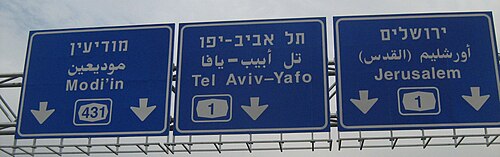
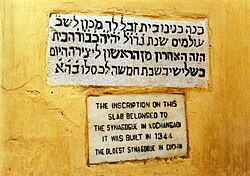
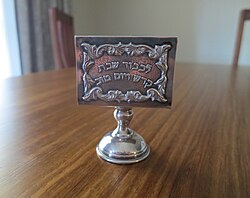
The language continues to be used globally in various contexts, from the historic Kochangadi Synagogue in India to modern jewelry and art.
Language Summary Table
| Category | Details |
|---|---|
| Language Family | Afro-Asiatic (Semitic) |
| Major Forms | Biblical, Mishnaic, Medieval, Modern |
| Writing Systems | Hebrew Alphabet, Paleo-Hebrew, Samaritan Script |
| Native Speakers | ~5 million |
| Official Status | Official in Israel |
| Regulating Body | Academy of the Hebrew Language |
Frequently Asked Questions
Is Hebrew a dead language?
No. While it ceased to be a primary spoken language for daily use for many centuries, it was successfully revived in the late 19th century and is now the primary spoken language of Israel.
Who was responsible for the revival of Modern Hebrew?
While the Haskalah movement laid the groundwork, Eliezer Ben-Yehuda is credited as a primary driver of the revival, focusing on lexical modernization and the creation of new words for modern concepts.
What is the difference between Biblical and Modern Hebrew?
Biblical Hebrew is the ancient form used in the scriptures. Modern Hebrew has a significantly larger vocabulary due to the addition of neologisms and loanwords, and it features differences in phonology, such as the partial elimination of the vocal Shva.
Which organization regulates the Hebrew language today?
The Academy of the Hebrew Language is the official body responsible for regulating the language and approving new words and spellings.
What are the different scripts used for Hebrew?
The most common is the square Hebrew alphabet. Other scripts include the ancient Paleo-Hebrew alphabet, the Samaritan script, and specialized scripts like Rashi script for commentaries.