Havana: The Vibrant Capital of Cuba
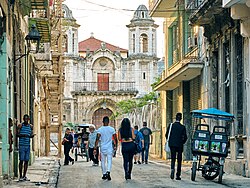
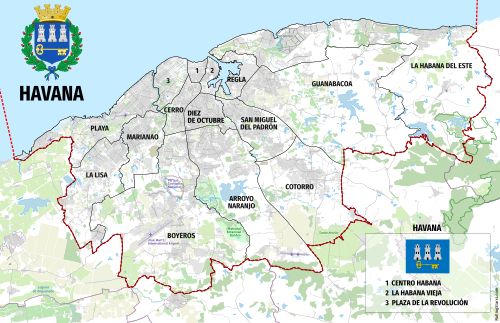
Havana (Spanish: La Habana) serves as the capital and largest city of Cuba. Positioned as the country's primary port and commercial hub, it is the most populous city and the largest by area in the Caribbean region. Known for its rich tapestry of history, culture, and striking architecture, Havana is a city where colonial grandeur meets modern resilience.
The city is a major global destination, attracting over a million international tourists annually. Its historical core, Old Havana, is recognized globally for its preservation and significance, having been designated a UNESCO World Heritage Site in 1982.
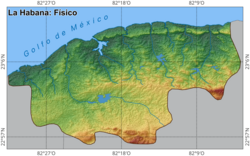
Key Facts
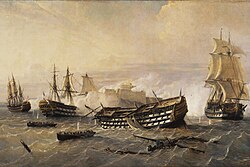
- Founded: 1514 (Relocated to current site on November 16, 1519).
- Population: Approximately 2,137,847 (2022), though official figures dropped to 1,749,964 by late 2024.
- UNESCO Status: Old Havana and its Fortification System (designated 1982).
- Economy: Nominal GDP of $21.4 billion (2023) with a per capita GDP of $9,900.
- Geography: Located in the Western region of Cuba with an elevation of 59 meters.
Historical Evolution
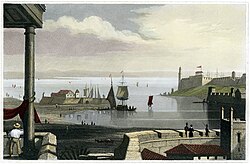
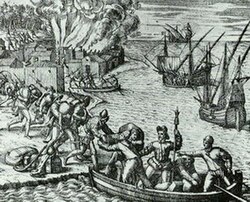
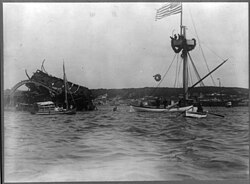
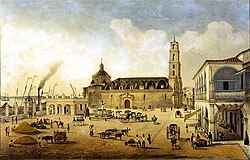
Havana's history is marked by its strategic importance in the Caribbean. Founded in the early 16th century, the city was relocated in 1519 to its current position to better serve as a maritime center. Throughout the 16th and 17th centuries, its wealth made it a target for attacks, including the looting and burning of the city by French pirate Jacques de Sores in 1555.
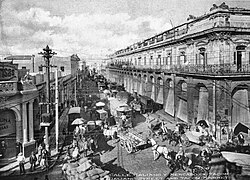
The 18th century saw the city further fortify its defenses, particularly during the Seven Years' War. By the 19th century, Havana became a focal point for the Cuban independence movement. The 20th century brought significant political shifts, transitioning from the Republican era to the post-revolution period, which fundamentally reshaped the city's administration and social structure.
![Havana in 1690, according to the Atlas Van der Hagen. British Library.[30]](/images/51/1d/511d3d8d5f71879985f235d2bb9c42e4a8340d248d4c032b2b18ec54d1658145.jpg)
Geography and Climate
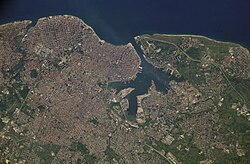
Havana experiences a tropical climate, characterized by warm temperatures and distinct rainy seasons. The city is situated at coordinates 23°08′12″N 82°21′32″W.
| Metric | January | April | July | October | Annual Average |
|---|---|---|---|---|---|
| Mean Max Temp (°C) | 25.8 | 28.6 | 31.3 | 29.2 | 28.8 |
| Mean Min Temp (°C) | 18.6 | 22.4 | 24.1 | 21.3 | 21.6 |
| Avg Rainfall (mm) | 64.4 | 53.7 | 105.6 | 180.5 | 1,189.2 |
| Sunshine Hours (Daily) | 7.0 | 9.1 | 8.8 | 6.3 | 7.8 |
Demographics and Society
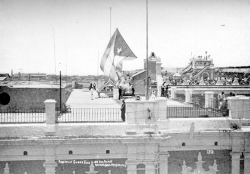
The population of Havana has seen significant fluctuations over the centuries. While it grew steadily from 70,000 in 1750 to over 2.1 million by the early 2000s, recent data indicates a decline to approximately 1.75 million by 2024.
The ethnic composition of the city is diverse, consisting of:
- White: 58.4% (predominantly of Spanish descent)
- Mestizo or Mulatto: 26.4%
- Black: 15.2%
- Asian: 0.2%
![Paseo del Prado, Havana in 1909[44]](/images/d4/44/d444a281c7a314bc6aee2817d125132a448b1c220e09dd3c939b9e99dac303e8.jpg)
Architecture and Urban Landmarks
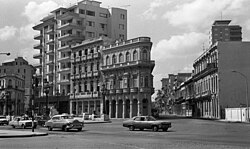
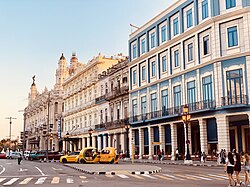
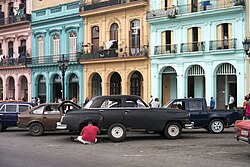
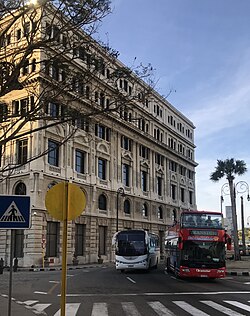
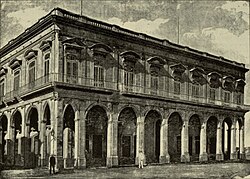
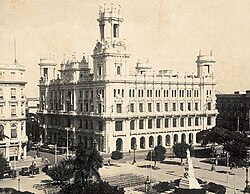
Havana is renowned for its eclectic architectural styles, ranging from Spanish Colonial and Neoclassical to Art Deco and Modernism. The city's skyline is defined by a mix of historic forts and mid-century skyscrapers.
Historic Fortifications and Religious Sites
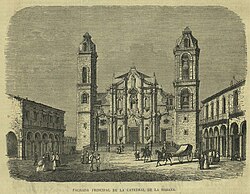
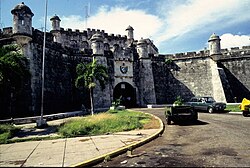
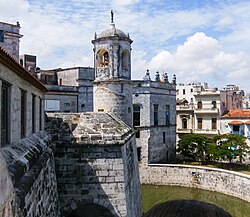
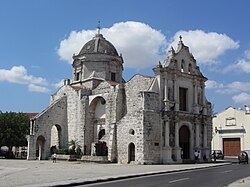
The city's defense system is a cornerstone of its heritage, featuring the Castillo de la Real Fuerza (1577) and the Castillo del Morro. Religious architecture is equally prominent, with the Havana Cathedral (built 1748–1777) and the Colonial Church Santo Cristo del Buen Viaje serving as key landmarks.
Modern and Civic Architecture
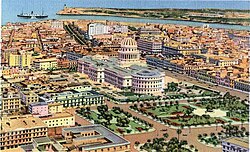
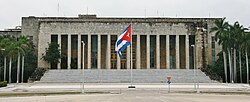
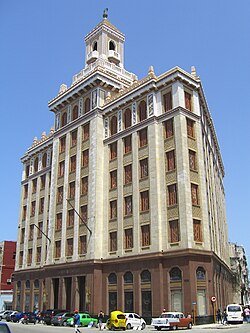
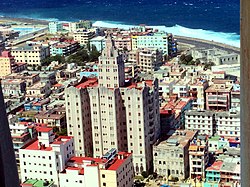
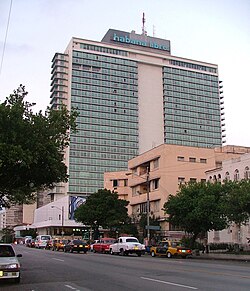
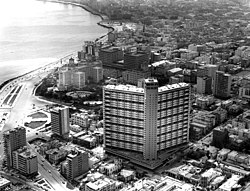
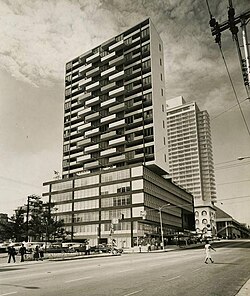
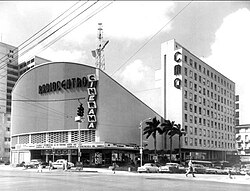
The 20th century introduced bold designs such as El Capitolio, the Bacardí Building, and the FOCSA building. The city also features the Hotel Habana Libre, located in the central corner of Vedado, and the Radiocentro CMQ Building.
Infrastructure and Culture
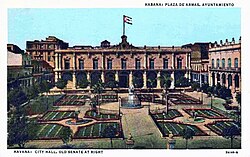
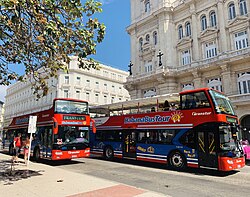
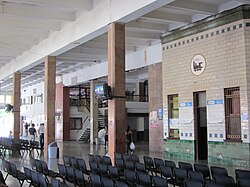
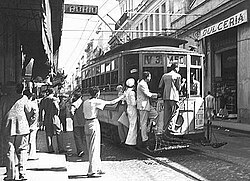
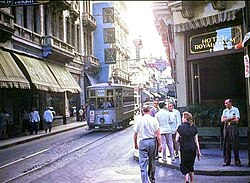
Havana's transport network includes a variety of roads, such as the Autopista Este-Oeste and the Havana ring road (Primer anillo). While the city once relied on an extensive tramway system, modern transport now centers on buses and highways.
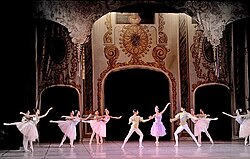
Culturally, the city is a hub for the performing arts, home to the Ballet Nacional de Cuba and the Gran Teatro de La Habana. It also hosts the prestigious Havana Film Festival, which continues to be a significant event for cinema in the region.
Frequently Asked Questions

When was Havana founded?
Havana was founded in 1514 and was later relocated to its current location on November 16, 1519.
What is the population of Havana?
As of 2022, the capital city population was 2,137,847, though official figures reported a decrease to 1,749,964 by the end of 2024.
Why is Old Havana a UNESCO World Heritage Site?
Old Havana and its Fortification System were designated as a Cultural World Heritage Site in 1982 due to their historical, architectural, and cultural significance.
What is the climate like in Havana?
Havana has a tropical climate with an annual average temperature of approximately 25.2°C and an average annual rainfall of 1,189.2 mm.
What are some of the most famous buildings in Havana?
Notable landmarks include El Capitolio, the Bacardí Building, the FOCSA building, and the Castillo de la Real Fuerza.