Habitat Destruction: Causes, Impacts, and the Global Biodiversity Crisis
Habitat destruction, also known as habitat loss, occurs when a natural environment is altered to the point that it can no longer support its native species. When these critical living spaces vanish, the organisms that rely on them are forced to migrate or face death. This process is not merely a local issue; it is the leading cause of species extinction and biodiversity loss on a global scale.
While some habitat changes occur naturally, human activity has accelerated the pace of destruction. From the expansion of cities to the industrialization of agriculture, the footprint of human development is reshaping the planet's ecosystems. Often, this process begins with habitat fragmentation—the breaking up of large, contiguous habitats into smaller, isolated patches—which further threatens the survival of endangered species.
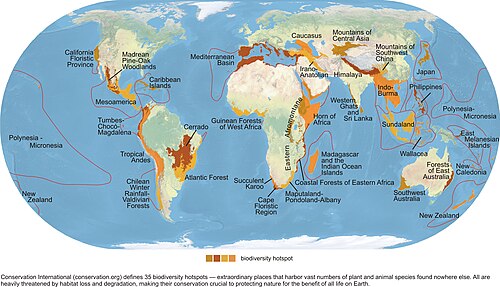
Key Facts
- Habitat destruction is the primary driver of worldwide biodiversity loss and species extinction.
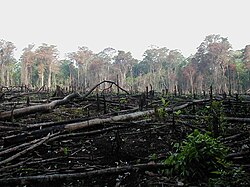
- Less than 9 million square kilometers of the original 16 million square kilometers of tropical rainforests remain.
- Approximately 1% of original tropical forest habitat is lost every year (160,000 sq km).
- Over 50% of U.S. wetlands and 60–70% of European wetlands have been destroyed.
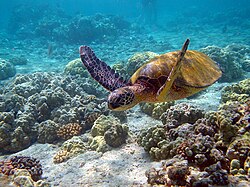
- One-fifth of the world's coral reefs have been destroyed, and another fifth are severely degraded.
Drivers of Habitat Destruction
Human Activities
The most immediate causes of habitat loss are tied to the consumption of natural resources and the growth of human populations. Key drivers include:
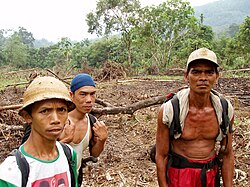
- Agriculture and Urbanization: The conversion of wild lands into farmland (urban sprawl) and industrial production zones.
- Resource Extraction: Mining and logging operations that strip the land of vegetation and soil.
- Industrial Fishing: Trawling practices that damage marine floor ecosystems.
![Satellite photograph of deforestation in Bolivia. Originally dry tropical forest, the land is being cleared for soybean cultivation.[5]](/images/86/26/8626eb4bb9204020581187269f39c69c9d206fd5dfa9f25870ab0081853e4921.jpg)
Environmental and Indirect Factors
Beyond direct physical removal, several indirect factors contribute to the degradation of habitats:
- Climate Change: Rising temperatures and shifting weather patterns destroy specialized habitats, such as the decline in Arctic sea ice volume and extent observed between 1979 and 2022.
- Biological Threats: The introduction of invasive species can outcompete native flora and fauna.
- Pollution: Water and noise pollution, along with ecosystem nutrient depletion, render habitats uninhabitable.
Impacts Across Different Ecosystems
Tropical Rainforests
Rainforests are among the most targeted ecosystems. With a current deforestation rate of 160,000 square kilometers per year, these biodiversity hotspots are disappearing rapidly to make room for agriculture and industry.
Wetlands and Marine Environments
Coastal and aquatic regions have suffered immense losses. In the United Kingdom, increased demand for tourism and coastal housing has led to a decline in marine habitats. Furthermore, 35% of global mangrove ecosystems have been destroyed. Coral reefs are similarly threatened; in the Philippines alone, 90% of coral reefs have been lost due to pollution, overfishing, and invasive species.
Drylands and Grasslands
While plains and deserts are often seen as more resilient, they are not immune. Between 10% and 20% of the world's drylands—including savannas and shrublands—have been degraded. A significant portion of this is due to desertification, where humans convert seasonally dry lands into permanent deserts. In North America, less than 3% of the original tallgrass prairies remain untouched by farmland.
![Forest in Grands-Jardins National Park 10 years after a forest fire occurred[17]](/images/19/4b/194b8c89e96665ec2c6cec189d6db99955bb8b0b1fb4d556931ca89affbe8b58.jpg)
The Consequences of Habitat Loss
Ecological and Human Impacts
The loss of natural buffers has direct consequences for human safety. For example, the draining of coastal wetlands in Louisiana reduced the natural protection of the Gulf Coast, contributing to the severe flooding seen in New Orleans after Hurricane Katrina in 2005.
![The draining and development of coastal wetlands that previously protected the Gulf Coast contributed to severe flooding in New Orleans, Louisiana, in the aftermath of Hurricane Katrina in 2005.[52]](/images/b1/7b/b17b0e4ce152e85669ad272191467291d1359bc7e282a4da928f7eafeca50978.jpg)
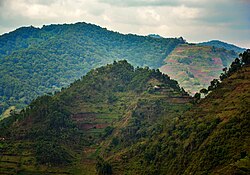
For wildlife, the result is a drastic reduction in carrying capacity and stability in species assemblages. However, some damage is not permanent. In certain regions, such as parts of Uganda, human-caused destruction may be reversible if further disturbances are halted and restoration efforts begin.
Restoration and Mitigation
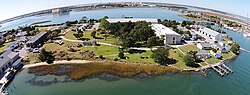
Efforts to combat habitat loss include the implementation of "living shorelines." In North Carolina, US, natural vegetation is used along coastlines to reduce erosion while simultaneously providing ecosystem benefits to both wildlife and human communities.
Summary of Habitat Loss by Ecosystem
| Ecosystem Type | Extent of Loss/Degradation | Primary Drivers |
|---|---|---|
| Tropical Rainforests | < 9 million sq km remaining (of 16m) | Agriculture, Logging |
| U.S. Wetlands | > 50% destroyed (last 200 years) | Development, Drainage |
| European Wetlands | 60% – 70% destroyed | Development, Drainage |
| Coral Reefs | 20% destroyed; 20% severely degraded | Overfishing, Pollution, Invasive Species |
| Mangroves | > 35% destroyed worldwide | Coastal Development |
| North American Prairies | < 3% natural habitat remaining | Farmland Conversion |
Frequently Asked Questions
What is the difference between habitat loss and habitat fragmentation?
Habitat loss refers to the complete disappearance of a natural habitat, making it unable to support native species. Habitat fragmentation is the process where a large habitat is broken into smaller, isolated patches, which can isolate populations and make them more vulnerable to extinction.
Which ecosystem is currently facing the most significant destruction?
Tropical rainforests have received the most attention due to their scale of loss; they are currently disappearing at a rate of approximately 1% of their original habitat per year, or 160,000 square kilometers annually.
How does climate change contribute to habitat destruction?
Climate change acts as an indirect driver by altering the physical environment. Examples include the reduction of Arctic sea ice volume and extent, as well as rising sea levels that cause coastal flooding and soil erosion.
Can destroyed habitats be recovered?
Yes, in some cases. Some human-caused habitat destruction is reversible if the disturbance is stopped and active restoration—such as planting native vegetation or protecting remaining patches—is implemented.
How does habitat loss affect human populations?
Habitat loss removes natural protections. For instance, the destruction of wetlands can lead to increased severity of flooding during natural disasters, as seen during Hurricane Katrina in New Orleans.