Global Wine Regions: A Comprehensive Map of Viticulture by Country
The art of winemaking is inextricably linked to geography. From the sun-drenched slopes of the Mediterranean to the cool valleys of the Southern Hemisphere, the specific environment—known as terroir—defines the character of the grape. Across the globe, countries have established complex systems to categorize these areas, ensuring quality and authenticity through regional designations.
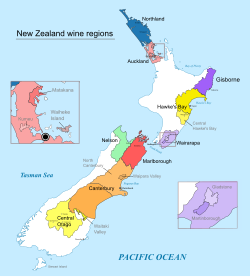
Whether it is the AVA (American Viticultural Area) in the United States, the VQA (Vintners Quality Alliance) in Canada, or the GI (Geographic Indication) in New Zealand, these boundaries help consumers and producers identify the unique characteristics of the land.
![Wine production in 2022[1]](/images/b3/e1/b3e13d931574b2118779c914faa99f2b0f2976114ced320858cc2a196e03ed5b.webp)
Key Facts
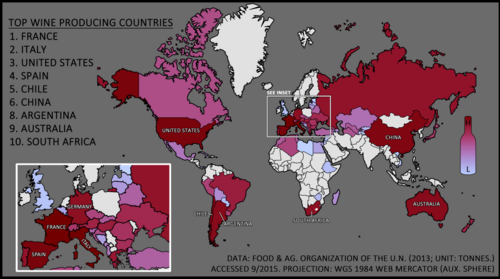
- Europe remains a powerhouse of diversity, with France, Italy, and Spain hosting some of the world's most famous appellations.
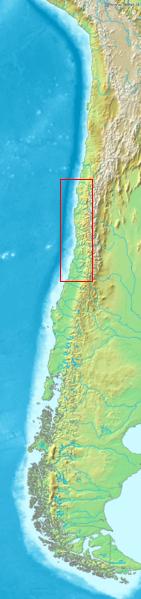
- The Americas offer vast contrasts, from the high-altitude vineyards of Argentina and Chile to the diverse climates of the United States and Canada.
- Oceania is characterized by precise geographic indications, particularly in Australia's state-based zones and New Zealand's GI system.
- Africa and Asia contribute unique regional profiles, including South Africa's Stellenbosch and emerging regions in China and India.
Wine Production in Europe
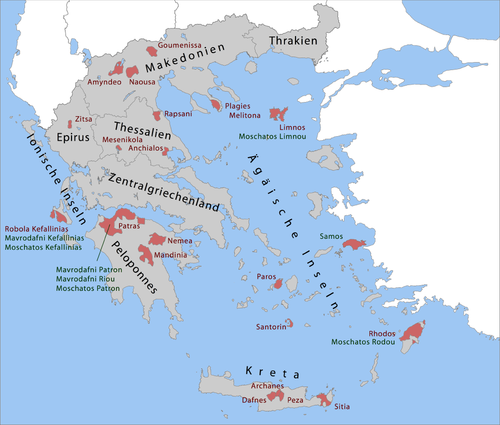
Europe is the historical heart of viticulture, featuring a dense network of specialized regions.
France
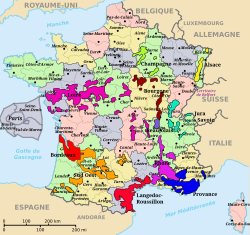
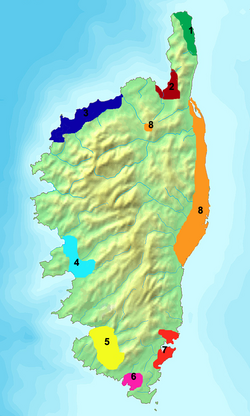
France is renowned for its strict regional classifications. Key areas include Alsace, Bordeaux (featuring sub-regions like Médoc and Saint-Émilion), Burgundy (including the Côte d'Or), and Champagne. Other significant regions include the Loire Valley, the Rhône Valley, and the island of Corsica.
Italy
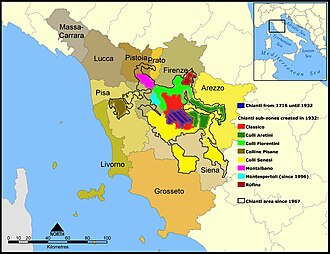
Italy's production is spread across its entire peninsula. Notable regions include Tuscany (famous for Chianti), Piedmont (home to Barolo and Asti), Veneto (the heart of Prosecco), and the island regions of Sicily and Sardinia.
Spain and Portugal
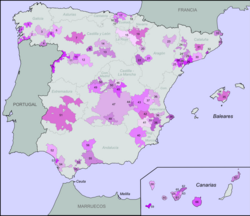
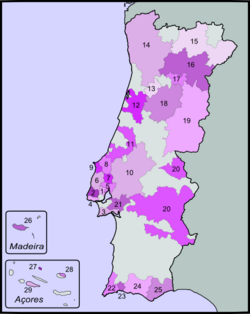
Spain's viticulture spans from the Rioja and Ribera del Duero in the north to the Canary Islands and Andalusia in the south. Portugal is equally diverse, with the Alentejo, Douro Valley, and the green landscapes of Vinhos Verdes.
Central and Eastern Europe
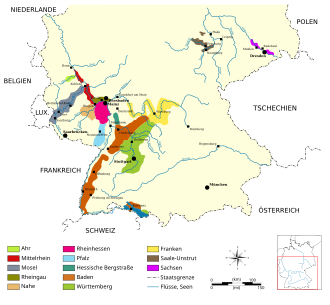
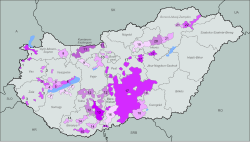
Germany is defined by regions like the Mosel and Rheingau
The Americas: From North to South

The Americas provide a wide range of altitudes and climates that influence grape growth.
North America
In the United States, California dominates with AVAs such as Napa Valley and Sonoma County. Other significant producers include Oregon's Willamette Valley and Washington's Columbia Valley. Canada utilizes the VQA system, with primary production in British Columbia's Okanagan Valley and Ontario's Niagara Peninsula.
South America
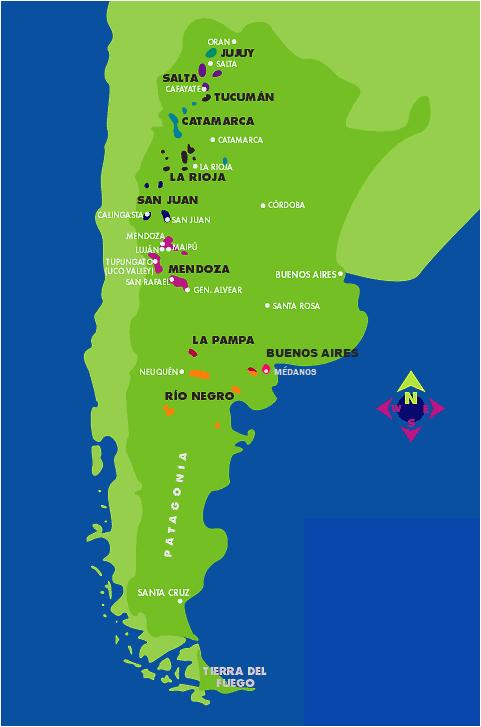
Argentina's production is centered in the Mendoza and Salta provinces
Viticulture in Africa, Asia, and Oceania
These regions often blend traditional methods with modern technology to overcome challenging climates.
Africa
South Africa is the continent's leader, with the Stellenbosch and Paarl regions being among the most prestigious

Asia and the Middle East
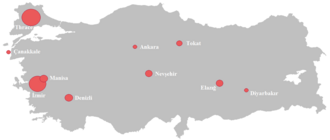
Turkey is a significant producer with a wide array of indigenous grapes, such as Öküzgözü and Narince
Oceania
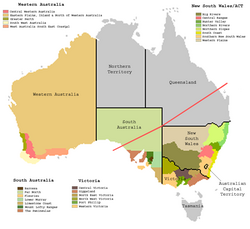
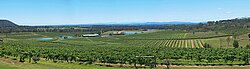
Australia's wine map is divided by state, with the Barossa Valley in South Australia and the Hunter Valley in New South Wales being iconic
Global Wine Region Summary
| Continent | Key Countries | Notable Regions/Systems |
|---|---|---|
| Europe | France, Italy, Spain, Germany | Bordeaux, Tuscany, Rioja, Mosel |
| North America | USA, Canada, Mexico | Napa Valley (AVA), Okanagan Valley (VQA) |
| South America | Argentina, Chile, Brazil | Mendoza, Maipo Valley, Rio Grande do Sul |
| Oceania | Australia, New Zealand | Barossa Valley, Marlborough (GI) |
| Africa | South Africa, Morocco | Stellenbosch, Atlas Mountains |
| Asia/Middle East | Turkey, Georgia, China | Cappadocia, Kakheti, Yantai |
Frequently Asked Questions
What is an AVA in the United States?
An AVA, or American Viticultural Area, is a designated grape-growing region in the US that is delimited by boundaries based on geographical and climatic factors.
Which regions are most famous in France?
Some of the most prestigious French regions include Bordeaux, Burgundy, Champagne, and the Rhône Valley, each known for specific grape varieties and styles.
How does New Zealand categorize its wine regions?
New Zealand uses Geographic Indications (GI) to identify the origin of the grapes, with major GIs including Marlborough, Central Otago, and Hawke's Bay.
Where is the primary wine production in South Africa?
The most prominent wine-producing areas in South Africa include Stellenbosch, Paarl, and the Breede River Valley.
What are the main wine regions in Australia?
Australia's production is spread across several states, with the Barossa Valley (South Australia), Hunter Valley (New South Wales), and Margaret River (Western Australia) being highly regarded.