German Americans: History, Demographics, and Cultural Legacy
German Americans represent one of the largest and most influential ancestral groups in the United States. From the early colonial settlers to the waves of 19th-century immigrants, people of German descent have left an indelible mark on the American landscape, economy, and cultural identity. Today, millions of Americans claim German heritage, blending traditional customs with the American way of life.
The presence of German influence is visible across the country, from the beer gardens of the Midwest to the architectural styles of Pennsylvania. This legacy is not just a matter of genealogy but a story of adaptation, resilience, and significant contribution to the building of a nation.
![World map of German cartographer Martin Waldseemüller (Germany, 1507), which first used the name America[24]](/images/50/7b/507b658ffc29474b7b09d8f92ce4cdcf0303e85dc438c578316bc1e2b73e6f73.jpg)
Key Facts
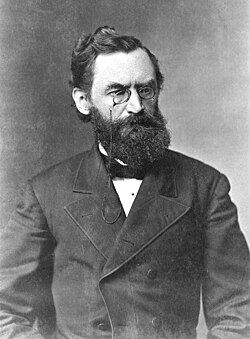
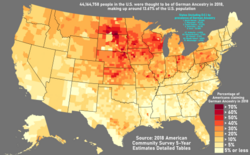
- Population: Approximately 40.2 million people (11.8% of the US population) identify as having German ancestry, either alone or in combination, as of 2024.
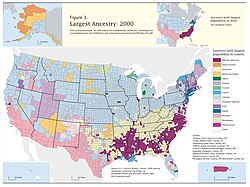
- Primary Regions: High concentrations are found in the Midwest, particularly in Wisconsin, North Dakota, and Iowa.
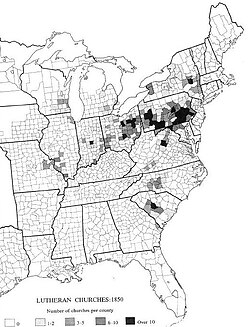
- Religious Diversity: The majority are Christian, with 51% Protestant (largely Lutheran, Reformed, and Anabaptist) and 26% Roman Catholic.
- Language: While English is dominant, historical and community dialects include Pennsylvania Dutch and Low German.
- Immigration Peak: The highest wave of immigration occurred between 1881 and 1890, with over 1.45 million arrivals.
Historical Journey: From Colonies to Citizenship
![Friedrich Wilhelm von Steuben, "father of the American military"[54]](/images/93/26/9326f1ad007166d795341d9c18e99193f32772eda865a0ec259111d57572e936.jpg)
The Colonial Era and Early Settlement
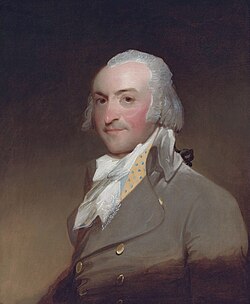
German settlement in North America began long before the United States was a sovereign nation. Early groups included the Palatines, who sought refuge from war and economic hardship in Europe. These settlers established roots in various regions, including New York, Pennsylvania, and Georgia. Pennsylvania, in particular, became a primary hub, with Germans making up 33.3% of the state's population by the 1790 census.
The 19th Century Immigration Wave
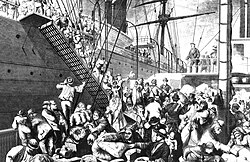
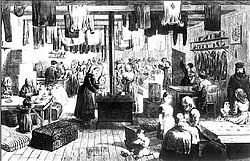
The 1800s saw a massive influx of German immigrants driven by political unrest and economic opportunity. Between 1820 and 2004, over 7.2 million Germans immigrated to the U.S. The mid-century period was especially active, with nearly one million immigrants arriving between 1851 and 1860 alone.
These immigrants settled in diverse environments: some became farmers in the Midwest, while others established themselves in northeastern cities. This period also saw the arrival of Volga Germans—ethnic Germans who had previously lived in Russia—who settled in areas like central Kansas.
War, Sentiment, and Assimilation
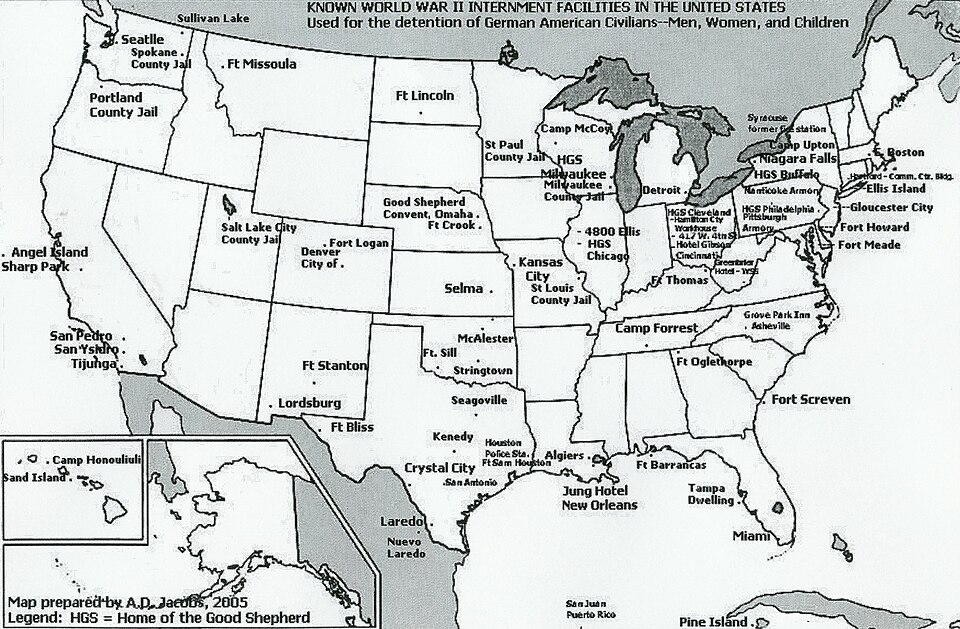
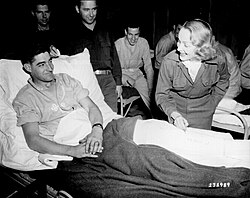
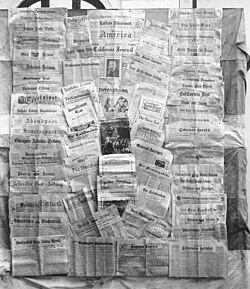
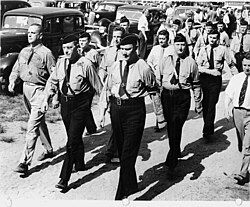
The 20th century brought significant challenges to German American identity. During World War I and World War II, strong anti-German sentiment swept the nation, leading to a rapid decline in the use of the German language and a push toward assimilation. During WWII, some German Americans were held in internment sites.
Despite these pressures, the cultural contributions of German Americans persisted, evolving from distinct ethnic enclaves into a broader American identity.
Demographics and Distribution
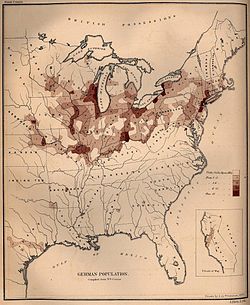
German ancestry is widespread, but certain states and communities maintain a particularly strong connection to their roots. Wisconsin currently has the highest percentage of residents claiming German ancestry at 37.81%, followed closely by North Dakota (36.93%) and South Dakota (35.74%).
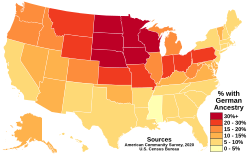
Concentrated Communities
Some small towns exhibit an overwhelming German heritage. For example, Monterey, Ohio, reports that 83.6% of its residents claim German ancestry. In larger cities, the influence remains strong in places like Bismarck, North Dakota, and Dubuque, Iowa.
![The Hermann Heights Monument in New Ulm, Minnesota. Erected by the Sons of Hermann, it is the 3rd largest copper statue in the United States after the Statue of Liberty and Portlandia. Historians have regarded Hermann's victory over Roman troops in 9 CE as Rome's greatest defeat,[143] and in the 19th century he became a symbol of unity for German immigrants facing anti-German sentiment in the United States.[144]](/images/76/b3/76b3c25266edba18713e7b6166a9b53a002936985e9630d601fab386223b2171.jpg)
| State | Number of People | Percentage of State Population |
|---|---|---|
| Wisconsin | 2,195,662 | 37.81% |
| North Dakota | 280,834 | 36.93% |
| South Dakota | 314,246 | 35.74% |
| Iowa | 1,016,154 | 32.26% |
| Minnesota | 1,753,612 | 31.31% |
| Pennsylvania | 2,915,171 | 22.78% |
Cultural and Intellectual Contributions
Science, Industry, and Arts
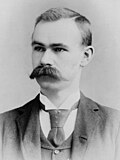
German Americans have been pivotal in shaping American innovation. Notable figures include Herman Hollerith, the founder of IBM, and Wernher von Braun, who was instrumental in the U.S. space program. In the arts and entertainment, figures like Walt Disney and Sandra Bullock carry this ancestral lineage.
Education and Social Life
The concept of the kindergarten (children's garden) was a German import that revolutionized early childhood education in the U.S. Additionally, German "Turners" (gymnastics clubs) promoted physical health and social gathering, while the tradition of Oktoberfest continues to be celebrated in cities like Cincinnati.

Frequently Asked Questions
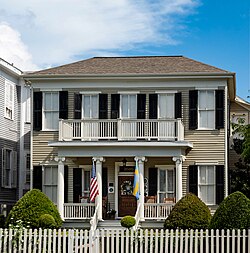
![The Wahrenberger House in Austin served as a German-American school.[75]](/images/db/f1/dbf1ff28f608713f45a3a9a0dc8363077aaeb392d17cc464f88bf6b7ea0ffd32.jpg)






How many people in the U.S. have German ancestry?
According to the 2024 American Community Survey, approximately 40,218,028 people (11.8% of the total population) identify as having German ancestry, either alone or in combination with other ancestries.
Which U.S. state has the highest percentage of German Americans?
Wisconsin has the highest percentage, with 37.81% of its population claiming German ancestry as of 2020.
What is the Pennsylvania Dutch?
The Pennsylvania Dutch are descendants of German settlers in Pennsylvania. The term "Dutch" is a corruption of Deutsch, the German word for German.
How did the World Wars affect German Americans?
Both World Wars triggered significant anti-German sentiment, which led many German Americans to stop speaking the language and distance themselves from their ethnic identity to assimilate more fully into American society.
What are some notable German American contributions to U.S. history?
Contributions range from the establishment of the kindergarten system and the development of the American military (via Friedrich Wilhelm von Steuben) to massive industrial achievements by figures like John Jacob Astor and Herman Hollerith.