Georgia: The Empire State of the South
Known affectionately as the Peach State and the Empire State of the South, Georgia is a cornerstone of the American Southeast. From the bustling urban center of Atlanta to the serene marshes of the coast, Georgia blends a rich, complex history with a dynamic modern economy. Admitted to the Union on January 2, 1788, it stands as the fourth state to join the United States.
Key Facts
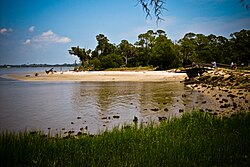
- Capital: Atlanta (also the largest city)
- Population: Approximately 11,302,748 (2025 est.)
- State Motto: "Wisdom, Justice & Moderation"
- Highest Point: Brasstown Bald (4,783 ft)
- Official Language: English
- Median Household Income: $74,600 (2023)
Geography and Climate
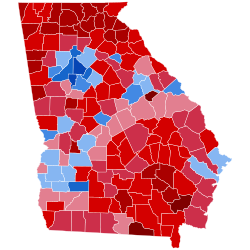
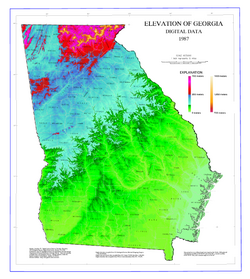
Georgia spans 59,420 square miles, ranking 24th in total area. Its terrain is diverse, ranging from the high elevations of the Appalachian Mountains in the north to the Atlantic coastal plains in the south.
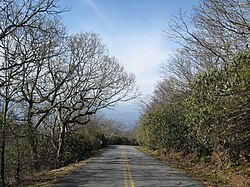
The state's highest point is Brasstown Bald, reaching 4,783 feet, while its lowest point is the Atlantic Ocean at sea level.
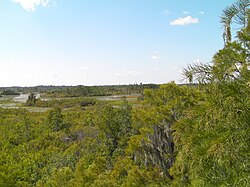
The state's ecology is equally varied, featuring the vast Okefenokee Swamp and the unique coastal environment of Jekyll Island.
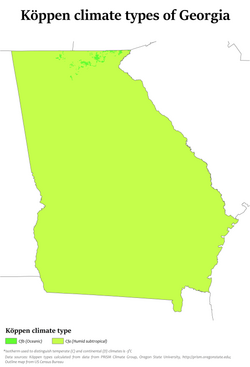
Georgia's climate is generally temperate, though it is subject to significant weather events, such as the "Storm of the Century" in March 1993. The state's elevation and climate patterns are critical to its diverse biological landscape.

History and Civil Rights
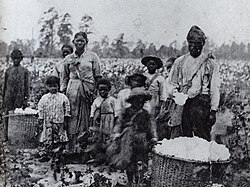
Georgia's history is marked by periods of intense growth and social struggle. In the 19th century, the state's economy relied heavily on cotton production and the labor of enslaved people.
During the American Civil War, Georgia was a primary theater of conflict, exemplified by the Battle of Kennesaw Mountain in 1864.

Following the war, the state entered a period of Reconstruction and later the era of Jim Crow laws, which established de jure segregation—segregation that is legally required.

The 20th century saw Georgia become a focal point for the American Civil Rights Movement, led by figures such as Martin Luther King Jr., whose legacy is preserved in Atlanta.

Demographics and Society
As of 2025, Georgia is the 8th most populous state in the U.S. The population is diverse, with Non-Hispanic Whites making up 50.1% and Non-Hispanic African Americans comprising 30.6% of the population. Hispanic or Latino residents account for 10.5%.
Population density is highest in the Atlanta metropolitan area, which serves as the state's primary economic and cultural hub.
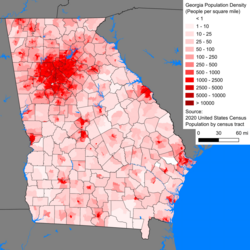
While English is the official language, spoken by over 85% of the population, Spanish is the second most common language, spoken by approximately 7.82% of residents.
![Largest alone or in any combination ethnic origin by county in Georgia, per the 2020 census [67]](/images/f8/38/f8384e940e6b51bf14a6be964fdcacc111635331fc8979b9f01f5a392fbe88a6.jpg)
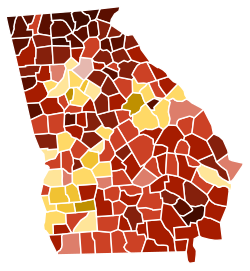
Economically, the state shows significant variance in wealth across different counties, reflecting the divide between urban centers and rural agricultural regions.
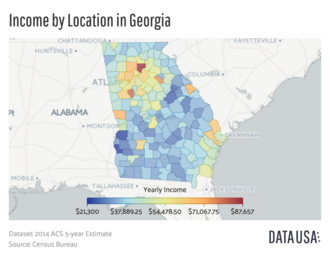
Economy and Infrastructure
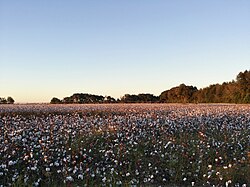
Georgia possesses a multifaceted economy. While agriculture remains vital—particularly cotton and peanuts—the state has diversified into high-growth sectors.
Atlanta has emerged as a global hub for film production, hosting major projects like Captain America: Civil War. The state also relies on strong logistics, energy production, and military installations such as Fort Stewart.
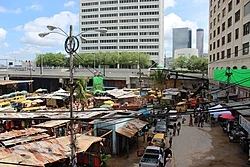
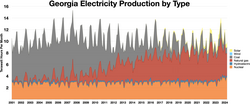

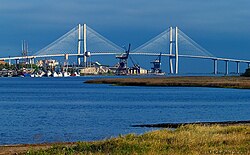
Transportation is anchored by the Port of Brunswick and the extensive MARTA rapid transit system in Atlanta.

Culture and Landmarks
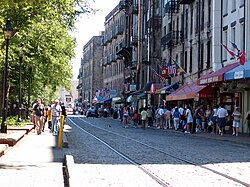
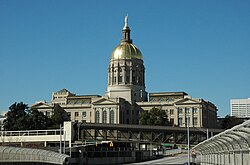
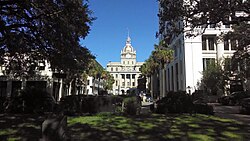
Georgia's cultural identity is a blend of Southern tradition and modern urbanity. Savannah is renowned for its historic River Street and City Hall, while Atlanta is home to the iconic Fox Theatre and the Georgia State Capitol.

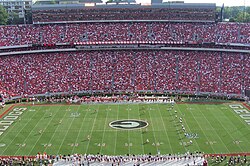
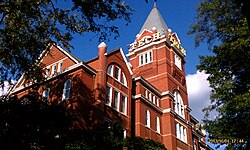
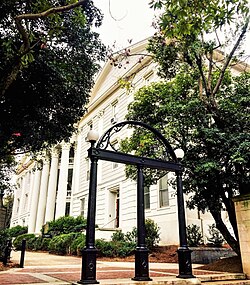
The state is also a center for higher education, featuring the University of Georgia in Athens and Georgia Tech in Atlanta.
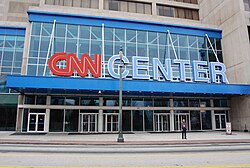
Georgia's influence extends to global media, from the former CNN Center to the enduring legacy of the novel and film Gone with the Wind.

State Symbols
Georgia's natural beauty is reflected in its official symbols, which highlight the state's unique flora and fauna.
| Category | Symbol |
|---|---|
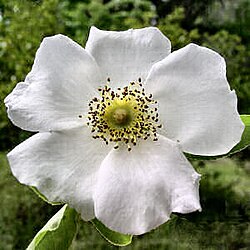
| Flower | Cherokee rose (Rosa laevigata) |
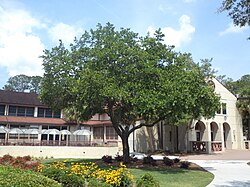
| Tree | Southern live oak (Quercus virginiana) |
| Fruit | Peach (Prunus persica) |
| Vegetable | Vidalia onion |
| Bird | Brown thrasher |
| Amphibian | American green tree frog |
| Reptile | Gopher tortoise |
| Song | "Georgia on My Mind" |
Frequently Asked Questions
What is the largest city in Georgia?
Atlanta is both the capital and the largest city in the state.
What are the nicknames of Georgia?
Georgia is commonly known as the "Peach State" and the "Empire State of the South."
What is the highest point in Georgia?
The highest elevation in the state is Brasstown Bald, which reaches 4,783 feet.
Which major industries drive Georgia's economy?
Georgia's economy is driven by agriculture (especially peaches and peanuts), film production, logistics, energy, and military installations.
What is the official state flower of Georgia?
The official state flower is the Cherokee rose (Rosa laevigata).