Georgi Bolshakov: The Secret Back-Channel Between Kennedy and Khrushchev
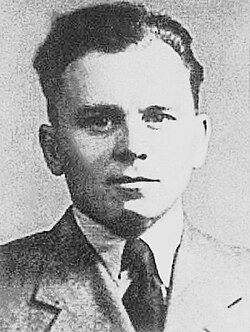
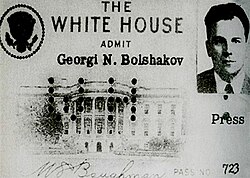
During the height of the Cold War, the official diplomatic channels between the United States and the Soviet Union were often rigid and performative. To navigate the volatile tensions of the early 1960s, the John F. Kennedy administration relied on a clandestine link: Georgi Nikitovich Bolshakov. Operating under the guise of a journalist, Bolshakov was actually a Soviet GRU (Main Intelligence Directorate) officer who became one of the most critical intermediaries in 20th-century geopolitics.
Bolshakov was posted to Washington, D.C., twice, with his most influential tenure occurring during the early years of the Kennedy presidency. His unique position allowed him to facilitate a private dialogue that bypassed traditional bureaucratic hurdles, providing a direct line of communication between the White House and the Kremlin.
The Secret Partnership with Robert F. Kennedy
The core of Bolshakov's influence lay in his secret relationship with Attorney General Robert F. Kennedy. Throughout 1961, the two men met on numerous occasions in private. These meetings served a dual purpose: they allowed Robert Kennedy to gather intelligence on Soviet intentions and provided a secure method for the American administration to convey sensitive messages to Soviet Premier Nikita Khrushchev.
This "back-channel" was not merely for intelligence gathering but was a functional tool of diplomacy used to manage high-stakes international conflicts without the pressure of public scrutiny.
Impact on Global Crises
Bolshakov's role was instrumental in organizing and resolving some of the most tense encounters of the era. His contributions were pivotal in two major events:
- The Vienna Summit (June 1961): Bolshakov helped coordinate the logistics and diplomatic groundwork for this high-level meeting between President Kennedy and Premier Khrushchev.
- The Berlin Crisis (October 1961): Perhaps more importantly, Bolshakov served as a vital conduit to defuse tensions and reach a resolution during the Berlin Crisis, preventing a potential escalation into direct conflict.
Post-Assassination Diplomacy and Cultural Links
The influence of Bolshakov extended beyond the life of President John F. Kennedy. According to Soviet archives and the artist William Walton, Robert Kennedy utilized Walton for a secret mission to the USSR shortly after the President's assassination. While Walton's official purpose was cultural diplomacy, he was tasked with delivering a private message to Bolshakov.
Walton informed Bolshakov that Robert and Jackie Kennedy believed a conspiracy was involved in the President's death. Furthermore, the message conveyed that Robert Kennedy remained committed to his brother's vision of pursuing peace with the Soviet Union.
Key Facts
- Identity: Georgi Nikitovich Bolshakov (1922–1989) was a GRU officer operating under journalist cover.
- Primary Contact: He maintained a secret, direct line of communication with Attorney General Robert F. Kennedy.
- Major Achievements: Facilitated the 1961 Vienna Summit and helped resolve the 1961 Berlin Crisis.
- Role: Acted as a critical back-channel intermediary between the US and Soviet leadership.
| Category | Details |
|---|---|
| Official Cover | Journalist |
| Actual Affiliation | GRU (Soviet Military Intelligence) |
| Key US Contact | Robert F. Kennedy |
| Key Soviet Contact | Nikita Khrushchev |
| Critical Events | Vienna Summit, Berlin Crisis (1961) |
Frequently Asked Questions
Who was Georgi Bolshakov?
Georgi Bolshakov was a Soviet GRU officer who lived in Washington, D.C., under the cover of a journalist. He served as a secret diplomatic link between the US and Soviet governments during the early 1960s.
How did Bolshakov assist the Kennedy administration?
He acted as a back-channel contact, meeting secretly with Robert F. Kennedy to exchange information and messages between the US administration and Premier Nikita Khrushchev.
What major historical events did Bolshakov influence?
He played a major role in setting up the Vienna Summit in June 1961 and was instrumental in defusing the Berlin Crisis in October 1961.
Did Bolshakov remain relevant after JFK's assassination?
Yes. Robert Kennedy sent artist William Walton to the USSR to deliver a message to Bolshakov regarding the Kennedy family's views on the assassination conspiracy and their continued desire for peace with the USSR.
Is the full extent of Bolshakov's impact known?
Not entirely. A more precise evaluation of his role and impact on US-Soviet diplomacy depends on the future release of further archival records.