George III: The Longest-Reigning Male Monarch of Great Britain
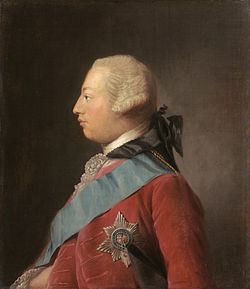
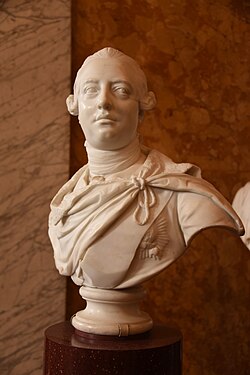
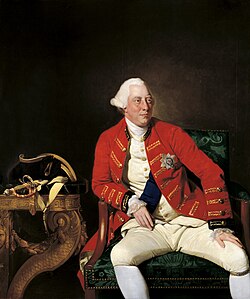
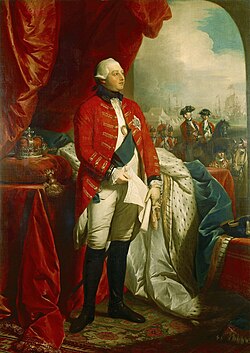
George III was a pivotal figure in British history, serving as King of Great Britain and Ireland from October 25, 1760, until his death in 1820. A member of the House of Hanover, he was the first monarch of his dynasty to be born in Great Britain and to speak English as his primary language. His reign, spanning nearly six decades, witnessed the birth of the United Kingdom and the loss of the American colonies.
Throughout his life, George III was defined by a complex blend of domestic devotion, political struggle, and a well-documented battle with mental illness. He remains the longest-lived and longest-reigning male monarch in British history, having ruled for 59 years and 96 days.
Key Facts
- Reign: October 25, 1760 – January 29, 1820.
- Firsts: First Hanoverian monarch born in Great Britain.
- Major Legislation: Signed the Act for the Abolition of the Slave Trade in 1807.
- Territorial Changes: Oversaw the Acts of Union 1800, merging Great Britain and Ireland into the United Kingdom.
- Family: Married Charlotte of Mecklenburg-Strelitz; father to 15 children.
- Health: Suffered from recurrent mental illness, leading to the Regency of his son in 1811.
Early Life and Accession
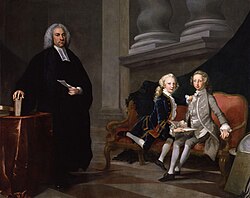
Born on June 4, 1738, at Norfolk House in London, George William Frederick was the son of Frederick, Prince of Wales, and Princess Augusta of Saxe-Gotha. Unlike his predecessors, George never visited Hanover, the German state where his family held power.
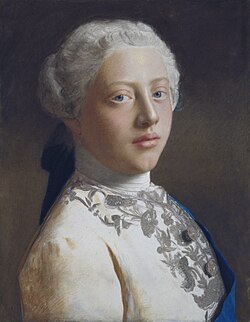
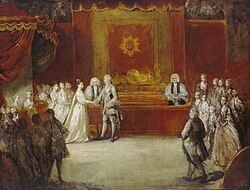
He ascended to the throne in 1760 and was crowned on September 22, 1761. Shortly after, he married Charlotte of Mecklenburg-Strelitz, establishing a large family that would produce nine sons and six daughters.
Domestic Life and Residences
George III was known for his preference for southern England, rarely traveling far from his primary residences. In 1762, he purchased Buckingham House—the site of the current Buckingham Palace—as a private family retreat. He also spent significant time at Windsor Castle and Kew Palace, while maintaining St James's Palace for official state business.

The King is also credited with popularizing Weymouth, Dorset, as one of England's first seaside resorts during the 1790s, where he and his family spent their holidays.
Political Challenges and the American Revolution
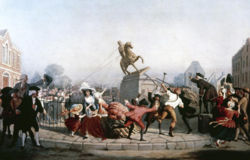
George III's reign was marked by significant geopolitical upheaval. Most notably, his tenure saw the American War of Independence, which resulted in the loss of the thirteen American colonies. This period of turmoil is often highlighted by the destruction of his statue at Bowling Green Park in New York on July 9, 1776.

Despite these losses, George III's later years saw a rise in personal popularity. He was noted for his humane treatment of individuals who attempted to attack him, including Margaret Nicholson and John Frith. Even after a failed assassination attempt by James Hadfield in 1800, the King remained remarkably unperturbed.
The Struggle with Mental Illness
In the latter part of his life, George III suffered from recurrent and eventually permanent mental illness. While the exact diagnosis remains a subject of historical and medical debate, experts suggest his symptoms were consistent with either bipolar disorder or porphyria (a group of rare genetic disorders that can affect the nervous system).
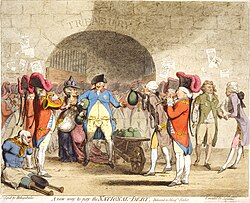
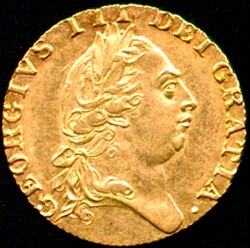
By 1810, a final relapse rendered him incapable of ruling. This led to the appointment of his eldest son, George, Prince of Wales, as Prince Regent in 1811. The King's health continued to decline, eventually resulting in dementia, blindness, and deafness.
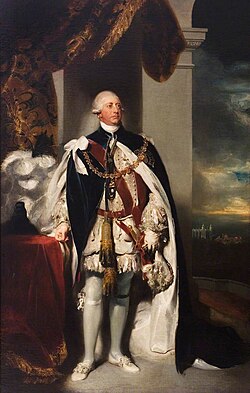
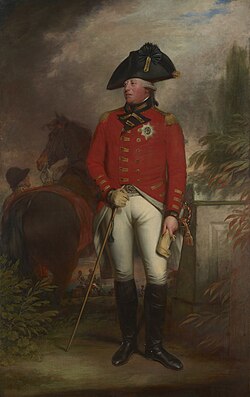
Later Reign and Global Impact
While the Prince Regent handled the day-to-day governance, the British Empire achieved significant milestones. Under the leadership of Lord Liverpool, Britain secured victory in the Napoleonic Wars. The subsequent Congress of Vienna elevated Hanover from an electorate to a kingdom, though George III was too ill to comprehend this promotion in 1814.
![Attack on the royal carriage in 1795[109]](/images/4c/e5/4ce58c725552740279a4cc39c40ed3f5f2f0a8c0f86b928e473fa60163a6440e.jpg)
One of the most enduring legacies of his reign was the signing of the Act for the Abolition of the Slave Trade on March 25, 1807, which banned the transatlantic slave trade within the British Empire.
Death and Succession
George III died of pneumonia at Windsor Castle on January 29, 1820, at the age of 81. He passed away just six days after his fourth son, Prince Edward. He was interred on February 16 in the Royal Vault of St George's Chapel, Windsor Castle.
| Category | Details |
|---|---|
| Full Name | George William Frederick |
| Reign Dates | 1760 – 1820 |
| House | Hanover |
| Spouse | Charlotte of Mecklenburg-Strelitz |
| Key Achievement | Abolition of the Slave Trade (1807) |
| Successor | George IV |
Frequently Asked Questions
What was the nature of George III's mental illness?
The exact nature of his illness is not definitively known, but medical historians suggest his behavior was consistent with either bipolar disorder or porphyria.
How did George III contribute to the end of slavery?
On March 25, 1807, King George III signed into law the Act for the Abolition of the Slave Trade, which banned the transatlantic slave trade across the British Empire.
Who was the Prince Regent?
The Prince Regent was George III's eldest son, George, Prince of Wales, who was appointed to handle the duties of the monarchy in 1811 after the King suffered a final mental relapse.
Was George III the first Hanoverian king born in England?
Yes, George III was the first monarch of the House of Hanover to be born in Great Britain and to speak English as his first language.
How long did George III reign?
He reigned for 59 years and 96 days, making him the longest-reigning male monarch in British history.