Generation of '80: The Oligarchy that Shaped Modern Argentina
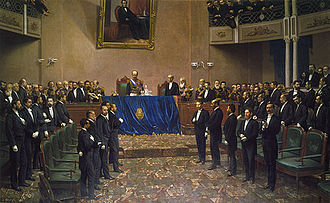
From 1880 to 1916, Argentina was governed by a powerful elite known as the Generation of '80. Comprising an oligarchy of provincial and capital-city landowners, this group consolidated power through the National Autonomist Party—a fusion of the Autonomist and National parties. Under the leadership of General Julio Argentino Roca, the architect of the "Conquest of the Desert," this era transformed Argentina into a global economic powerhouse, though it did so through a system of restricted political participation and electoral fraud.
The Generation of '80 occupied the highest echelons of political, economic, military, and religious life. Despite rising opposition from the Radical Civic Union (UCR) and immigrant-led socialist and anarchist movements, they maintained control until the landmark Sáenz Peña Law introduced secret and universal male suffrage, ushering in the modern political era.
Key Facts
- Period of Influence: 1880 to 1916.
- Core Ideology: A blend of economic liberalism, social conservatism, and positivism (the belief that scientific progress leads to social improvement).
- Economic Model: An export-led agricultural system focused on meat, wool, and grains for the British market.
- Demographic Shift: Promoted massive European immigration to "civilize" the nation.
- Political Transition: Ended with the 1912 Sáenz Peña Law and the 1916 election of Hipólito Yrigoyen.
Ideology: Order and Progress
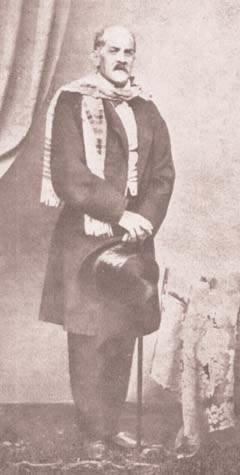
The Generation of '80 viewed themselves as the successors to the Generation of '37. They adopted the motto "Order and Progress," derived from Auguste Comte's positivism. In their view, "order" (peace and stability) was the essential prerequisite for "progress" (economic growth and modernization). This philosophy was synthesized in General Roca's governing principle: "Peace and Administration."
This worldview was heavily influenced by Social Darwinism—the application of biological evolution to sociology. Following the theories of Herbert Spencer, the elite categorized Gauchos and indigenous peoples as "barbarians." They believed that European cultures were more "fit" for the modern world, justifying the cultural and physical displacement of native populations to make room for European immigrants.
Conflict with the Church
While socially conservative, the Generation of '80 sought to reduce the Catholic Church's influence on public life. They implemented secular reforms, including the establishment of a Civil Registry, Civil Matrimony, and mandatory, free, and secular primary education. These moves created a lasting tension between the state and the Church, though a small group of Catholic liberals within the elite attempted to bridge the gap.
Economic Expansion and the British Connection
The era was defined by a liberal economic policy of agricultural exportation. Argentina integrated itself into the international division of labor, primarily serving the British Empire. The Pampas region became the heart of this activity, exporting beef, leather, wool, and grains (wheat, corn, and flax) in exchange for industrial goods.
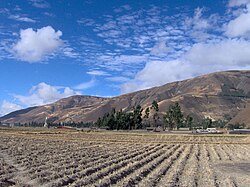
This growth was fueled by British capital, which funded the nation's infrastructure, including banks and railways. By 1888, Argentina was the sixth-largest grain exporter globally, rising to third place by 1907. However, this model relied heavily on the estancieros (large landowners), who formed the Sociedad Rural Argentina to protect their interests, often blocking efforts to distribute land to small-scale immigrant farmers.
| Category | Detail |
|---|---|
| Primary Exports | Meat, Wool, Leather, Grains (Wheat, Corn, Flax) |
| Main Trading Partner | Great Britain |
| Export Composition | 95% Agricultural products |
| Import Dependency | 77% Textiles, 67% Metallurgic goods |
| Key Infrastructure Funding | English Capital (Railways, Banks, Refrigeration) |
Population Growth and Social Tension
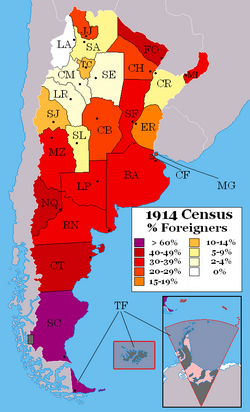
To fulfill their vision of a "civilized" nation, the government encouraged unprecedented levels of European immigration. This demographic surge provided the labor necessary for economic expansion but also introduced new political ideologies. Immigrant workers brought socialist and anarchist ideas, leading to the rise of labor movements and frequent strikes.
The state responded to this unrest with repressive measures, such as the 1902 Law of Residency (allowing the expulsion of foreign activists) and the 1910 Law of Social Defense (allowing preventative arrests of anarchists). Despite these crackdowns, the growing middle class and organized labor eventually forced a political opening.
The Fall of the Oligarchy
The decline of the Generation of '80 was a gradual process of erosion. Internal instability, such as the Revolution of the Park in 1890 and various radical uprisings, signaled the fragility of the regime. While the government created the National Department of Labor in 1907 to appease workers, these concessions were insufficient.
Under pressure from the press, Congress, and a mobilized middle class, the government passed the Sáenz Peña Law in 1912. This law mandated secret, universal, and obligatory male suffrage. In 1916, the conservative elite lost the presidency for the first time, as Hipólito Yrigoyen took office with the support of the majority of the Argentine middle class.
Frequently Asked Questions
Who were the Generation of '80?
They were the governing elite of Argentina between 1880 and 1916, consisting of wealthy landowners and intellectuals who promoted a model of economic liberalism and social conservatism.
What was the "Order and Progress" philosophy?
Based on positivism, this ideology held that social order and political stability were necessary conditions to achieve economic growth and modernization.
How did the British influence Argentina during this time?
Great Britain was Argentina's primary trading partner and source of investment, providing the capital for railways and banks while importing the vast majority of Argentina's agricultural exports.
Why did the Generation of '80 promote European immigration?
Influenced by Social Darwinism, they believed European immigrants were more "fit" for modern civilization and would help replace the "barbarism" they associated with indigenous peoples and Gauchos.
What ended the rule of the Generation of '80?
Their rule ended following the passage of the Sáenz Peña Law of 1912, which established secret and universal male suffrage, leading to the election of Hipólito Yrigoyen in 1916.