Gaziantep: A Hub of History, Culture, and Gastronomy in Turkey
Located in the westernmost part of Turkey's Southeastern Anatolia Region, Gaziantep is a vibrant metropolitan center where ancient history meets modern industry. Historically known as Aintab, the city sits on the Sajur River, strategically positioned between Adana to the west and Aleppo, Syria, to the south. As the fifth-most populous city in Turkey, it serves as a cultural crossroads, shaped by a diverse heritage of Turks, Kurds, Armenians, and Jews.
From its world-renowned mosaics to its legendary culinary scene, Gaziantep offers a profound glimpse into the civilizations that have traversed the trade routes of the Near East.
Key Facts
- Population: Approximately 2.22 million in the metropolitan municipality (2025 estimation).
- Economy: A major industrial center with a nominal GDP of ₺830.106 billion (2024).
- Cultural Highlight: Home to the Zeugma Mosaic Museum, one of the world's premier collections of Roman mosaics.
- Gastronomy: Famous for its rich cuisine, including baklava and lahmacun.
- Geography: Situated in south-central Turkey, approximately 97 km north of Aleppo.
A Journey Through History
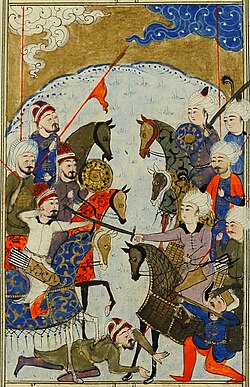
The history of Gaziantep is as layered as its architecture. During the Ottoman period, the city (then Aintab) became a vital commercial hub due to its location on key trade routes. It was captured by the Ottoman Empire in 1516 under Sultan Selim I, shortly before the Battle of Marj Dabiq.
For centuries, the city hosted a significant Armenian community that contributed greatly to its prosperity and culture. However, this presence was largely erased during the Hamidian massacres of 1895 and the Armenian genocide of 1915.
In the early 20th century, the city faced turbulent times. Following World War I, it was occupied by the United Kingdom in 1918 and later transferred to France in 1919. A ten-month siege by Turkish irregular troops, known as the Kuva-yi Milliye, ended in French victory, resulting in the deaths of approximately 6,000 Turkish civilians.
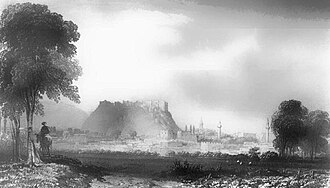
More recently, the city suffered devastating losses during the catastrophic earthquakes of February 6, 2023. The disaster caused the collapse of around 900 buildings and heavily damaged historic landmarks, including the Gaziantep Castle and the Liberation Mosque.
Cultural Treasures and Museums
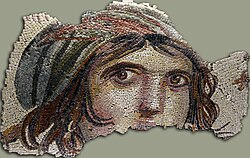
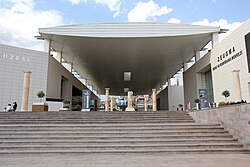
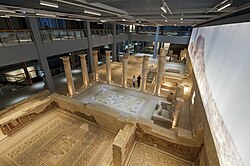
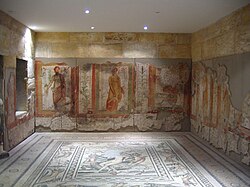
Gaziantep is a sanctuary for archaeology and art. The Zeugma Mosaic Museum is the city's crown jewel, showcasing breathtaking Roman floor mosaics recovered from the ancient city of Zeugma.
Among the most famous pieces is the "Gypsy Girl," a masterpiece of ancient artistry that has become a symbol of the city.
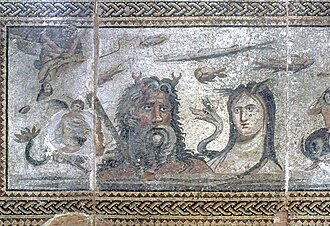
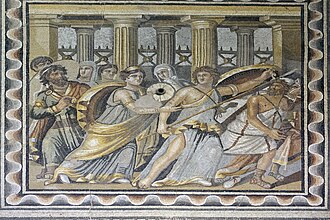
Other notable exhibits include the Oceanus and Tethys mosaic and the Achilles mosaic, which demonstrate the high level of craftsmanship in the Roman era.
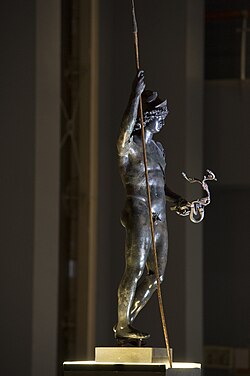
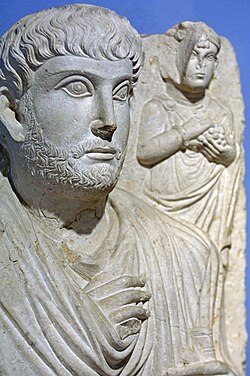
Beyond mosaics, the Gaziantep Museum of Archaeology houses significant artifacts, such as bronze statues of Mars and funerary portraits from Palmyra, Syria.
The city also celebrates its spiritual heritage through the Gaziantep Mevlevi Culture and Foundation Works Museums, dedicated to the Sufi whirling dervishes.
Gastronomy: The Taste of Aintab
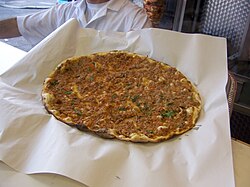
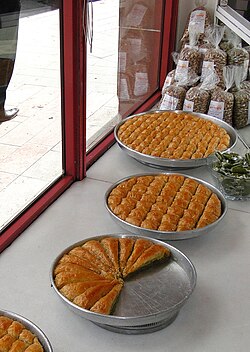
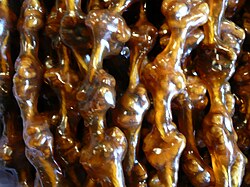
Gaziantep is globally recognized for its culinary excellence. The local cuisine is a rich tapestry of flavors, often utilizing the region's famous pistachios and aromatic spices. Key staples include Lahmacun (thin dough topped with minced meat) and Baklava (layered pastry with nuts and syrup).
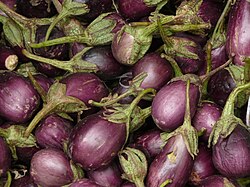
Other local specialties include Sucuk (spicy fermented sausage) and Dolmalık patlıcan, a specific variety of small eggplants used for stuffing (dolmas).
Urban Development and Infrastructure
Modern Gaziantep is a planned industrial powerhouse. Throughout the 20th century, several urban plans—including the Jansen plan of 1938 and the Can plan of 1973—shaped the city. The Can plan specifically focused on establishing Gaziantep as an industrial center, separating manufacturing zones from residential areas.
To support its growing population, the city implemented the Gaziantep Tram in 2011. This light rail system spans 35 km across three lines, transporting approximately 75,000 passengers daily and connecting key sites like the Organized Industrial Zone and the Zeugma Mosaic Museum.
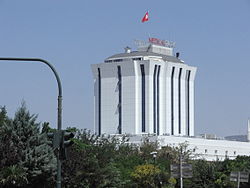
Education is also a priority, with Gaziantep University serving as one of Turkey's largest institutions, hosting 27,000 students.
City Overview Summary
| Category | Detail |
|---|---|
| Region | Southeastern Anatolia / Mediterranean |
| Population (2025 est.) | 2,222,415 |
| Nominal GDP (2024) | ₺ 830.106 billion |
| Key Industry | Manufacturing and Commerce |
| Primary Language | Turkish (95.7%) |
| Major Landmark | Zeugma Mosaic Museum |
Frequently Asked Questions
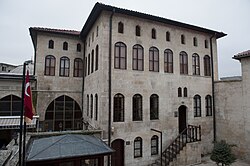
![Gaziantep synagogue is rumoured to be 800 years old,[67] although it may have been constructed in the 19th century.[62]](/images/1e/38/1e3836ae3dc2aa88989df6ede1f99bcd7c3d44a6e8796c97e050c0bf09f35729.jpg)
What is the significance of the Zeugma Mosaic Museum?
The museum houses one of the world's most extensive collections of Roman mosaics, including the famous "Gypsy Girl" and the Achilles mosaic, recovered from the ancient city of Zeugma.
What are the most famous foods in Gaziantep?
Gaziantep is renowned for its baklava, lahmacun, sucuk, and various stuffed eggplant dishes (dolmas), often featuring local pistachios.
How did the 2023 earthquakes affect the city?
The earthquakes caused catastrophic damage, with around 900 buildings collapsing and historic sites like the Gaziantep Castle and Liberation Mosque being heavily damaged.
What is the history of the name "Aintab"?
Aintab is the historical name of the city. Theories on its origin include the Aramaic "Ayin dab" or "Ayin debo," meaning "spring of the wolf." It became officially known as Gaziantep after 1928.
How do people get around the city?
The city features a modern light rail system called the Gaziantep Tram, which consists of three lines and carries 75,000 passengers daily.