Garter Principal King of Arms: History and Legacy of the Office
The Garter Principal King of Arms is a cornerstone of British heraldic tradition, serving as the primary authority on armorial bearings and the Order of the Garter. Operating under the jurisdiction of England, Wales, and Northern Ireland, the office is governed by the College of Arms—the official body responsible for granting coats of arms and maintaining genealogical records.
From its medieval origins to its modern administration, the role has evolved from a diplomatic and ceremonial position into one of scholarly preservation and official state duty. Today, the office is held by James Peill, who succeeds a long line of distinguished heralds and antiquaries.
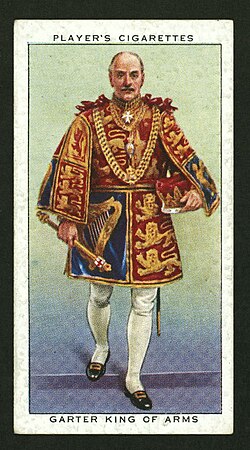
Key Facts
- Jurisdiction: England, Wales, and Northern Ireland.
- Governing Body: The College of Arms.
- First Holder: William Bruges, appointed circa 1415/1417.
- Primary Role: Chief officer of arms for the Order of the Garter.
- Current Holder: James Peill (appointed July 1, 2026).
The Evolution of the Office
Foundation and Early Years
The office was established in the early 15th century. William Bruges, the first Garter King of Arms, was a seasoned herald who had previously served as Chester Herald and Guyenne King of Arms. His tenure was marked by significant diplomatic missions and the drafting of the first armorial (a formal register of coats of arms) of the Order of the Garter in 1430.
Diplomacy and Statecraft
For centuries, the Garter King of Arms was more than a record-keeper; they were essential diplomatic agents. Officers like John Smert and Thomas Wall were frequently dispatched on missions to France, Italy, Austria, and Scotland. These heralds represented the Crown at high-profile events, such as the marriage of Princess Margaret to Charles the Bold of Burgundy in 1468.
Scholarly Contributions
Many holders of the office were renowned antiquaries—scholars of ancient history and artifacts. Sir William Dugdale (1677–1686) is noted for conducting heraldic visitations across ten English counties, while Sir Thomas Woodcock co-authored the definitive Oxford Guide to Heraldry and the Dictionary of British Arms: Medieval Ordinary.
Notable Holders of the Office
The history of the office is reflected in the diverse backgrounds of its holders, ranging from career heralds to legal experts and barristers.
| Name | Dates of Office | Key Contribution/Note |
|---|---|---|
| William Bruges | 1417–1450 | First Garter King of Arms; drafted the first Garter armorial. |
| Sir William Dugdale | 1677–1686 | Leading antiquary; conducted visitations in 10 counties. |
| Sir Ralph Bigland | 1831–1838 | Last officer to hold all three Kingships (Norroy, Clarenceux, and Garter). |
| Sir Algar Howard | 1944–1950 | Descendant of the Dukes of Norfolk; former barrister. |
| Sir Thomas Woodcock | 2010–2021 | Prolific author of heraldic dictionaries and guides. |
Frequently Asked Questions
What is the primary responsibility of the Garter Principal King of Arms?
The Garter Principal King of Arms is the chief officer of arms for the Order of the Garter and oversees heraldic matters within the jurisdiction of England, Wales, and Northern Ireland through the College of Arms.
Who was the first person to hold this office?
William Bruges was the first Garter King of Arms, appointed around 1415 or 1417. He was instrumental in establishing the office's early diplomatic and record-keeping functions.
What is the relationship between the Garter King of Arms and the College of Arms?
The College of Arms is the governing body and corporate entity that manages heraldic records and grants. The Garter Principal King of Arms serves as its chief officer.
Have all Garter Kings of Arms been heralds?
While most rose through the ranks of the College (starting as Pursuivants or Heralds), some came from different professional backgrounds, including law and land surveying, though they typically transitioned into heraldic roles before becoming Garter.
How long is the term for the Garter Principal King of Arms?
Terms vary; some holders served for decades, while others served shorter fixed terms or retired. For example, Sir David Vines White's term is scheduled from July 1, 2021, to June 30, 2026.