Football in England
Football is more than just a sport in England; it is a cultural cornerstone with a legacy spanning over 160 years. Governed by The Football Association (FA), the game has evolved from its early roots in 1863 into a massive global industry. Today, England boasts over 800,000 registered players and more than 40,000 clubs organized into over 600 leagues, creating a complex and vibrant ecosystem known as the football pyramid.
Key Facts
- Governing Body: The Football Association (FA).
- Oldest Tournament: The FA Cup, first staged in 1871–72.
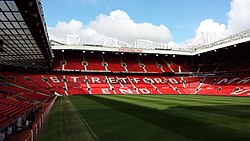
- Largest Stadium: Old Trafford, home of Manchester United.
- Global Reach: Manchester United is the most followed English club with 224.5 million followers.
- Women's Success: England won the UEFA Women's Euro 2022.
The Evolution of the Men's Game
Early Expansion and Wartime Challenges
The early 20th century saw the rapid expansion of the Football League. In the 1920–21 season, the league introduced a Third Division to increase representation south of Birmingham. By the 1923–24 season, this was further split into North and South sections, bringing the total number of league clubs to 88. While competitive football was suspended during the World Wars, an unofficial "Wartime Football league" operated between 1915 and 1919, though the FA Cup remained suspended until the conflict ended.
The Late 20th Century and Club Dominance
The 1980s were defined by the dominance of Liverpool, who won the league title six times and the FA Cup twice, including a double in 1986. They also secured four European Cup victories before the Heysel disaster. Meanwhile, Manchester City emerged as a powerful rival to Manchester United, winning the league in 1968 and the European Cup Winners' Cup in 1970.
The Premier League Era
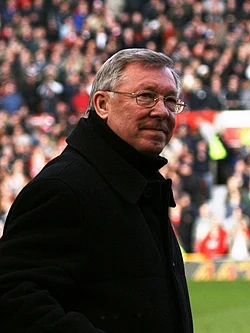
The landscape of English football shifted dramatically in 1992 with the formation of the Premier League. This era brought unprecedented commercial growth and global popularity. Manchester United became a dominant force during the first 20 years of the Premier League under the management of Alex Ferguson.
The English Football Pyramid
Professional and Semi-Professional Tiers
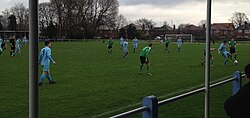
The English league system is a hierarchical structure. At the top is the Premier League, followed by the English Football League (EFL) and the National League. Promotion and relegation ensure movement between these tiers; for instance, the number of clubs promoted from the Conference to the Football League was increased to two in the 2002–03 season.
Amateur and Grassroots Football
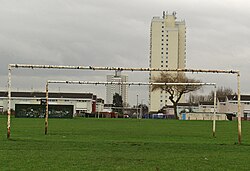
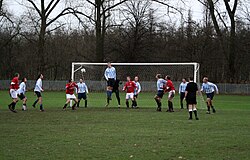
Beyond the professional ranks, amateur football remains vital. The Amateur Football Alliance (AFA) is the largest organized amateur competition, particularly in London. It governs leagues like the Arthurian League, which includes historic FA Cup winners such as the Old Etonians and Old Carthusians. Additionally, "Sunday league" football provides a popular amateur outlet, often played in public parks.
Major Cup Competitions
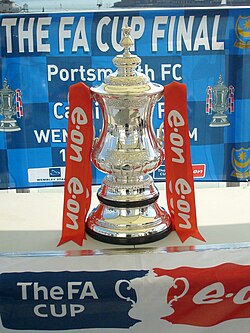
The FA Cup is the oldest national cup competition in the world, open to approximately 600 clubs across levels 1–10 of the pyramid. Other notable competitions include the EFL Trophy (currently the Vertu Trophy) for lower-league clubs and under-23 sides, and the FA Inter-League Cup (NLS Cup) for representative sides at level 11.
Cup Eligibility Summary
| Level | League(s) | FA Cup | EFL Cup | EFL Trophy | FA Trophy/Vase |
|---|---|---|---|---|---|
| 1 | Premier League | Yes | Yes | Academies | No |
| 2 | EFL Championship | Yes | Yes | Academies | No |
| 3-4 | EFL One & Two | Yes | Yes | Yes | No |
| 5-6 | National League | Yes | No | Yes | Yes |
| 7-10 | Various Regional | Yes | No | Yes | Yes |
Women's Football Development
The professionalization of women's football accelerated in 1993 when the FA assumed direct responsibility for the national team. This strategic shift led to the launch of the FA Women's Super League in 2011 and culminated in England winning the UEFA Women's Euro 2022.
Safety and Stadiums
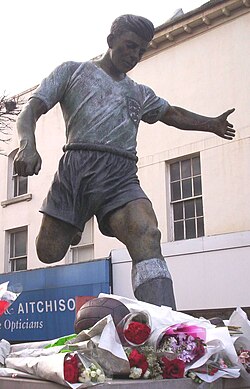
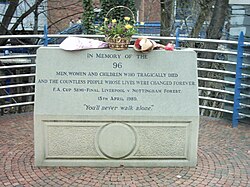
The history of English football has been marred by several tragedies, including the Burnden Park disaster (1946), the Munich air disaster (1958), the Bradford City stadium fire (1985), the Heysel Stadium disaster (1985), and the Hillsborough disaster (1989). These events, particularly Hillsborough, led to the modernization of English stadiums to improve safety.
Frequently Asked Questions
What is the oldest football tournament in the world?
The FA Cup, first staged in the 1871–72 season, is the oldest national cup competition in existence.
Which English club has the most global followers?
Manchester United is the most followed English club, with an estimated 224.5 million followers.
How does the UEFA Champions League qualification work for the Premier League?
Generally, the clubs finishing 1st through 4th in the Premier League qualify for the group stage, though the 4th place team may transfer to the UEFA Europa League depending on other results. The UEFA Champions League and Europa League winners also receive automatic entry.
When did the FA take over the women's national team?
The Football Association assumed direct responsibility for the England women's national team in 1993, which helped pave the way for the FA Women's Super League in 2011.
What is the "football pyramid"?
The football pyramid is the hierarchical structure of English football, ranging from the professional Premier League at the top down through the EFL, National League, and various regional amateur and county leagues.