First World War Railway Memorials and Sacrifices
The First World War brought about casualties on a scale never before seen, deeply impacting every sector of society. Among those most heavily affected were the railway workers. As the conflict escalated, thousands of railwaymen left their posts to join the armed forces, creating such a significant drain on manpower that railway companies were eventually forced to limit the number of employees permitted to enlist.
To support the war effort, the railways were placed under government control, transforming the network into a vital artery for military logistics. Modern estimates indicate that nearly 200,000 railwaymen served in the war, with more than 21,000 of them losing their lives.
Commemorating Heroes and Loss
During the conflict, railway companies sought ways to honor bravery and sacrifice. Several companies named their locomotives after war heroes. These included Marshal Joseph Joffre, the commander of French forces; Charles Fryatt, a captain of a railway-owned ship executed by the Germans; and Edith Cavell, a nurse executed for her role in helping prisoners of war escape.
Internal records were also used to track the human cost. Many companies maintained paper rolls of honour to list employees who had joined the forces or been killed. The Midland Railway, which saw a third of its workforce enlist or be conscripted, was particularly diligent; it produced a detailed pamphlet of employees who had joined by December 1914 and later published a comprehensive book of remembrance.
Architectural Tributes and Monuments
Following the war, railway companies collaborated to discuss how to commemorate their fallen, though they did not settle on a single consistent theme. This resulted in a diverse array of architectural and sculptural memorials across the United Kingdom.
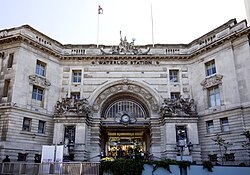
One of the most elaborate examples is the Victory Arch at London Waterloo station, commissioned by the London & South Western Railway to remember 585 of its employees who died in the war.
Other significant monuments were designed by the renowned architect Sir Edwin Lutyens, including the Midland Railway's cenotaph in Derby and the North Eastern Railway's memorial in York. Other notable tributes include the London and North Western Railway's obelisk at Euston station and the Great Central Railway's memorial at Sheffield Victoria station, which was unveiled in 1922.
Artistic approaches varied by company. The Great Western Railway commissioned war veteran Charles Sargeant Jagger to create a statue of a soldier reading a letter from home. Meanwhile, the Great Eastern Railway opted for a large marble memorial plaque at London's Liverpool Street station.
Key Facts
- Casualties: Over 21,000 railwaymen were killed during the First World War.
- Service: Approximately 200,000 railway employees served in the armed forces.
- Government Control: The railway network was placed under government control to prioritize the war effort.
- Major Memorials: Key sites include the Victory Arch (Waterloo), the Lutyens cenotaph (Derby), and the Jagger statue (Paddington).
- Remembrance: A massive service was held at St Paul's Cathedral on May 14, 1919, attended by King George V and 7,000 people.
Summary of Railway War Memorials
| Railway Company | Location | Date Unveiled | Type | Notable Detail |
|---|---|---|---|---|
| Great Northern Railway | London Kings Cross | 10 June 1920 | Wall tablet | Unveiled by Douglas Haig |
| London and North Western Railway | London Euston | 21 October 1921 | Monument | Architect: Reginald Wynn Owen |
| Midland Railway | Derby | 15 December 1921 | Monument | Architect: Edwin Lutyens |
| London and South Western Railway | London Waterloo | 21 March 1922 | Arch | Unveiled by Queen Mary |
| Great Western Railway | London Paddington | 11 November 1922 | Statue | Sculptor: Charles Sargeant Jagger |
| North Eastern Railway | York | 14 June 1924 | Monument | Architect: Edwin Lutyens |
Frequently Asked Questions
How many railway workers served and died in the First World War?
Modern estimates suggest that almost 200,000 railwaymen fought in the war, and over 21,000 of them were killed.
Who was the architect behind the memorials in Derby and York?
The renowned architect Sir Edwin Lutyens designed the Midland Railway's cenotaph in Derby and the North Eastern Railway's memorial in York.
What is the significance of the Victory Arch at London Waterloo?
Built by the London & South Western Railway, the Victory Arch is one of the most elaborate memorials, dedicated to the 585 employees of the company who died during the war.
How did railway companies honor individuals during the war?
Companies named locomotives after heroes such as Marshal Joseph Joffre, Charles Fryatt, and Edith Cavell, and maintained rolls of honour to list those who served or were killed.
Were there any large-scale public remembrance services?
Yes, a service was held on May 14, 1919, at St Paul's Cathedral, attended by King George V and over 7,000 people. A centenary service followed on November 6, 2019, at Southwark Cathedral.