Falkland Islands Sovereignty Dispute: A Comprehensive History
The sovereignty of the Falkland Islands (known in Spanish as Islas Malvinas) remains one of the most enduring territorial disputes in modern history. Located in the South Atlantic, this archipelago is the subject of a long-standing conflict between the United Kingdom and Argentina. While the UK has exercised de facto sovereignty—actual physical control—since 1833, Argentina maintains a claim based on succession from the Spanish Empire.
This dispute is not merely a matter of maps, but a complex intersection of colonial history, international law, and national identity that culminated in a full-scale war in 1982.
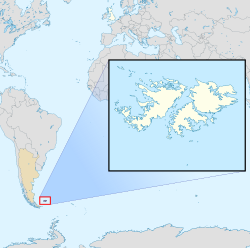
Key Facts
- Current Status: British Overseas Territory.
- Primary Claimants: United Kingdom and Argentina.
- Key Conflict: The Falklands War (April–June 1982).
- UK Basis: First recorded landing (1690) and continuous administration since 1833.
- Argentina Basis: Succession to Spanish sovereignty and effective occupation (1826–1833).
- International View: The US and EU recognize de facto British administration without taking a formal position on sovereignty.
Historical Timeline of Control
The islands have seen a rotating door of European and regional powers since the 18th century. Early attempts at settlement were often overlapping and contested.
Early European Settlements
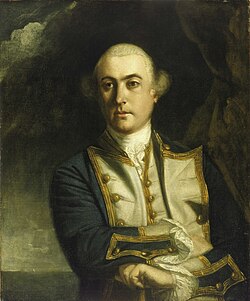
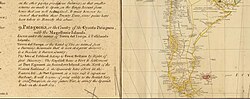
France established an early presence, followed by Great Britain and Spain. In 1767, Spain took control of Port Saint Louis, renaming it Puerto Soledad. By 1770, a Spanish expedition expelled the British from their colony at Port Egmont.

Despite the expulsion, a treaty signed on January 22, 1771, allowed the British to return to Port Egmont, though neither nation relinquished its claim to sovereignty.

The 19th Century Transition
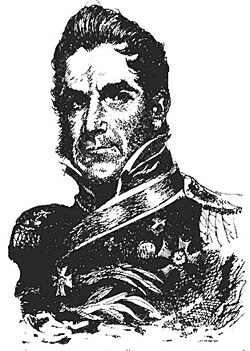
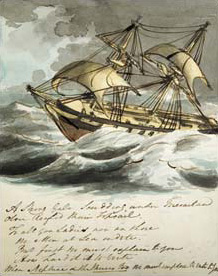
Following a period of withdrawal by both major powers, the islands entered a phase of instability. In 1829, the government of Buenos Aires appointed Luis Vernet as the Military and Civil Commander of the islands. However, this period was marked by chaos, including a raid by the American privateer Colonel Jewett.

The British returned in force in December 1832 and January 1833, removing Argentine authorities and establishing a control that has remained largely uninterrupted until the 1982 invasion.

The Falklands War of 1982
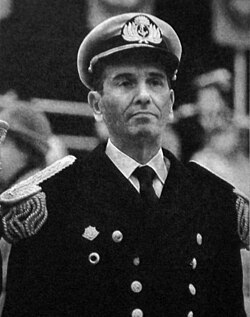
Tensions peaked in 1982 when Argentina, led by Leopoldo Galtieri, invaded the islands. This precipitated a swift and violent conflict with the United Kingdom, led by Prime Minister Margaret Thatcher.
The British response involved a massive naval Task Force. After recapturing South Georgia on April 25, British forces landed at San Carlos Bay on May 21. By June 14, 1982, Argentine forces surrendered, and control was restored to the UK.
Modern Claims and International Law
The Argentine Position
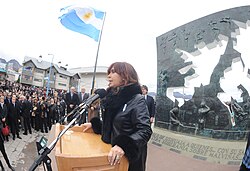
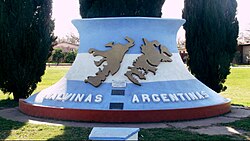
Argentina argues that the British seizure of the islands in 1833 was an illegal act of force. They base their claim on uti possidetis juris (as you possess under law), asserting they inherited the islands from Spain. This claim is formally enshrined in the 1994 amendment to the Argentine Constitution.
The British Position
The United Kingdom maintains that its sovereignty is non-negotiable. The UK emphasizes the right to self-determination for the islanders, arguing that the population's wishes should be the primary factor in determining the islands' future.
International Mediation
The United Nations has attempted to mediate the dispute. Resolution 2065, passed in 1965, invited both nations to negotiate a peaceful solution while considering the interests of the population. However, the UK has consistently ruled out sovereignty talks.
Summary of Sovereignty Claims
| Feature | United Kingdom Claim | Argentina Claim |
|---|---|---|
| Historical Basis | First recorded landing (1690) | Succession from Spain |
| Administrative Basis | Continuous control since 1833 | Effective occupation (1826–1833) |
| Legal Argument | Right to self-determination | Illegal "act of force" in 1833 |
| Constitutional Status | British Overseas Territory | Integral part of national territory |
Frequently Asked Questions
Who currently controls the Falkland Islands?
The United Kingdom exercises de facto control over the islands as a British Overseas Territory.
Why does Argentina claim the islands?
Argentina claims the islands based on their succession to Spanish sovereignty after independence and their occupation of the islands prior to the British return in 1833.
What was the result of the 1982 Falklands War?
The war ended in a British victory, resulting in the surrender of Argentine forces on June 14, 1982, and the restoration of British administration.
What is the UN's role in the dispute?
The UN has passed resolutions, such as Resolution 2065, calling for both nations to negotiate a peaceful solution, though the UK has declined to negotiate sovereignty.
How do other countries view the dispute?
The United States and the European Union generally recognize the UK's de facto administration but do not take a formal legal position on which country holds ultimate sovereignty.