Exploring the European Space Agency: A Legacy of Cosmic Discovery
Since its inception, the European Space Agency (ESA) has served as a cornerstone of international space exploration. By uniting various nations under a shared vision, ESA has pushed the boundaries of science, technology, and human presence in the cosmos. From launching sophisticated satellites to sending astronauts into orbit, the agency plays a vital role in understanding our universe and protecting our home planet.
Headquartered in Paris, France, ESA is a collaborative powerhouse. It operates through a complex network of specialized centers across Europe, ensuring that every mission—whether it is observing a distant star or monitoring Earth's climate—is backed by world-class expertise and infrastructure.
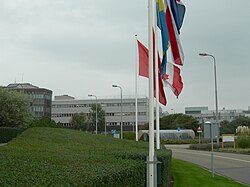
Key Facts
- Founded: 30 May 1975
- Headquarters: Paris, France
- Director General: Josef Aschbacher
- Member States: 23 members
- Primary Spaceport: Guiana Space Centre, Kourou, France
- Working Languages: English, French, and German
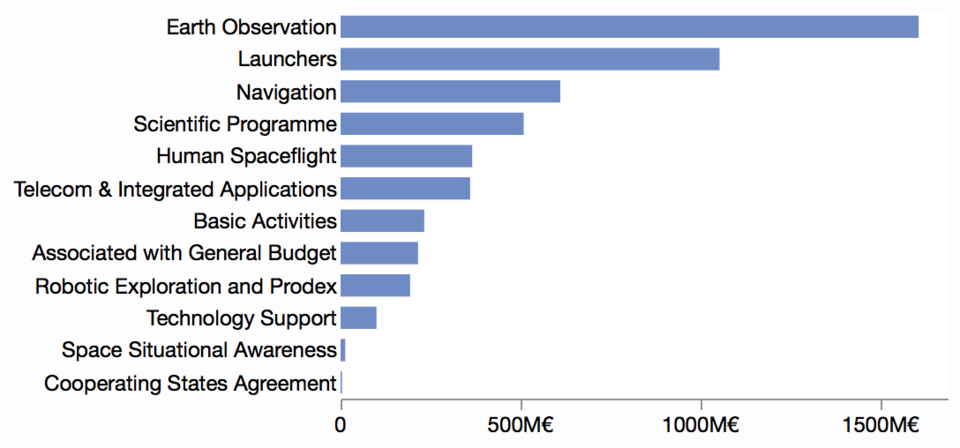
- 2026 Projected Budget: €8.26 billion
Organizational Structure and Facilities
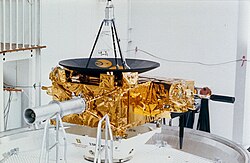
ESA is not a single monolithic entity but a distributed network of excellence. While the administrative heart is in Paris, the technical and operational heavy lifting occurs at specialized sites throughout Europe.
Core Research and Operations
The agency relies on several critical hubs to maintain its mission continuity:
- ESTEC (Noordwijk, Netherlands): The center for ESA science missions and technical testing.
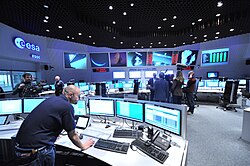
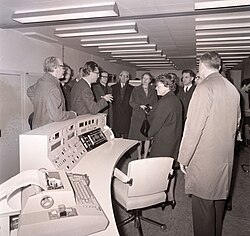
- ESOC (Darmstadt, Germany): The European Space Operations Centre, responsible for mission control.
- EAC (Cologne, Germany): The European Astronaut Centre, where astronauts undergo rigorous training.
- ESA Centre for Earth Observation (Frascati, Italy): Dedicated to monitoring our planet.
Specialized Centers
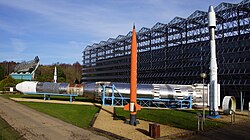
Beyond core operations, ESA maintains facilities for security, propulsion, and launch capabilities, including the Guiana Space Centre in French Guiana and the Esrange facility in Sweden. This infrastructure allows for a diverse range of activities, from high-altitude research to deep-space launches.
Major Programmes and Missions
ESA's work is divided into several strategic pillars, ranging from mandatory scientific research to optional commercial and technological development.
Science and Exploration
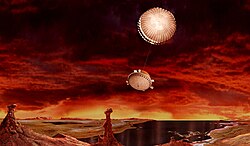
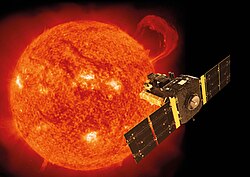
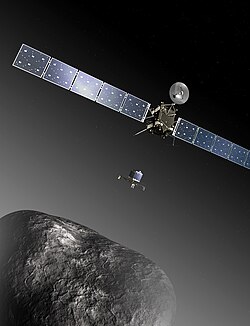
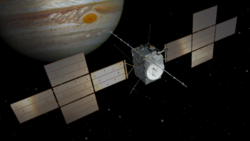
The Science Programme is a mandatory component of ESA, driving long-term research through initiatives like Cosmic Vision and Voyage 2050. These programmes facilitate groundbreaking missions such as the Solar and Heliospheric Observatory (SOHO) and the Rosetta mission, which famously included the Philae lander.
Launch Vehicles: The Engines of Discovery
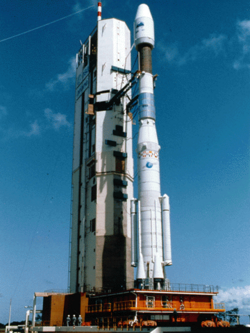
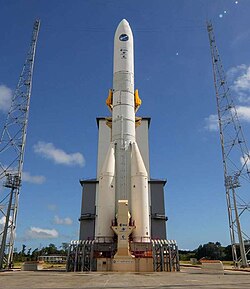
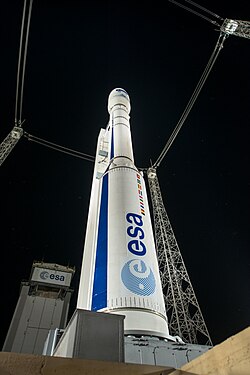
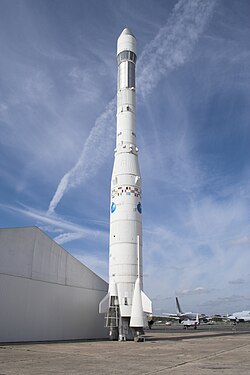
To reach space, ESA utilizes a family of highly capable rockets. The Ariane family has long been a staple of orbital launches, with the Ariane 6 representing the next generation of heavy-lift capability. Additionally, the Vega and Vega-C rockets provide essential services for smaller payloads and scientific missions.
Human Spaceflight and the ISS
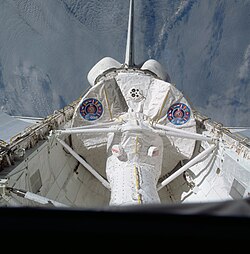
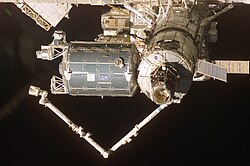
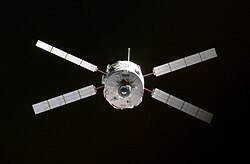
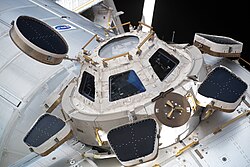
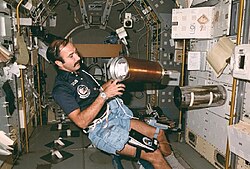
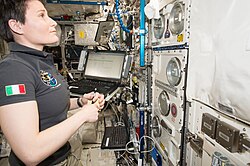
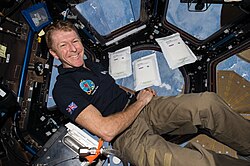
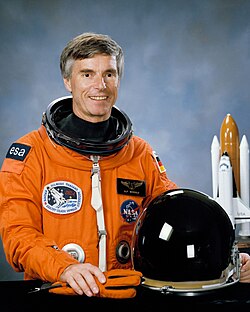
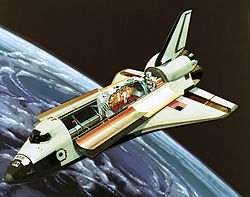
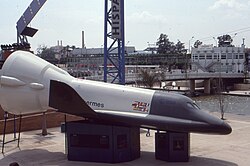
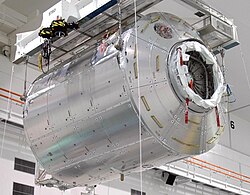
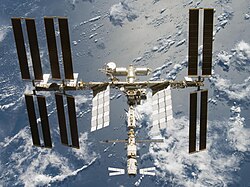
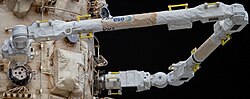
ESA is a key partner in the International Space Station (ISS). Through the Human Spaceflight and Exploration programme, the agency contributes vital modules like Columbus and provides essential logistics via the Automated Transfer Vehicle (ATV). European astronauts have become integral members of the international space community, conducting complex biological and physical experiments in microgravity.
The Rise of Small Satellites: CubeSats
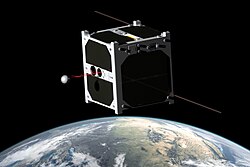
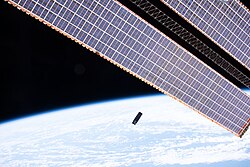
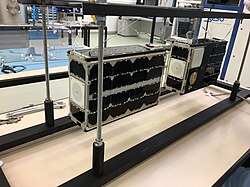
In recent years, ESA has embraced the "New Space" era by supporting the development of CubeSats—small, lightweight, and cost-effective satellites. Through programmes like Fly Your Satellite! (FYS), ESA provides educational opportunities for students and technical support for rapid innovation.
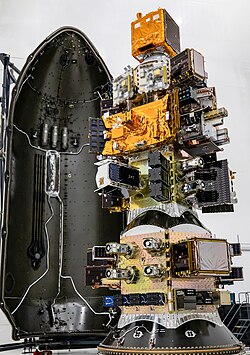
Notable CubeSat milestones include ESTCube-1, the first Estonian satellite, and various missions under the InCubed and General Support Technology Programme (GSTP). These small satellites are often deployed from the ISS or via rideshare missions, such as the SpaceX Transporter-15 mission.
Summary of ESA Capabilities
| Domain | Key Programmes/Vehicles | Primary Objective |
|---|---|---|
| Launchers | Ariane 6, Vega-C | Providing autonomous access to space. |
| Science | Cosmic Vision, Voyage 2050 | Exploring the fundamental laws of the universe. |
| Earth Observation | Copernicus, FutureEO | Monitoring climate and environmental changes. |
| Human Spaceflight | Terrae Novae, ISS Modules | Advancing human presence in space. |
| Navigation | Galileo, EGNOS | Providing precise positioning and timing. |
Frequently Asked Questions
What is the main purpose of the European Space Agency?
ESA is an intergovernmental organization dedicated to the exploration of space. Its purpose is to coordinate the efforts of its member states to advance science, technology, and telecommunications through space-based research and infrastructure.
How many countries are members of ESA?
As of the current records, ESA has 23 member states, including nations such as France, Germany, Italy, and the United Kingdom.
What are CubeSats?
CubeSats are a class of miniaturized satellites used for various scientific and technological demonstrations. They are much smaller and cheaper to produce than traditional large-scale satellites, making space more accessible to researchers and students.
Where does ESA launch its rockets?
The primary spaceport used by ESA is the Guiana Space Centre located in Kourou, French Guiana.
What is the difference between ESA and the European Union?
While they work closely together, ESA is an independent intergovernmental organization. The European Union is a political and economic union of member states. ESA focuses specifically on space activities and is not an agency of the EU, though they often collaborate on programmes like Copernicus.