European Languages: A Comprehensive Linguistic Map
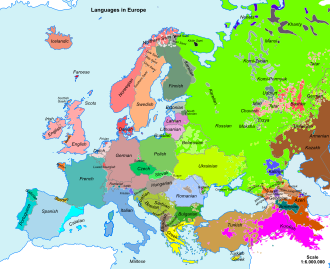
Europe is a mosaic of linguistic diversity, characterized by a complex interplay of ancient language families and evolving dialects. From the vast reach of the Indo-European group to the distinct Uralic and Turkic branches, the continent's speech patterns reflect centuries of migration, political shifts, and cultural exchange.
The majority of European languages belong to the Indo-European family, a massive group that encompasses most of the continent's national languages. However, several other significant families, such as Uralic and Turkic, provide critical linguistic markers for the eastern and northern regions.
Key Facts
- Indo-European is the dominant language family in Europe, including Germanic, Romance, Slavic, Celtic, Baltic, and Hellenic branches.
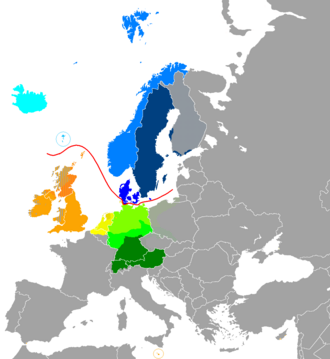
- Germanic languages are split into North Germanic (e.g., Swedish, Danish) and West Germanic (e.g., English, German, Dutch).
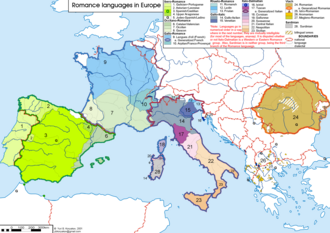
- Romance languages evolved from Latin and include major global languages like Spanish, French, and Italian.
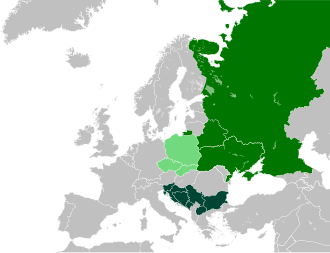
- Slavic languages are categorized into East (Russian, Ukrainian, Belarusian), West (Polish, Czech, Slovak), and South (Bulgarian, Serbo-Croatian) groups.
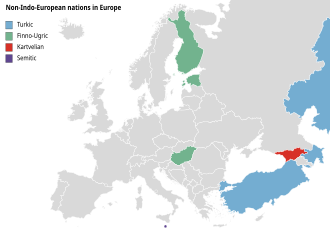
- Non-Indo-European languages in Europe include the Uralic (Finnish, Hungarian, Estonian) and Turkic families.
The Indo-European Family
The Indo-European family is the most widespread in Europe, branching into several distinct subgroups that define regional identities.
Germanic Languages
Germanic languages are divided into North and West branches. The West Germanic group includes English (with over 260 million speakers globally), German (approximately 97 million native speakers), and Dutch (approximately 24 million). Within German, there are significant regional variations such as High German, Low German, and specific dialects like Bavarian, Swabian, and Swiss German.
Romance Languages
Derived from the Italo-Dalmatian and Gallo-Romance branches, these languages dominate Southern Europe. Key examples include Spanish (approximately 47 million in Spain), French (approximately 81 million in France), and Italian (approximately 65 million). Other branches include the Occitano-Romance and Rhaeto-Romance groups.
Slavic Languages
Slavic languages are central to Eastern Europe and the Balkans. The East Slavic group is led by Russian (approximately 160 million globally), while the West Slavic group includes Polish (approximately 38.5 million) and Czech (approximately 10.6 million). South Slavic languages include Bulgarian (approximately 7.8 million) and Serbo-Croatian.
Celtic, Baltic, and Hellenic Branches
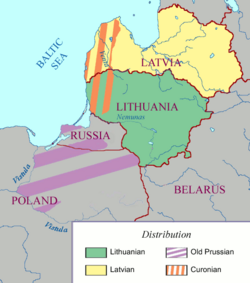
Smaller but culturally vital branches include the Celtic languages, split into Brittonic (Welsh, Breton, Cornish) and Goidelic (Irish, Scottish Gaelic). The Baltic branch consists primarily of Lithuanian and Latvian, while the Hellenic branch is represented by Greek.
Non-Indo-European Languages
While Indo-European languages are prevalent, several other families are native to the European landmass.
Uralic Languages
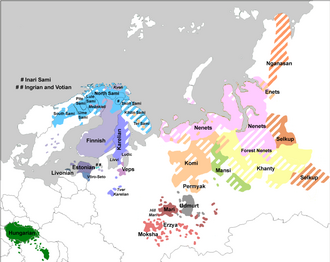
The Uralic family includes Finnish, Hungarian, and Estonian. These languages are structurally distinct from the Indo-European group and are primarily spoken in Northern and Central Europe.
Turkic and Semitic Languages
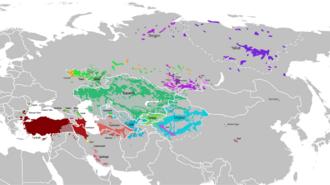
Turkic languages, such as Turkish and Azerbaijani, are prominent in the southeastern reaches of Europe and Western Asia. Additionally, Semitic languages, such as Maltese, are spoken in specific Mediterranean regions.
Other linguistic groups include various Caucasian languages in Georgia and Abkhazia, as well as various sign languages used across the European Union.
Linguistic Overview Table
| Language Family | Sub-group | Example Languages | Primary Regions |
|---|---|---|---|
| Indo-European | Germanic | English, German, Swedish | Northern/Western Europe |
| Indo-European | Romance | Spanish, French, Italian | Southern Europe |
| Indo-European | Slavic | Russian, Polish, Bulgarian | Eastern Europe/Balkans |
| Uralic | Finno-Ugric | Finnish, Hungarian, Estonian | Northern/Central Europe |
| Turkic | Oghuz | Turkish, Azerbaijani | Southeastern Europe |
The diversity of these languages is further reflected in the various writing systems used across the continent, from the Latin alphabet to Cyrillic and Greek scripts.
Frequently Asked Questions
What is the most spoken language family in Europe?
The Indo-European family is the most spoken, encompassing the Germanic, Romance, Slavic, Celtic, Baltic, and Hellenic branches.
Which languages belong to the Uralic family?
The primary Uralic languages spoken in Europe are Finnish, Hungarian, and Estonian.
What are the three main branches of Slavic languages?
Slavic languages are divided into East Slavic (e.g., Russian), West Slavic (e.g., Polish), and South Slavic (e.g., Bulgarian).
What is the difference between North and West Germanic languages?
North Germanic languages include Swedish, Danish, and Norwegian, while West Germanic languages include English, German, and Dutch.
Are there non-Indo-European languages native to Europe?
Yes, the Uralic and Turkic families are native to parts of Europe, and Semitic languages like Maltese are also present.