Escherichia coli: Biology, Genomics, and Applications in Biotechnology
Escherichia coli, commonly known as E. coli, is a Gram-negative bacterium that serves as one of the most studied organisms in scientific history. While often associated with foodborne illness or urinary tract infections, the majority of E. coli strains are harmless commensals that reside in the intestines of healthy humans and animals. Its versatility, rapid growth, and well-mapped genome have made it the gold standard model organism for molecular biology and biotechnology.
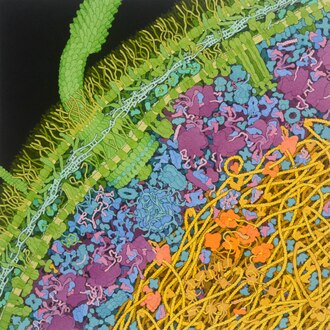
From a structural perspective, E. coli possesses a characteristic two-membrane cell wall. This includes an inner cytoplasmic membrane and an outer membrane containing lipopolysaccharide chains, with a network of cross-linked peptidoglycan strands situated between them. Its genetic material is organized into a loosely defined region called the nucleoid.
Key Facts
- Classification: A member of the family Enterobacteriaceae and the class Gammaproteobacteria.
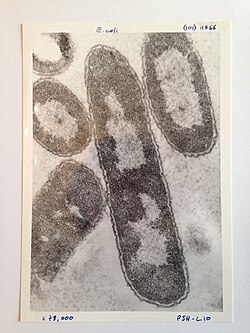
- Morphology: A Gram-negative, rod-shaped bacterium.
- Habitat: Primarily found in the lower intestines of warm-blooded organisms.
- Scientific Utility: Used extensively as a chassis for recombinant protein production and biological computing.
- Diversity: Exists in numerous phylogroups, ranging from harmless commensals to potent pathogens.
Biological Structure and Growth
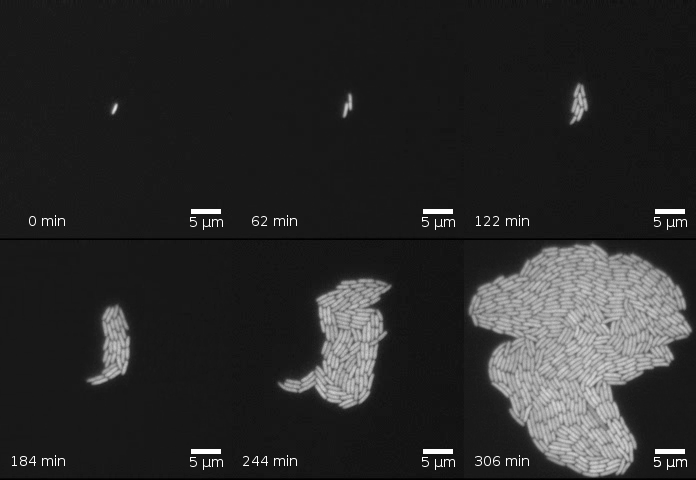
The physical form of E. coli is optimized for rapid proliferation. The bacterium reproduces through binary fission, a process of successive division that allows populations to expand exponentially under favorable conditions.
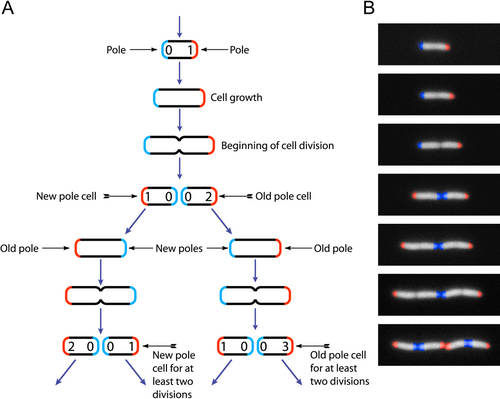
In laboratory settings, E. coli is prized for its ability to grow on basic cultivation media, making it accessible for large-scale research and industrial applications.
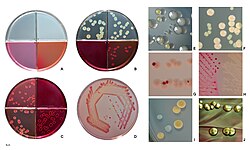
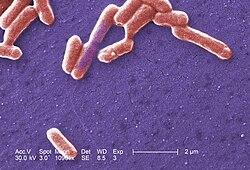
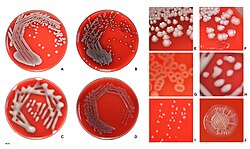
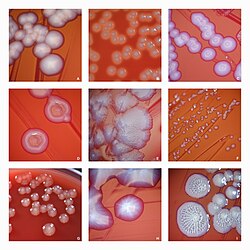
Under a microscope, colonies of E. coli exhibit distinct growth patterns, which can be further analyzed using scanning electron microscopy or specialized agar, such as sheep blood agar, to observe phenotypic characteristics.
Metabolism and Adaptation
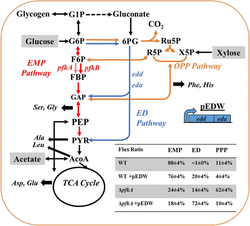
The metabolic flexibility of E. coli is a cornerstone of its survival. It utilizes various glucose catabolic pathways, including the Embden-Meyerhof-Parnas (EMP), Entner-Doudoroff (ED), and Pentose Phosphate (OPP) pathways. By redistributing fluxes between these pathways—such as through the knockout of specific genes like pfkA—scientists can manipulate the bacterium's energy production for industrial use.
Genomics and Diversity
The E. coli genome is highly plastic, meaning it can evolve and adapt rapidly. This plasticity has led to the emergence of diverse strains and serotypes. While many are commensal, others have evolved into pathogens, such as those causing urinary tract infections (UTIs) or severe enteric diseases.
Researchers often use specific strains for different purposes. The K-12 strain and its derivatives (such as DH10b and MG1655) are widely used in molecular biology due to their high competency for taking up foreign DNA. In contrast, other groups like B2 and D include strains that are extracellularly pathogenic.
The Proteome and Interactome
Beyond the genome, the study of the proteome (the entire set of proteins expressed by a cell) and the interactome (the network of protein-protein interactions) has provided deep insights into how E. coli functions. This includes understanding post-translational modifications (PTMs) that alter protein function after synthesis.
Applications in Science and Medicine
E. coli is more than a subject of study; it is a tool. In biotechnology, it is used to produce recombinant therapeutics, such as human growth hormone, by inserting human genes into the bacterial DNA.
Recent advancements have pushed the boundaries of the organism's utility into biological computing, where engineered E. coli cells are used to solve complex problems, such as navigating a maze, by sharing computational work across a colony.
In medicine, while some strains cause disease, others are therapeutic. For example, the nonpathogenic strain Nissle 1917 is used as a probiotic to treat conditions like colitis.
Vulnerability to Phages
Despite its resilience, E. coli is susceptible to bacteriophages—viruses that specifically infect bacteria. The T4 phage is a well-known example that attaches to the cell surface and injects its DNA to hijack the bacterial machinery.
![Helium ion microscopy image showing T4 phage infecting E. coli. Some of the attached phage have contracted tails indicating that they have injected their DNA into the host. The bacterial cells are ~ 0.5 μm wide.[114]](/images/ce/0d/ce0d40726e6dde32089e7a5020db4517b6ace054eb70e46fa3ad580f24da571a.jpg)
Summary of E. coli Characteristics
| Feature | Description |
|---|---|
| Cell Wall Type | Gram-negative (Double membrane) |
| Reproduction | Binary Fission |
| Primary Habitat | Mammalian lower intestine |
| Key Lab Strains | K-12 derivatives (e.g., MG1655, DH10b) |
| Industrial Use | Recombinant protein production, Biocomputing |
Frequently Asked Questions
Is all E. coli dangerous to humans?
No. Most E. coli strains are harmless commensals that live in the gut. Only specific pathogenic strains cause illness, such as those leading to UTIs or food poisoning.
Why is E. coli used so often in laboratories?
It is used because it grows quickly, is easy to cultivate on basic media, and has a well-understood genome that is easy to manipulate for genetic research.
What is the difference between a commensal and a pathogenic strain?
Commensal strains live in harmony with the host without causing harm. Pathogenic strains possess specific virulence factors—often acquired through genome plasticity—that allow them to cause disease.
How do scientists use E. coli for medicine?
Scientists use E. coli as a biological factory to produce essential medicines, such as recombinant human growth hormone, by inserting the necessary human genes into the bacterium.
What is the K-12 strain?
The K-12 strain is a non-pathogenic lineage of E. coli that has been optimized for molecular biology, making it highly efficient for cloning and protein expression.