Egg Incubation: How Different Species Develop Embryos
Egg incubation is the critical biological process where an embryo develops inside an egg after it has been formed and released by an oviparous (egg-laying) animal. For a successful hatch, the embryo requires specific environmental conditions, which are typically provided through brooding—the act of a parent protecting and warming the eggs.
While the goal is always the same—the emergence of healthy offspring—the methods and requirements vary wildly across the animal kingdom. From the precise temperature needs of birds to the environmental triggers of reptiles, incubation is a diverse evolutionary strategy.
Key Facts
- Temperature Control: In birds, constant temperature is vital, whereas in some reptiles, temperature determines the sex of the offspring.
- Avian Diversity: Birds use various heat sources, including body heat, rotting vegetation (megapodes), and solar heat (crab plovers).
- Incubation Duration: Bird incubation periods range from 11 days in small passerines to 85 days in the brown kiwi and wandering albatross.
- Mammalian Rarities: Only monotremes, such as the platypus and echidna, lay eggs.
- Calcium Recycling: Developing bird embryos dissolve the inner shell layers to incorporate calcium carbonate into their skeletons.
Avian Incubation Strategies
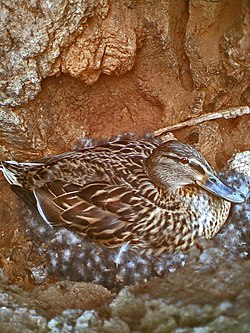
Birds exhibit a vast array of incubation habits. Most rely on a brooding patch—a featherless area of skin on the parent's underside—to transfer body heat directly to the eggs. However, some species have evolved unique alternatives. Megapodes create large compost heaps of rotting vegetable material to generate heat, while crab plovers utilize the sun.
Environmental factors beyond heat are equally important. Humidity must be carefully maintained; if the air is too dry, the egg loses excessive water through evaporation, which can prevent hatching. As the embryo grows, the egg becomes lighter and the internal air space expands.
Parental Roles and Behaviors
The responsibility of incubation is divided differently across species. In some, such as the Atlantic canary and Indian robin, the female handles all duties. In others, like the cassowary, only the male incubates. Some species, including the whooping crane, share the duty by taking turns. Interestingly, some birds, like the great tit, move eggs within the clutch to ensure they are heated homogeneously.
Timing and Development
The incubation period—the time from the start of uninterrupted warming to hatching—varies by size and nesting habit. Smaller birds generally hatch faster, while cavity-nesting birds often have longer periods. The process can be physically taxing; adult albatrosses may lose up to 83g of body weight daily. In most cases, development is suspended until incubation begins, allowing some species to store eggs at temperatures below 5°C for up to two weeks.
| Bird Species | Incubation Period (Days) |
|---|---|
| Canary | 13 |
| Pigeons | 16–19 |
| Coturnix Quail | 16–18 |
| Chicken | 21 |
| Pheasant | 24–26 |
| Scarlet Macaw | 26 |
| Duck | 28 (Muscovy: 35) |
| Turkey | 28 |
| Goose | 28–33 |
| Swan | 35 |
| Ostrich | 42 |
Incubation in Other Vertebrates
Mammals
The platypus and echidna are the only living mammals that lay eggs. In the platypus, development begins in utero for about 28 days, followed by roughly 10 days of external incubation where the female curls around the eggs. This process occurs in three phases: initial yolk absorption, digit development, and finally, the appearance of the egg tooth.
Reptiles
Reptilian incubation is highly varied. Sea turtles bury eggs in beach sand to maintain a constant temperature and hide from predators. Some snakes use communal burrows or coil their bodies around eggs for warmth. Alligators and crocodiles utilize holes in the ground or mounds of decomposing vegetation.
Amphibians and Fish
While most fish do not incubate, some practice mouthbrooding. Amphibians show remarkable diversity: the female Ensatina salamander massages eggs with her throat, while the Surinam toad uses skin pouches. The male Darwin's frog carries eggs in his mouth, and the Australian stomach-brooding frog develops eggs within her stomach.
Invertebrate Brooding
Brooding also occurs in invertebrates, where fertilized eggs are kept inside or on the surface of the parent. This behavior is observed in various groups, including sea anemones, corals, cephalopods, starfish, and many arthropods.
Frequently Asked Questions
What is broodiness in poultry?
Broodiness is the behavioral tendency of a bird to sit on a clutch of eggs to incubate them. In many commercial poultry breeds, this trait has been selectively bred out to increase egg production.
How does temperature affect reptile offspring?
Unlike birds, where sex is genetically determined, the sex ratio of offspring in many reptile species is determined by the temperature of the incubation environment.
What is the longest uninterrupted incubation period in birds?
The emperor penguin holds the record for the longest uninterrupted incubation period, lasting between 64 and 67 days.
How do megapodes incubate their eggs without body heat?
Megapodes use heat generated from the decomposition of vegetable material, effectively creating a large compost heap to warm their eggs.
Do all mammals give birth to live young?
No. Monotremes, which include the platypus and the echidna, are the only living mammals that lay eggs.