Edward VII: The Life and Reign of the Uncle of Europe
Edward VII served as the King of the United Kingdom and the British Dominions, and the Emperor of India, from January 22, 1901, until his death in 1910. Born into the House of Saxe-Coburg and Gotha, he spent decades as the heir apparent during the long reign of his mother, Queen Victoria. Known for his diplomatic tact and cosmopolitan nature, Edward VII transitioned the British monarchy from the strict Victorian era into the more fluid Edwardian period.
Key Facts
- Reign: January 22, 1901 – May 6, 1910.
- Full Name: Albert Edward.
- Parents: Queen Victoria and Prince Albert of Saxe-Coburg and Gotha.
- Spouse: Alexandra of Denmark.
- Coronation: August 9, 1902.
- Imperial Durbar: January 1, 1903.
Early Life and Path to the Throne
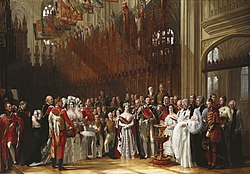
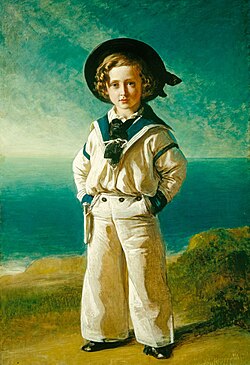
Born on November 9, 1841, at Buckingham Palace, Albert Edward was groomed from birth for the responsibilities of kingship. As the eldest son of Queen Victoria and Prince Albert, his education and early adulthood were carefully managed to prepare him for his eventual role as sovereign.
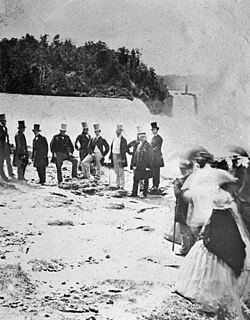
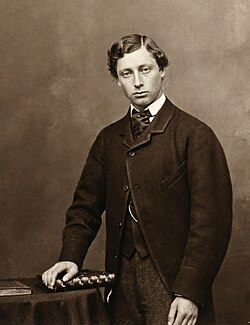
During his time as the Prince of Wales, Edward became a well-known figure in international society, traveling extensively and building relationships with various European royals. His travels included a notable visit to Niagara Falls in 1860, reflecting his curiosity and desire to see the world beyond the confines of the British court.
Marriage and Family
Edward's personal life was marked by his marriage to Alexandra of Denmark. Their engagement was finalized in Belgium on September 9, 1862, and they were wed at St George's Chapel, Windsor Castle, on March 10, 1863. At the time of the wedding, Edward was 21 and Alexandra was 18.
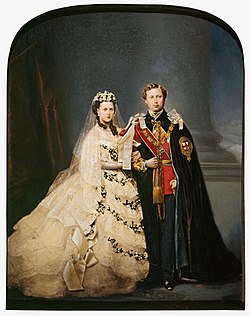
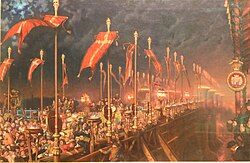
The couple had several children, including their eldest son, Prince Albert Victor, and their second son, George V, who would eventually succeed Edward VII. Their daughters included Louise, Princess Royal; Princess Victoria; and Princess Maud, who became the Queen of Norway.
The Reign of King Edward VII
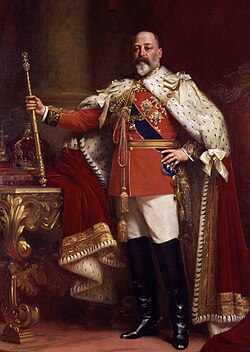
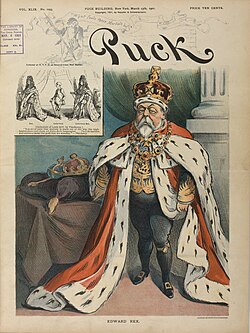
Upon ascending the throne in 1901, Edward VII brought a different energy to the monarchy. He was often referred to as the "Uncle of Europe" due to his close familial ties and diplomatic connections across the continent. His reign was characterized by a focus on foreign policy and the modernization of the royal image.
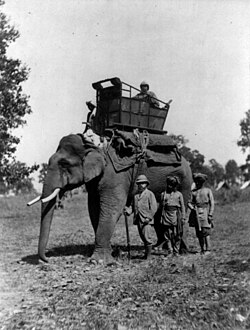
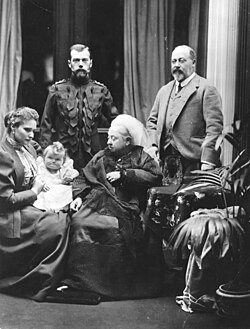
His diplomatic efforts were extensive, as seen in his relationships with other monarchs, including Tsar Nicholas II of Russia and Kaiser Wilhelm II of Germany. These connections were central to his political personality, which historians have praised for its effectiveness in navigating the complex geopolitical landscape of the early 20th century.
Public Image and Honors
Edward VII was a man of many interests and held numerous honorary titles. He was a Fellow of the Royal Society and a member of the Privy Council. He also founded several prestigious orders, including the Order of Merit and the Imperial Service Order in 1902.
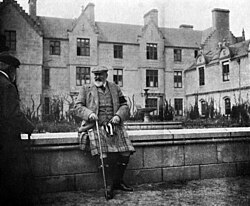
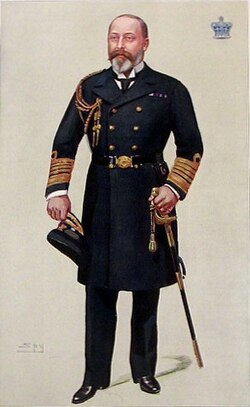
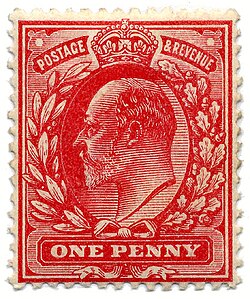
His international standing was reflected in the vast array of foreign honors he received, ranging from the Knight of the Golden Fleece in Spain to the Grand Cordon of the Order of the Chrysanthemum in Japan.
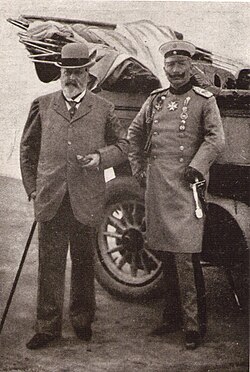
Military Appointments and Legacy
Beyond his civilian role, Edward VII held various honorary military positions. He served as a Field Marshal of the German Army and held honorary colonelcies in several regiments, including the Danish Guard Hussar Regiment.
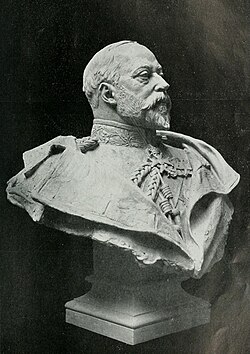
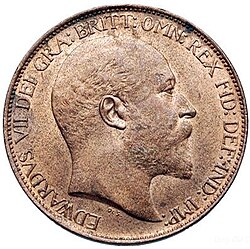
![Edward VII wearing the Order of the Star of India. He became an extra knight of the order in 1861, while Prince of Wales.[149] Portrait by Alfred James Downey.](/images/13/4c/134c4ada636cf01cb72ef2d3da7e5b67a3abef47855911765e7526cc0280ba8f.png)
![Armorial achievement of the Spanish Army 62nd Regiment of Infantry "Arapiles". King Edward's cypher and the name of the British Army unit that played a prominent role in the Battle of Salamanca were added at the beginning of the Peninsular War Centenary (1908).[165]](/images/a5/4f/a54f632c813f0a9dbb97336f1eff9d77c8293fe6e16ccaece33b5f4b6651d3ac.webp)
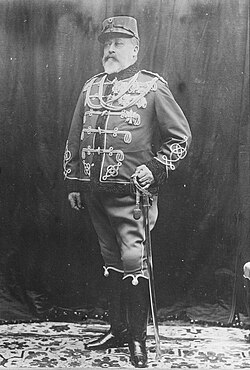
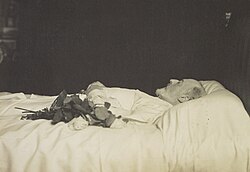
His legacy is one of transition. He moved the monarchy away from the secluded nature of the late Victorian era toward a more public-facing and diplomatically active role. He passed away on May 6, 1910, at Buckingham Palace at the age of 68.
Summary of Royal Profile
| Category | Details |
|---|---|
| House | Saxe-Coburg and Gotha |
| Predecessor | Queen Victoria |
| Successor | George V |
| Religion | Protestant |
| Burial Site | St George's Chapel, Windsor Castle |
Frequently Asked Questions
When was Edward VII crowned?
Edward VII's coronation took place on August 9, 1902.
Who was the spouse of Edward VII?
He was married to Alexandra of Denmark, whom he wed on March 10, 1863.
Why was he called the "Uncle of Europe"?
He earned this nickname because of his extensive family connections and close relationships with various royal houses across Europe.
Which of his children became King?
His second son, George V, succeeded him as King of the United Kingdom.
What was the date of his Imperial Durbar?
The Imperial Durbar was held on January 1, 1903.