Ecosystems: The Complex Interplay of Life and Environment
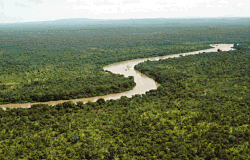
An ecosystem is a dynamic system formed by organisms interacting with their physical environment. Within these systems, living components and non-living elements are intricately linked through continuous energy flows and nutrient cycles. From the depths of the ocean to the vastness of terrestrial forests, ecosystems represent the fundamental functional units of our planet's biosphere.
Key Facts
- Biotic factors include all living organisms, such as plants and animals.
- Abiotic factors are non-living components, such as soil, sunlight, and water.
- Primary production is driven by plants using photosynthesis to convert energy.
- Decomposers facilitate nutrient cycling by breaking down dead organic matter.
- Ecological resilience is the capacity of a system to absorb disturbances while maintaining its core functions.
The Building Blocks: Biotic and Abiotic Components
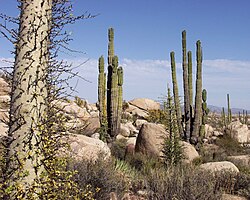
To understand how an ecosystem functions, one must distinguish between its two primary components. Biotic factors are the living entities within the system, including plants, animals, and microbes. Abiotic factors are the non-living elements, such as soil, temperature, and minerals, that provide the necessary environment for life to exist.
The interaction between these components is what defines the system. For example, plants (biotic) utilize sunlight and soil nutrients (abiotic) to perform photosynthesis, the process of converting light energy into chemical energy. This energy is then transferred through the system as animals feed on plants and one another, driving the movement of matter and energy.
Energy Flow and Primary Production
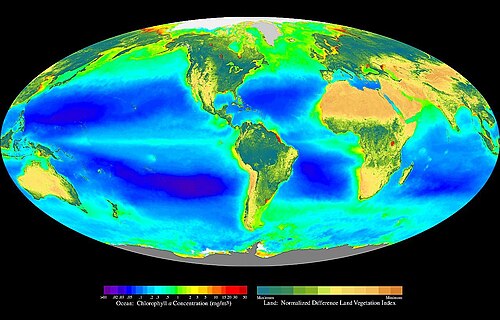
Energy enters most ecosystems through primary producers. By building up plant tissue, these organisms establish the foundation of the food web. The total amount of energy captured by these producers is a critical measure of the system's potential. While biomass can serve as a rough indicator, it is not a direct measurement of total primary production.
Nutrient Cycling and Decomposition
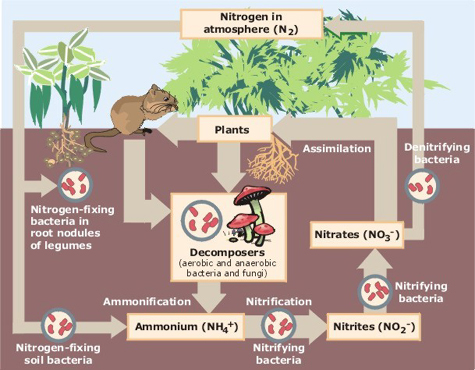
While energy flows through a system and is eventually lost, nutrients are recycled. Decomposers play a vital role in this process. By breaking down dead organic matter, they release carbon back into the atmosphere and convert nutrients stored in dead biomass into forms that plants and microbes can readily reuse.

System Dynamics: Resistance and Resilience
Ecosystems are not static; they are dynamic and constantly subject to periodic disturbances. They are governed by two types of factors:
- External factors: Elements like climate control the structure of an ecosystem but are not influenced by the ecosystem itself.
- Internal factors: Processes such as decomposition, species competition, shading, and succession (the process of change in species structure over time) control and are controlled by the ecosystem.
A system's ability to handle these changes is measured by two concepts: resistance, which is the tendency to remain close to an equilibrium state, and ecological resilience, which is the capacity to absorb a disturbance and reorganize while retaining the same essential functions and identity.
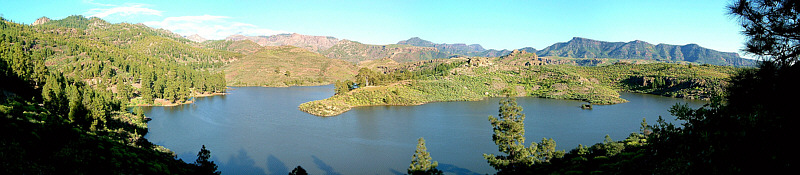
![Loch Lomond in Scotland forms a relatively isolated ecosystem. The fish community of this lake has remained stable over a long period until a number of introductions in the 1970s restructured its food web.[31]](/images/84/fa/84fa80293fa9ae43453263dcc5e9676534906b6ead75e3026c91b991ed0cd39b.jpg)
Ecosystem Classifications and Types
Ecologists study ecosystems through various lenses, including long-term monitoring, theoretical studies, and direct experimentation. While the term biome is often used to categorize general classes of ecosystems, there is no rigid distinction between the two. Ecosystem classifications specifically consider the biotic component, the abiotic complex, their interactions, and the physical space they occupy.
| Category | Examples |
|---|---|
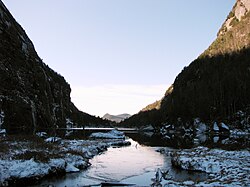
| Aquatic | Lakes (lentic), Rivers (lotic), Marine, Freshwater |
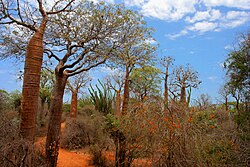
| Terrestrial | Boreal, Montane, Desert, Rainforest |
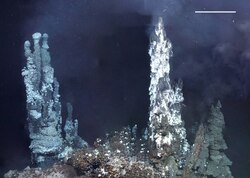
| Specialized | Urban, Agroecosystems, Groundwater-dependent |
Human Impact and Ecosystem Services
The Millennium Ecosystem Assessment, a synthesis by over 1,000 scientists, highlights that human activity is significantly impacting global biodiversity. This impact reduces both the resilience and biocapacity of our natural systems. These systems act as humanity's "life-support system," providing four major categories of services:
- Provisioning services: Products obtained from ecosystems.
- Regulating services: Benefits obtained from the regulation of ecosystem processes.
- Cultural services: Non-material benefits like spiritual or recreational values.
- Supporting services: Services necessary for the production of all other services.
The assessment of 24 ecosystem services revealed a concerning trend: only four have improved over the last 50 years, while 15 are in serious decline and five remain in a precarious condition.
Frequently Asked Questions
What is the difference between biotic and abiotic factors?
Biotic factors are the living components of an ecosystem, such as plants, animals, and bacteria. Abiotic factors are the non-living physical and chemical elements, such as sunlight, soil, water, and climate.
How do nutrients move through an ecosystem?
Nutrients move through cycles facilitated by decomposers. Decomposers break down dead organic matter, releasing nutrients back into the soil or atmosphere in forms that can be reused by primary producers like plants.
What is ecological resilience?
Ecological resilience is the ability of an ecosystem to absorb a disturbance—such as a fire or flood—and reorganize so that it retains essentially the same function, structure, and identity.
What are ecosystem services?
Ecosystem services are the various benefits that humans derive from natural ecosystems, categorized into provisioning, regulating, cultural, and supporting services.
What is the difference between a biome and an ecosystem?
While often used interchangeably, biomes are general categories or classes of ecosystems. Ecosystem classifications are more specific, accounting for the biotic components, abiotic complexes, their interactions, and the physical space they occupy.