Echinoderms: The Fascinating World of Spiny-Skinned Marine Animals
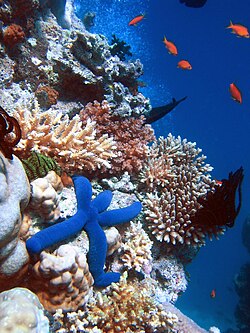
From the shallow intertidal zones to the crushing pressures of the abyssal depths, echinoderms are some of the most distinctive creatures in the ocean. These marine invertebrates are defined by their unique body plans and a biological engineering marvel known as the water vascular system. With a fossil record stretching back to the Cambrian Stage 3, they have survived and diversified over millions of years to occupy nearly every marine habitat on Earth.
The phylum Echinodermata is characterized by a striking transition in symmetry. While their larvae are bilaterally symmetric (having a left and right side), adults typically exhibit pentaradiality, a form of radial symmetry based on five parts. This evolutionary adaptation allows them to interact with their environment from all directions equally.
Key Facts
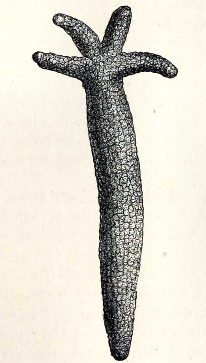
- Species Diversity: Approximately 10,500 extant (living) species and 13,000 known extinct species.
- Habitat: Exclusively marine, ranging from shallow coasts to the deep ocean.
- Defining Feature: A unique water vascular system used for locomotion, feeding, and respiration.
- Symmetry: Bilateral symmetry in larvae; five-part radial symmetry in adults.
- Temporal Range: Present from the Cambrian Stage 3 to the present day.
Classification and Diversity
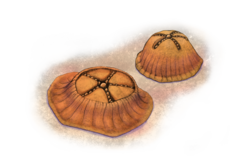
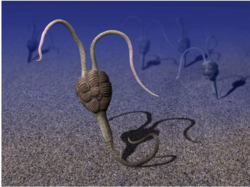
Echinoderms are divided into five primary extant classes, each with distinct morphological traits and ecological roles. These include the starfish, brittle stars, sea urchins, sea cucumbers, and feather stars.
| Class | Common Names | Approximate Species | Key Characteristics |
|---|---|---|---|
| Asteroidea | Starfish | 1,900+ | Star-shaped body with regenerative arms |
| Ophiuroidea | Brittle Stars | ~2,300 | Slender, flexible arms; distinct central disk |
| Echinoidea | Sea Urchins, Sand Dollars | ~900 | Globular or disk-shaped; often covered in spines |
| Holothuroidea | Sea Cucumbers | ~1,430 | Elongated, leathery body; burrowing capabilities |
| Crinoidea | Feather Stars, Sea Lilies | ~580 | Feathery arms used for filter feeding |
Anatomy and Biological Systems
The Water Vascular System
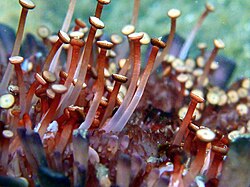
The most defining characteristic of the phylum is the water vascular system. This hydraulic network consists of a ring canal that branches into radial canals, which in turn lead to small bulbs called ampullae and extend into tube feet. By manipulating water pressure, echinoderms can extend and retract these feet to move, grip surfaces, and capture prey.
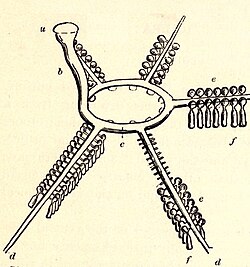
This system is not only for movement; it is essential for gas exchange and sensory perception. For example, sea urchins and starfish use their tube feet to navigate complex reef environments.
Skeleton and Defense
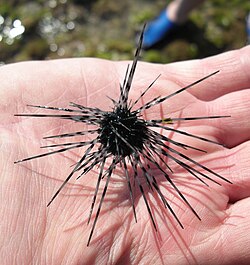
Echinoderms possess an endoskeleton made of calcareous ossicles (small bony plates). In sea urchins, these plates fuse to form a rigid test, often adorned with sharp spines that serve as a primary defense against predators.
Regeneration and Reproduction
Many echinoderms possess an extraordinary ability to regenerate lost body parts. Some starfish can regrow an entire arm, and in certain species, a severed arm can even grow into a completely new individual.
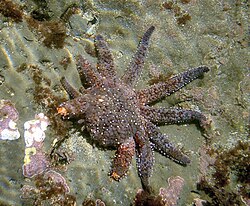
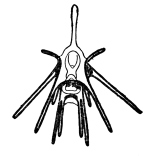
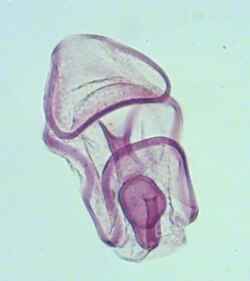
Reproduction occurs both sexually and asexually. Sexual reproduction typically involves the release of gametes into the water. The resulting larvae, such as the echinopluteus or bipinnaria, are free-swimming and bilaterally symmetric before metamorphosing into the radial adult form.
Ecological Roles and Human Interaction
Echinoderms play vital roles in marine ecosystems. Sea cucumbers, for instance, act as the "vacuum cleaners" of the ocean floor, using peristaltic movements to burrow and process organic matter from the sediment.
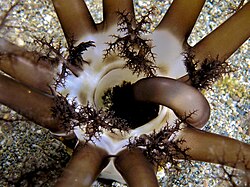
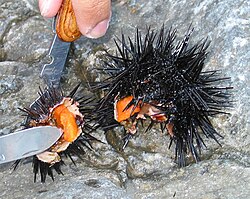
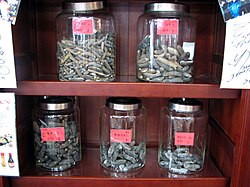
Humans have utilized echinoderms for millennia. Sea urchins are prized as a food source, particularly for their eggs (gonads), while sea cucumbers are used in traditional Chinese medicine and as a culinary delicacy.
Frequently Asked Questions
How do echinoderms move without a brain?
Echinoderms lack a centralized brain. Instead, they rely on a decentralized nerve net and the hydraulic pressure of their water vascular system to coordinate the movement of their tube feet.
Can all starfish regenerate their arms?
While regeneration is widespread across the phylum, the capacity varies by species. Some can regrow a single limb, while others can regenerate their entire body from a small fragment of a central disk and an arm.
What is the difference between a starfish and a brittle star?
Starfish (Asteroidea) generally have thicker arms that blend into the central disk and use suction-cup tube feet. Brittle stars (Ophiuroidea) have a very distinct central disk and long, whip-like arms that move with a more serpentine motion.
Are echinoderms found in freshwater?
No, all known species of echinoderms are exclusively marine. They cannot survive in freshwater environments.
What is the purpose of the spines on a sea urchin?
Spines serve multiple purposes: they protect the animal from predators, help it wedge itself into crevices for stability, and in some species, assist in movement or feeding.