Easter Island: The History, Culture, and Mysteries of Rapa Nui
Located in the vast expanse of the Pacific Ocean, Easter Island—known natively as Rapa Nui—is one of the most remote inhabited places on Earth. A special territory of Chile, this volcanic island is world-renowned for its enigmatic monolithic statues and a complex history of isolation, resilience, and cultural evolution.
From its origins as a Polynesian settlement to its current status as a UNESCO World Heritage Site, Rapa Nui offers a profound look at how human societies adapt to extreme environments. Today, the island is governed as a municipality with its seat in Hanga Roa, blending traditional indigenous customs with modern Chilean administration.
![Easter Island or Rapa Nui and Salas y Gómez Island, Chile, its territorial waters and its extended continental shelf.[92]](/images/6a/fd/6afd4fd21fa25dae57a3d5685dac745ef9d017595a3d64f04e346941c749d82c.png)
Key Facts
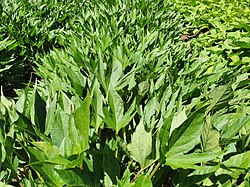
- Official Names: Easter Island (English), Isla de Pascua (Spanish), Rapa Nui (Native).
- Location: A special territory, province, and commune of Chile in the Valparaíso Region.
- Population: Approximately 7,750 people (2017 census).
- UNESCO Status: Inscribed as a World Heritage Site in 1995.
- Primary Languages: Spanish and Rapa Nui.
- Geography: A volcanic island covering 163.6 km² with a highest point of 507 meters.
Geography and Climate
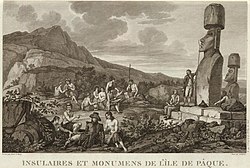
![A View of the Monuments of Easter Island, Rapanui, c. 1775–1776 by William Hodges.[37]](/images/a1/0b/a10bbd850e8ef9bc00529fd40fbf99c69f08cc8bb58cc16bf285635a8dcd79f4.jpg)
Rapa Nui is characterized by a landscape of rounded extinct volcanoes covered in low vegetation. The island's geology is primarily volcanic, which provided the raw materials for its famous stone monuments.
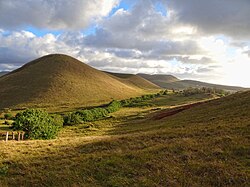
The climate is generally mild, with average annual rainfall of approximately 1,129.8 mm. Temperatures remain relatively stable throughout the year, though the island experiences distinct seasonal variations in sunshine and precipitation.
| Metric | Summer (Jan/Feb) | Winter (Jul/Aug) | Annual Average/Total |
|---|---|---|---|
| Mean Daily Max Temp | 26.9°C – 27.5°C | 21.2°C – 21.6°C | Variable |
| Mean Daily Min Temp | 20.0°C – 20.6°C | 15.9°C – 15.7°C | Variable |
| Average Rainfall | ~75 mm/month | ~105 mm/month | 1,129.8 mm |
| Relative Humidity | ~78% | ~78% | ~78-81% |
The Legacy of Rapa Nui Culture
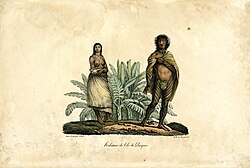
The indigenous people of Rapa Nui developed a sophisticated Stone Age culture, utilizing local volcanic rock to create an architectural landscape unlike any other in the world.
The Moai Statues
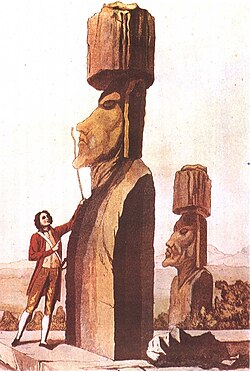
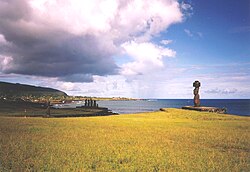
The most iconic symbols of the island are the Moai—massive stone figures carved from volcanic tuff. These statues represent ancestral figures and were transported from quarries to ceremonial platforms.
Ahu Platforms
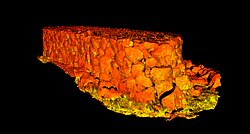
Moai were typically placed upon Ahu, which are stone platforms that served as sacred sites. A classic ahu design includes a retaining rear wall facing the sea, a front wall of basalt slabs called paenga, and a paved plaza known as a marae.
Other Cultural Artifacts
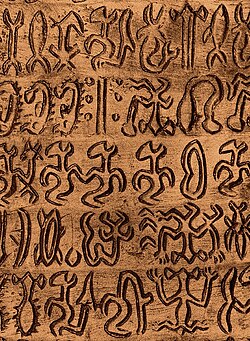
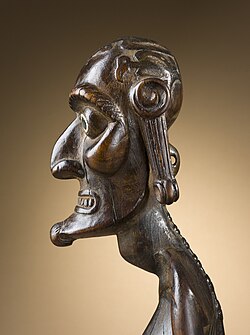
- Rongorongo: A unique, undeciphered system of glyphs or writing found on wooden tablets.
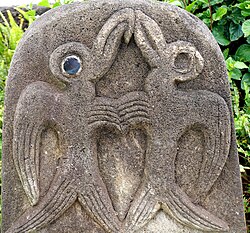
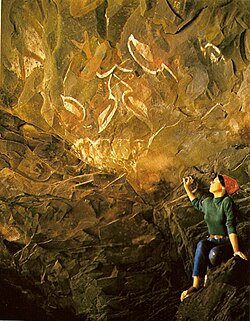
- Petroglyphs: Rock carvings, including depictions of the deity Makemake and the Birdman.
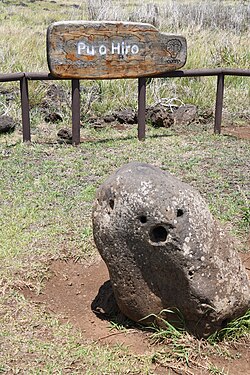
- Pu o Hiro: A traditional stone aerophone known as the Trumpet of Hiro.
Historical Timeline and European Contact
The settlement of Rapa Nui is believed to have occurred around 1200 A.D. by Polynesian voyagers. For centuries, the society flourished, though it later faced internal shifts and environmental challenges, leading to various hypotheses regarding an "ecocide" or societal collapse, though these theories remain debated by modern scholars.
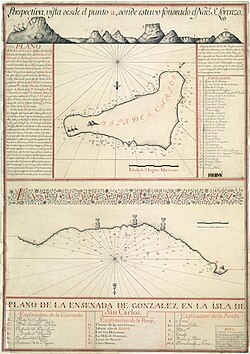
European contact began in the 18th century, with Dutch explorer Jacob Roggeveen arriving on Easter Sunday in 1722, giving the island its Western name. Subsequent visits by Spanish and French expeditions, including those of González de Ahedo and La Pérouse, further integrated the island into global maps.
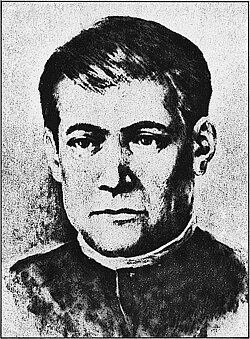
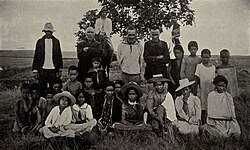
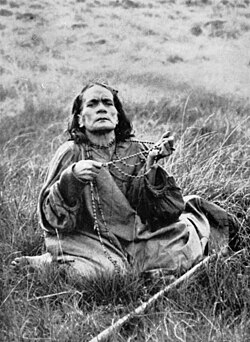
The 19th century brought significant upheaval, including the influence of missionaries like Eugène Eyraud, who converted the population to Catholicism, and the eventual consolidation of the island under Chilean sovereignty in the late 1800s.
Modern Rapa Nui
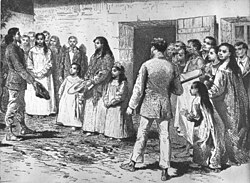
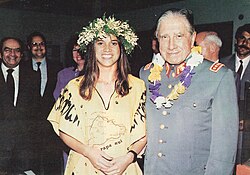
In the 21st century, the Rapa Nui people continue to preserve their heritage while navigating their relationship with the Chilean state. The Tapati festival remains a vital celebration of traditional sports, arts, and culture.

Frequently Asked Questions
![Flag flown by Easter Islanders before 1902, taking the design of the national flag and incorporating elements representative of the locals, including Catholic symbols. It was found by the school ship Baquedano which took it to the museum of Valparaíso.[64]](/images/0b/15/0b156dd3be47770b6663d84f2b023b31bbb9e50c7c1cd8cd809688a149ad7dde.jpg)
![Monsignor Rafael Edwards Salas sought to protect the Rapa Nui from private abuse with the help of the Chilean Navy and the powers he had as Vicar of the Military.[65][67]](/images/34/6a/346a6e436ecfe43943e4b9aa5809bd248c654faf6536f0b157d7529060b93914.jpg)
Who were the first settlers of Easter Island?
The island was settled by Polynesian voyagers, with radiocarbon dating suggesting their arrival occurred around 1200 A.D.
What is the purpose of the Moai statues?
The Moai are believed to represent the living faces of deified ancestors, intended to project mana (spiritual power) over the community.
What is Rongorongo?
Rongorongo is a system of glyphs found on wooden tablets unique to Rapa Nui. It is one of the few examples of an independent invention of writing in human history, though it remains undeciphered.
How is the island governed today?
Easter Island is a special territory of Chile, organized as a municipality with a municipal council and an elected mayor (Alcaldesa).
What is the Birdman Cult?
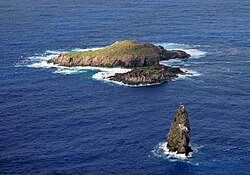
The Birdman Cult was a later religious transition on the island, involving a competition to retrieve the first egg of the sooty tern from the islet of Motu Nui.