Dinosaurs: Evolution, Biology, and the Legacy of the Mesozoic
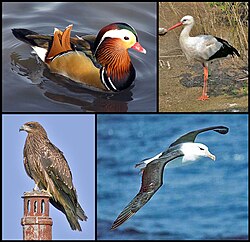
Dinosaurs are among the most fascinating creatures to ever walk the Earth, dominating terrestrial ecosystems for millions of years. From the Late Triassic period to the present day, these animals have left an indelible mark on the biological history of our planet. While many associate dinosaurs exclusively with extinction, modern science recognizes that one specific lineage survived and continues to thrive today: the birds.
The study of dinosaurs, or paleontology, has evolved from early curiosity into a rigorous scientific discipline. By analyzing skeletal remains and rare soft-tissue preservation, researchers have reconstructed the lives of these creatures, revealing a world of diverse sizes, complex social behaviors, and surprising physiological adaptations.
Key Facts
- Temporal Range: Late Triassic to the present (233.23 million years ago to 0 mya).
- Classification: Members of the clade Dinosauria, which includes both extinct non-avian dinosaurs and extant birds.
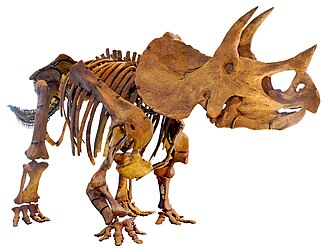
- Major Lineages: Divided primarily into Saurischia (lizard-hipped) and Ornithischia (bird-hipped).
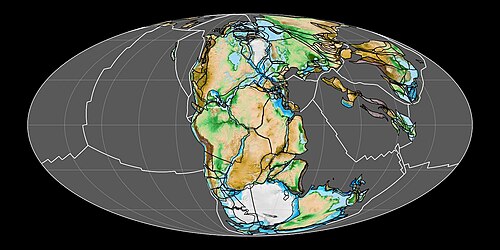
- Global Distribution: Originally spread across the supercontinent Pangaea.
- Extinction Event: Most non-avian dinosaurs perished approximately 66 million years ago due to a combination of an asteroid impact and volcanic activity.
Anatomy and Distinguishing Features
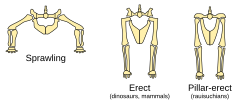
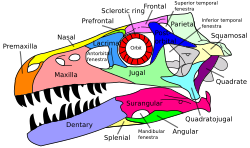
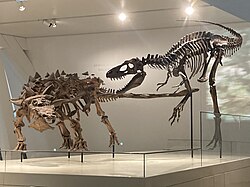
Dinosaurs are defined by specific anatomical characteristics that separate them from other reptiles. One of the most critical distinctions is their hip structure and limb posture. Unlike typical reptiles that possess a sprawling gait, dinosaurs evolved an erect posture, with limbs positioned directly beneath their bodies. This adaptation allowed for more efficient movement and supported greater body mass.
Other diagnostic features include specific bone proportions. For instance, the radius (a lower arm bone) in dinosaurs is typically shorter than 80% of the length of the humerus. Additionally, the fourth trochanter—a bony protrusion on the femur—is asymmetrical, with the lower margin forming a steep angle to the shaft.
Size Diversity
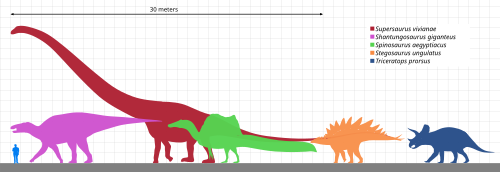
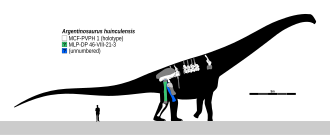
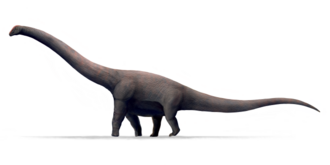
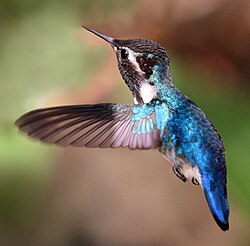
The scale of dinosaurs varied more than almost any other terrestrial group. At one extreme were the massive sauropods, such as Argentinosaurus and the potentially gargantuan Bruhathkayosaurus, which represent some of the largest terrestrial animals to ever exist. At the opposite end of the spectrum were tiny avian dinosaurs, such as the bee hummingbird, the smallest known dinosaur today.
The History of Dinosaur Research
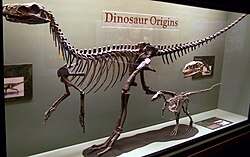
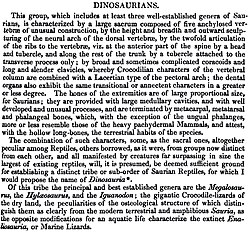
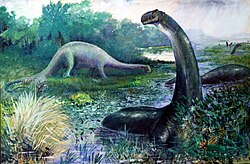
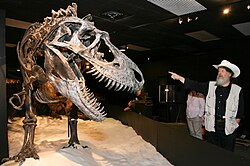
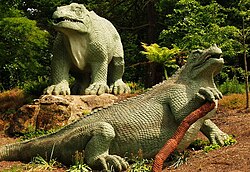
The formal scientific study of dinosaurs began in the 19th century. Sir Richard Owen coined the term "Dinosauria" in 1842, providing a unifying name for these "terrible lizards." Early research was often influenced by the prevailing views of the time; for example, early restorations by artists like Charles R. Knight depicted dinosaurs as slow, aquatic, tail-dragging creatures.
The "Dinosaur Renaissance," championed by paleontologists like Robert T. Bakker, fundamentally shifted this perspective. New evidence suggested that dinosaurs were not sluggish reptiles but active, warm-blooded (or mesothermic) animals with complex social structures.
Soft Tissue and Molecular Evidence
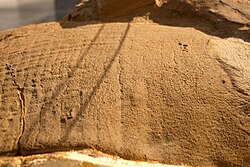
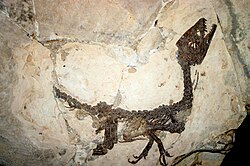
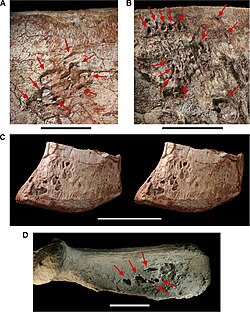
While bones provide the primary record, rare fossils have preserved soft tissues, including skin impressions and even intestines. The discovery of melanosomes (pigment-containing organelles) has allowed scientists to determine the actual colors of some Cretaceous dinosaurs, while other finds have revealed the presence of collagen fibrils and blood vessels in ancient bone.
Paleobiology and Behavior
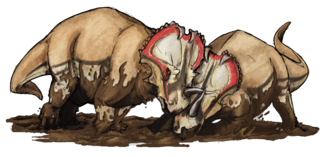
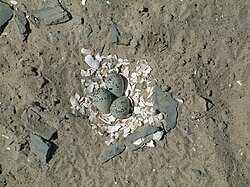
Dinosaurs exhibited a wide array of behaviors, from parental care to intra-specific combat. Evidence from nesting grounds, such as those of Maiasaura peeblesorum, suggests that some dinosaurs cared for their young in family structures. Other fossils, such as the Citipati, show evidence of brooding behavior similar to modern birds.
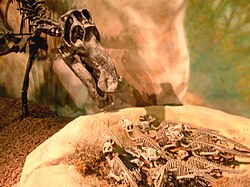
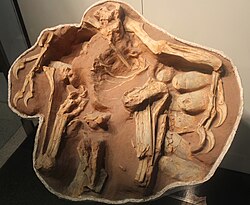
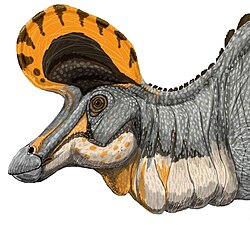
Communication also played a vital role. Some dinosaurs, like Lambeosaurus magnicristatus, possessed elaborate cranial crests that likely served as visual displays or resonating chambers for sound production.
Physiology and the Origin of Birds
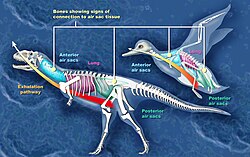
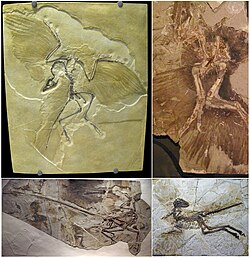
One of the most significant discoveries in paleontology is the link between theropod dinosaurs and birds. Many non-avian dinosaurs, including Archaeopteryx and Microraptor, possessed feathers. Furthermore, the respiratory systems of some dinosaurs featured air sacs similar to those of modern birds, facilitating a highly efficient flow-through ventilation system.
The Great Extinction
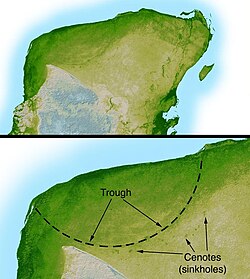
The reign of the non-avian dinosaurs ended abruptly at the end of the Cretaceous period. The leading theory involves a massive asteroid impact at the Chicxulub Crater in the Yucatán Peninsula, which triggered global environmental collapse. This event was likely compounded by intense volcanic activity from the Deccan Traps.

| Group | Key Characteristics | Example Genera |
|---|---|---|
| Saurischia | Lizard-hipped; includes carnivores and long-necked herbivores | Tyrannosaurus, Diplodocus |
| Ornithischia | Bird-hipped; primarily herbivorous | Triceratops, Edmontosaurus |
| Aves | Extant avian dinosaurs; feathered, flight-capable | Passerines, Hummingbirds |
Frequently Asked Questions
Are birds considered dinosaurs?
Yes. In phylogenetic taxonomy, birds are classified as avian dinosaurs. They evolved from small theropod dinosaurs and are the only lineage of Dinosauria to survive the Cretaceous-Paleogene extinction event.
What is the difference between Saurischia and Ornithischia?
These are the two primary divisions of dinosaurs based on their hip structure. Saurischians have a "lizard-hipped" pelvis, while Ornithischians have a "bird-hipped" pelvis, though ironically, birds actually evolved from the lizard-hipped lineage.
What caused the extinction of the dinosaurs?
Most scientists agree that a combination of a massive asteroid impact (forming the Chicxulub crater) and prolonged volcanic eruptions from the Deccan Traps caused catastrophic climate change that the non-avian dinosaurs could not survive.
Did all dinosaurs have feathers?
Not all, but many did. While some dinosaurs had scales or skin impressions, a vast number of theropods—including some tyrannosauroids—possessed proto-feathers or fully developed plumage for insulation or display.
How large were the biggest dinosaurs?
The largest dinosaurs were the sauropods. While sizes vary by estimate, animals like Argentinosaurus and Bruhathkayosaurus are among the largest terrestrial animals to ever exist, dwarfing humans in both length and mass.