The Comprehensive Guide to Daylilies: Nature's Perfect Perennial
Known for their vibrant colors and remarkable resilience, the daylily (genus Hemerocallis) is a staple of gardens worldwide. Despite its common name, the daylily is not a "true lily" in the botanical sense. Instead, it belongs to the family Asphodelaceae. The name Hemerocallis is derived from the Greek words hēmera, meaning "day," and kalos, meaning "beautiful," a fitting tribute to flowers that typically bloom for only a single day.
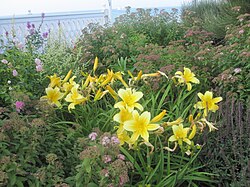
Key Facts
- Botanical Name: Hemerocallis
- Origin: Native to Asia, particularly eastern Asia.
- Classification: Member of the family Asphodelaceae (not the genus Lilium).
- Diversity: Over 100,000 registered cultivars.
- Hardiness: Adaptable to USDA plant hardiness zones 1 through 11.
- Key Feature: Flowers usually last one day, often replaced by a new bloom on the same stalk the next morning.
Botanical Description
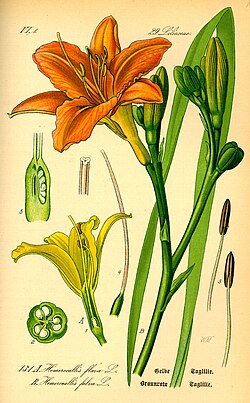
Daylilies are herbaceous clump-forming perennials that grow from rhizomes (underground horizontal stems). Some species also produce spreading stolons, which are above-ground runners that allow the plant to colonize new areas. They possess a fibrous or tuberous root system, with the latter used to store essential nutrients and water.
The foliage consists of basal, strap-like, linear lanceolate leaves that arch outward and downward, resembling a fountain. The flowers are produced on scapes—leafless flower stalks—and are arranged in helicoid cymes or appear solitarily. These showy blooms consist of three petals and three sepals; because they look so similar, they are collectively referred to as tepals.
The center of the flower, known as the throat, often features a different color than the rest of the tepals. Each flower contains six stamens and a superior green ovary with three chambers. The resulting fruit is a capsule containing either no seeds (sterile) or large, shiny black seeds.
Taxonomy and Evolution
The classification of the daylily has evolved as botanical science has progressed. Until 2009, they were placed in the family Liliaceae. However, under the APG III (Angiosperm Phylogeny Group III) system, they were moved to Xanthorrhoeaceae. By 2017, the APG IV system renamed this family to Asphodelaceae.
While they share a similar flower shape with true lilies (genus Lilium), daylilies are distinguished by their growth habits, stem structures, and leaf shapes.
Species and Distribution
Daylilies are native to Asia, including China, Japan, Korea, and southern Siberia. As of January 2020, 16 species are recognized by Plants of the World Online. Among the most notable are:
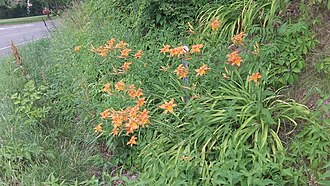
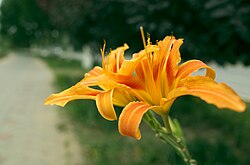
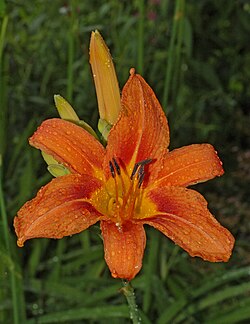
- Hemerocallis fulva: Also known as the tawny or orange daylily, this species is naturalized in North America and Europe and is sometimes considered an invasive weed.
- Hemerocallis lilioasphodelus: The lemon or yellow daylily, native to China, Mongolia, and Siberia.
- Hemerocallis thunbergii: A species native to Japan.
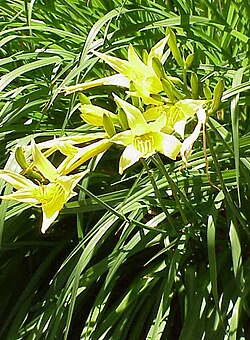
These plants have been documented in China for millennia, appearing in ancient paintings. They likely reached Europe via the Silk Road and were later brought to North America by European immigrants who carried the roots as treasured possessions.
Cultivation and Hybridization
Gardeners often call the daylily "the perfect perennial" because it is low-maintenance, drought-tolerant, and frost-resistant. Most modern hybrids are descended from just two species: Hemerocallis flava (yellow lemon lily) and Hemerocallis fulva (tawny-orange daylily).
The Art of Hybridization
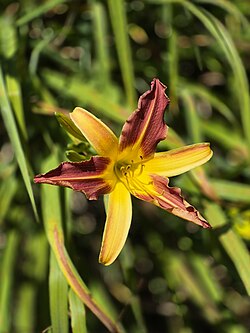
Hybridizers have expanded the daylily's color palette to include reds, purples, lavenders, and near-blacks, though a pure blue daylily has yet to be created. Other developed traits include ruffled edges, "diamond dust" (a glittery appearance), and contrasting "eyes" in the center of the bloom.
Modern breeding also focuses on ploidy, or the number of chromosome sets in a plant:
- Diploids: 22 chromosomes per plant.
- Triploids: 33 chromosomes; these rarely produce seeds and reproduce via stolons.
- Tetraploids: 44 chromosomes; these generally have sturdier scapes and tepals.
Uses and Toxicity
Daylilies serve various roles across different cultures, from ornamentation to nutrition.
Culinary and Medicinal Uses
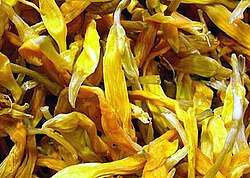
In East Asia, particularly China, certain species like Hemerocallis citrina are used in cuisine. They are sold fresh or dried as gum jum (golden needles) and featured in dishes such as hot and sour soup and moo shu pork. Additionally, hemerocallin, a neurotoxin found in the roots, has been used in traditional oriental medicine.
Safety Warnings
While some species are edible, caution is required. Eating too many uncooked flowers of certain species can lead to diarrhea. More critically, daylilies are toxic to cats; ingestion can lead to kidney failure and may be fatal if not treated promptly.
Summary of Daylily Characteristics
| Feature | Details |
|---|---|
| Common Names | Daylily, Ditch-lily, Tawny daylily |
| Native Region | Asia (China, Japan, Korea, Siberia) |
| Flower Duration | Typically one day |
| Hardiness | USDA Zones 1–11 |
| Primary Root Type | Rhizomes and tuberous roots |
| Chromosome Types | Diploid (22), Triploid (33), Tetraploid (44) |
Frequently Asked Questions
Are daylilies true lilies?
No. Despite their name, daylilies belong to the genus Hemerocallis and the family Asphodelaceae, whereas true lilies belong to the genus Lilium and the family Liliaceae.
Why are they called "ditch lilies"?
The nickname "ditch lily" refers to the plant's ability to thrive in various soil and light conditions with little to no human maintenance, often growing wild along roadsides.
Can I grow daylilies in cold climates?
Yes. Daylilies are highly adaptable and can grow in USDA plant hardiness zones 1 through 11. Hybridizers often cross evergreen varieties with dormant ones to increase cold hardiness.
Are daylilies safe for pets?
No. Daylilies are toxic to cats, and ingestion can be fatal due to the risk of kidney failure.
What is the Stout Silver Medal?
The Stout Silver Medal is the highest award a daylily cultivar can receive in the United States. It is awarded by the American Hemerocallis Society to cultivars that have previously received the Award of Merit.