Crocodylia: Evolution, Anatomy, and Behavior of the World's Apex Reptiles
The order Crocodylia represents some of the most successful predators in Earth's history. From the prehistoric swamps of the Cretaceous period to the modern rivers and coastlines of today, these archosaurs have maintained a formidable presence. Comprising crocodiles, alligators, caimans, and gharials, this group is defined by its specialized anatomy and an evolutionary resilience that has allowed them to survive multiple mass extinction events.
Modern crocodilians are the last surviving members of the clade Pseudosuchia, a lineage of crocodile-line archosaurs. Their journey from early crocodyliforms to the modern Eusuchia (the group containing all living species) showcases a transition toward highly specialized semi-aquatic lifestyles.
Key Facts

- Temporal Range: Late Cretaceous to the present.
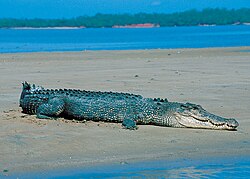
- Size Diversity: Ranges from dwarf species (1–1.5 m) to the saltwater and Nile crocodiles (up to 6 m).
- Bite Force: Among the strongest in the animal kingdom, with saltwater crocodiles reaching 3,700 lbf.
- Sexual Dimorphism: Males are typically significantly larger than females.
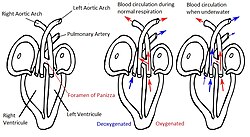
- Heart Structure: Possess a unique circulatory system with a right-to-left shunt to assist in digestion and diving.
Evolutionary History
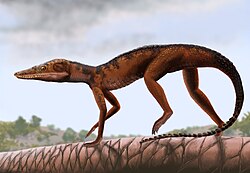
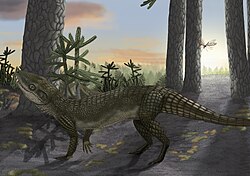
The origins of Crocodylia lie within the pseudosuchians. Early crocodyliform diversity was vast, including species like Litargosuchus and Pakasuchus, which paved the way for the diversification of modern lineages. Over millions of years, these animals adapted to various environments, including marine habitats.
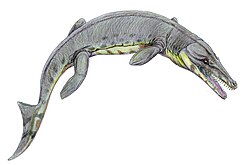
Some extinct lineages, such as the thalattosuchians, were highly adapted for a fully marine existence, while others, like the Miocene caiman Purussaurus, reached staggering sizes, with some estimates exceeding 10 meters in length.
Anatomy and Physiology
Physical Dimensions and Morphology
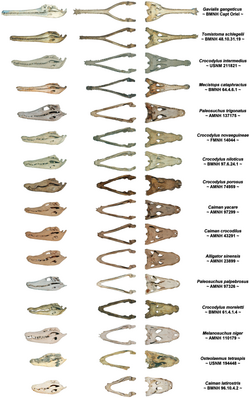
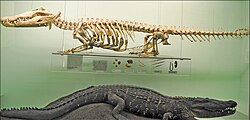
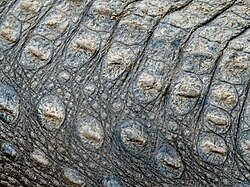
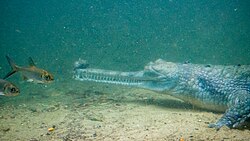
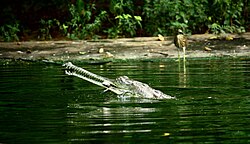
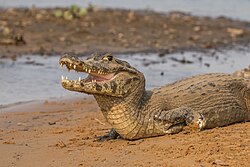
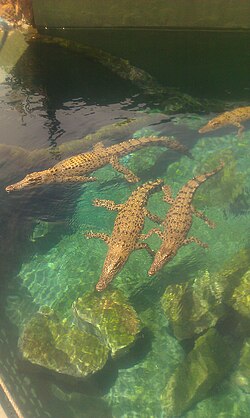
Crocodilians exhibit a wide range of sizes. While the African dwarf crocodile and dwarf caimans remain small, the Nile and saltwater crocodiles can weigh up to 1,000 kg. Their skull shapes vary significantly based on their ecological niche, ranging from the broad snouts of alligators to the extremely slender jaws of the gharial.
Locomotion and Senses
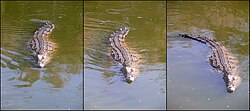
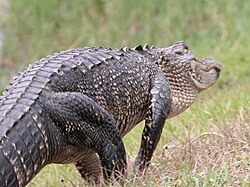
Crocodilians are versatile movers. In water, they use undulatory swimming, while on land, they can employ a "high walk," where the lower limb portions are held almost vertically—a trait that distinguishes them from most other reptiles.
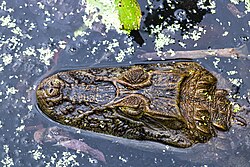
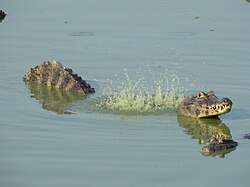
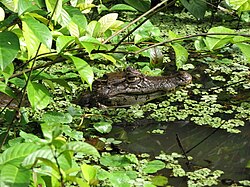
Their sensory systems are finely tuned for ambush hunting. Their eyes, ears, and nostrils are positioned on the top of the head, allowing them to remain almost entirely submerged while monitoring the surface.
Internal Systems
The crocodilian heart is a biological marvel, featuring a complex circulation system. They utilize a right-to-left shunt, which redirects blood flow to aid in digestion and manage oxygen during long dives. Their respiratory system is equally advanced, featuring unidirectional airflow in the lungs, similar to that of birds.
Behavior and Ecology
Feeding and Bite Force
Crocodilians are apex predators known for their devastating bite force. The American alligator has been measured at 2,125 lbf, while the saltwater crocodile reaches 3,700 lbf. While the gharial has a weaker bite, its slender jaws are optimized for the rapid closure required to catch fish.
Reproduction and Social Life
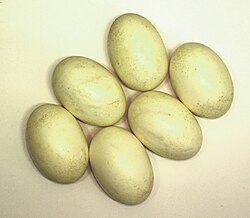
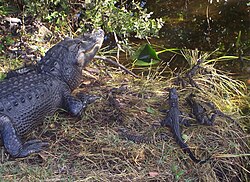
Parental care is a hallmark of crocodilian behavior. Mothers build nests and protect their young through the hatching process. Communication is achieved through a variety of means, including bellowing and social displays.
Interactions with Humans
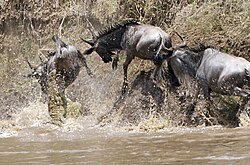
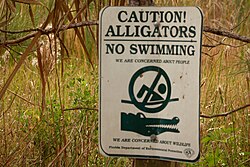
Due to their size and predatory nature, large crocodilians can be dangerous. Saltwater crocodiles are particularly aggressive; between 2010 and 2020, they were implicated in over 1,300 attacks, nearly half of which were fatal. American alligators are generally less aggressive, though human encroachment into habitats like the Everglades has increased the frequency of encounters.
Summary of Crocodilian Groups
| Group | Key Examples | Distinguishing Feature | Primary Habitat |
|---|---|---|---|
| Alligatoroidea | Alligators, Caimans | Broad snouts, U-shaped | Freshwater/Brackish |
| Gavialoidea | Gharials | Extremely slender jaws | Freshwater (Rivers) |
| Crocodyloidea | True Crocodiles | V-shaped snouts, salt glands | Freshwater/Marine |
Cultural Impact and Conservation
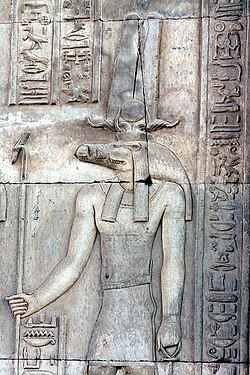
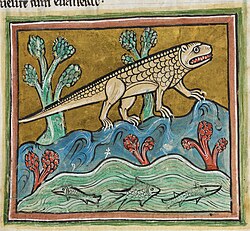
Crocodilians have appeared in human culture for millennia, from the Egyptian god Sobek to medieval bestiaries. In modern media, they are often portrayed as monsters in horror films, though educational series have worked to provide a more accurate biological perspective.
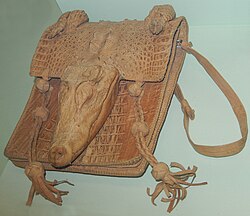
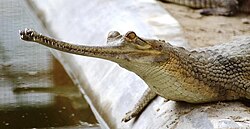
Conservation efforts remain critical, particularly for species like the False gharial, which is currently listed as endangered.
Frequently Asked Questions
Which crocodilian has the strongest bite?
The saltwater crocodile possesses the strongest measured bite force, reaching approximately 3,700 lbf (16 kN).
How do crocodiles differ from alligators in appearance?
Generally, crocodiles have a more pointed, V-shaped snout and can inhabit saltwater, whereas alligators have a broader, U-shaped snout and primarily inhabit freshwater.
What is the "high walk"?
The high walk is a method of land locomotion where the crocodilian lifts its body off the ground and holds its limbs almost vertically, unlike the sprawling gait of most other reptiles.
Are all crocodilians dangerous to humans?
While all can be dangerous, saltwater and Nile crocodiles are generally more aggressive. American alligators are typically less aggressive, though attacks occur when humans encroach on their territory.
How do crocodilians breathe while diving?
They possess a unique heart valve and a right-to-left shunt that allows them to manage blood oxygen and carbon dioxide levels efficiently during prolonged submergence.