Crocodiles: Biology, Species, and Global Distribution
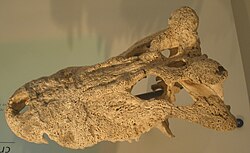
Crocodiles are formidable apex predators belonging to the family Crocodylidae. These ancient reptiles have a temporal range extending from the Eocene to the Holocene (approximately 46 to 0 million years ago), making them some of the most successful survivors in evolutionary history. From the diminutive dwarf crocodile to the massive saltwater crocodile, these animals are defined by their powerful builds, semi-aquatic lifestyles, and specialized biological adaptations.
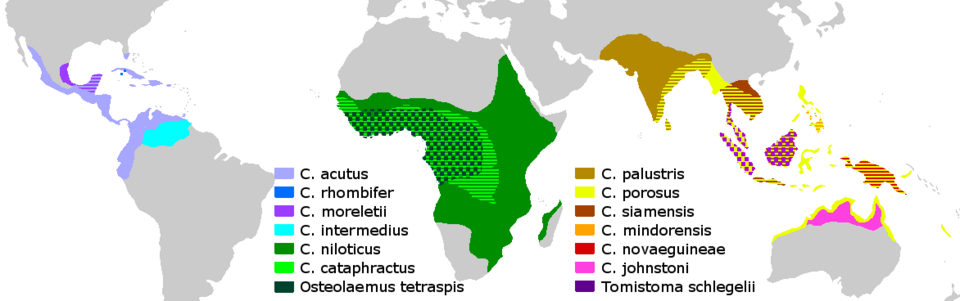
Their distribution spans several continents, occupying diverse habitats from the freshwater marshes of Africa and India to the saline coastal waters of Southeast Asia and Australia.
Key Facts
- Largest Species: The saltwater crocodile (Crocodylus porosus) can exceed 6 meters (20 ft) in length and weigh over 1,000 kg.
- Smallest Species: The dwarf crocodile (Osteolaemus) typically reaches only 1.5 to 1.9 meters.
- Lifespan: Average lifespans range from 30–40 years for smaller species to 60–70 years for larger ones, with some individuals potentially exceeding 100 years.
- Sexual Dimorphism: Males generally grow significantly larger and faster than females.
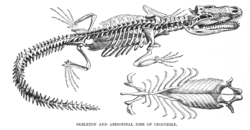
- Ancient Lineage: They possess abdominal ribs modified into gastralia, a trait shared with dinosaurs.
Taxonomy and Species Diversity
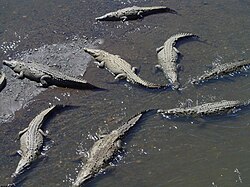
The family Crocodylidae is divided into two primary subfamilies: Crocodylinae and Osteolaeminae. The genus Crocodylus contains the most well-known species, while other genera like Osteolaemus and Mecistops represent more specialized lineages.
Major Crocodile Species and Distribution
Crocodiles are found in a variety of ecological niches across the globe. The following table summarizes the distribution of key extant species.
| Species Name | Common Name | Primary Distribution |
|---|---|---|
| Crocodylus porosus | Saltwater Crocodile | Southeast Asia, Northern Australia, and surrounding waters |
| Crocodylus niloticus | Nile Crocodile | Sub-Saharan Africa |
| Crocodylus acutus | American Crocodile | Americas (including Mexico, Belize, Guatemala) |
| Crocodylus palustris | Mugger Crocodile | Indian subcontinent and surrounding countries |
| Osteolaemus tetraspis | Dwarf Crocodile | Western Africa |
| Crocodylus mindorensis | Philippine Crocodile | Endemic to the Philippines |
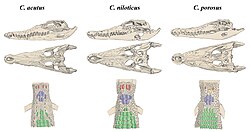
Physical Characteristics and Biology
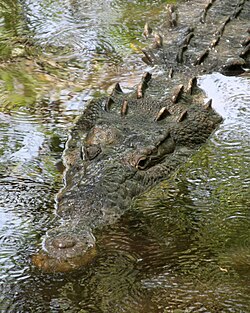
Size and Growth
Size varies dramatically across the family. While the dwarf crocodile remains small, the saltwater crocodile is the undisputed giant of the group. The longest saltwater crocodile captured alive, Lolong, measured 6.17 meters (20.2 ft) and weighed 1,075 kg. In captivity, a saltwater–Siamese hybrid named Yai reached 6 meters and weighed 1,200 kg.
Regardless of their adult size, most crocodiles begin life at approximately 20 cm (7.9 in) in length.
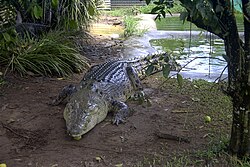
Anatomy and Senses
Crocodiles possess highly specialized anatomy for an aquatic predatory lifestyle. Their skeletal structure includes unique scutes (bony plates) and a powerful jaw designed for immense crushing force. Their sensory organs are finely tuned; for instance, their eyes are positioned to allow them to see while remaining mostly submerged.
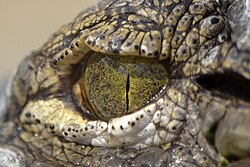
Thermoregulation and Behavior
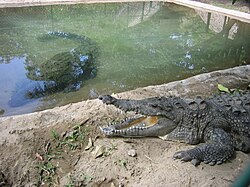
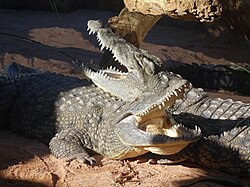
As ectotherms, crocodiles rely on external heat sources to regulate body temperature. A common behavior is gaping—holding the mouth open—which allows them to release heat and cool down.
Ecology and Human Interaction
Hunting and Diet
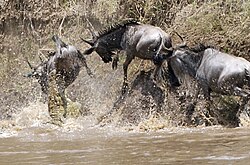
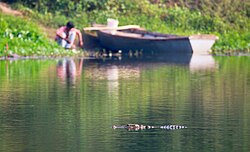
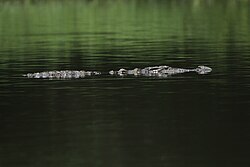
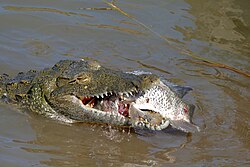
Crocodiles are opportunistic carnivores. Their diet varies by size and location, ranging from fish (such as Tilapia) to large mammals like wildebeest. They are known for their stealth, making them difficult to locate even when cruising in open water.
Relationship with Humans
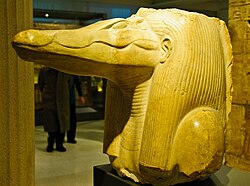
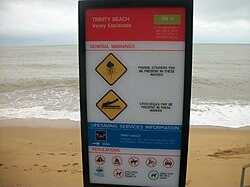
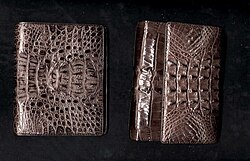
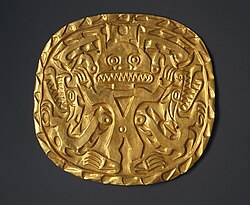
The relationship between humans and crocodiles is complex, ranging from conflict to cultural veneration. In ancient Egypt, the deity Sobek was associated with the Nile crocodile. In modern times, crocodiles are both a danger to humans in shared environments and a source of commercial products, such as high-demand leather skins.
Frequently Asked Questions

How long do crocodiles live?
While measuring age is difficult, most species live at least 30–40 years. Larger species, such as the saltwater crocodile, average 60–70 years, with some evidence suggesting individuals can exceed 100 years.
What is the difference between the saltwater and Nile crocodile?
The saltwater crocodile (C. porosus) is the largest species and is found throughout Southeast Asia and Northern Australia. The Nile crocodile (C. niloticus) is primarily found in Sub-Saharan Africa.
Why do crocodiles keep their mouths open?
This behavior, known as gaping, is a method of thermoregulation. It helps the crocodile cool its body temperature by allowing heat to escape from the mouth.
Are there any extinct crocodile species?
Yes, there are several extinct species, including Voay robustus, a "horned" crocodile from Madagascar that existed during the Holocene.