Predation: The Complex Biological Dynamics of Hunters and Prey
In the natural world, few interactions are as fundamental to life as predation. This biological interaction occurs when one organism, known as the predator, kills and consumes another organism, referred to as the prey. While it may seem like a simple act of survival, predation is part of a sophisticated web of feeding behaviors that shapes ecosystems, drives evolution, and maintains biodiversity.
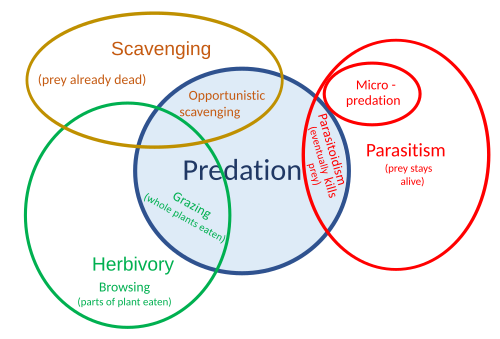
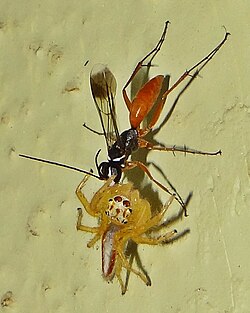
To understand predation, it is important to distinguish it from other feeding strategies. Unlike parasitism or micropredation, which typically do not kill the host, predation results in the death of the prey. It also differs from parasitoidism, where the host is eventually killed, and from scavenging, which involves consuming animals that are already dead. Interestingly, predation can even overlap with herbivory, as seen in seed predators and certain fruit-eating animals.
Key Facts
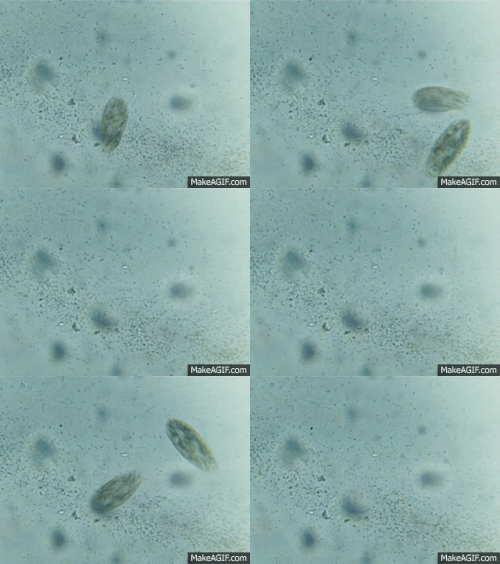
- Predation is a feeding interaction where a predator kills and eats its prey.
- Hunting strategies vary between active pursuit and stealthy ambush.
- Apex predators play a critical role in maintaining ecosystem health and biodiversity.
- Coevolution occurs as predators and prey develop opposing adaptations in an evolutionary arms race.
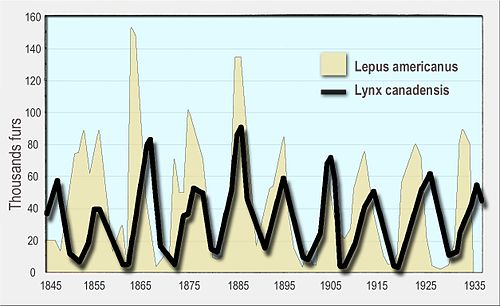
- Population dynamics often show cyclical patterns between predator and prey numbers.
Hunting Strategies and Behaviors
![A basic foraging cycle for a predator, with some variations indicated[25]](/images/57/dc/57dc293d20f40580531453eb64337f50d994632708d49169635720c2c852f487.webp)
Predators have evolved a wide array of specialized methods to secure food. These behaviors are often categorized by how the predator approaches its target.
Pursuit Predation
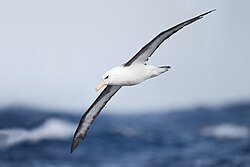
Pursuit predators engage in the active search for and chase of their prey. This strategy often requires significant physical endurance and speed. For example, some predators may travel vast distances across empty oceans to locate food patches.
Ambush Predation
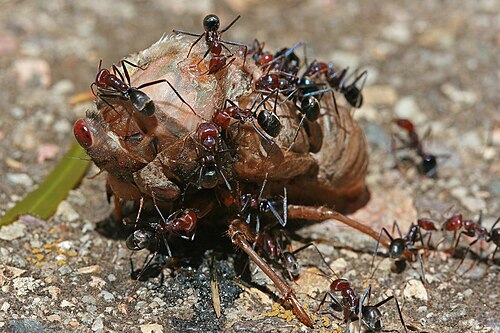
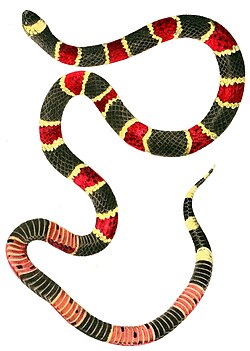
In contrast, ambush predators rely on stealth. Instead of chasing, they wait for prey to come within range. Many use aggressive mimicry—a tactic where a predator mimics a harmless or attractive object to lure prey—or camouflage to remain undetected until the moment of attack.
Physical and Sensory Adaptations
To increase hunting efficiency, most obligate carnivores (animals that specialize in meat) possess highly specialized physical traits. These adaptations can be categorized into several key areas:
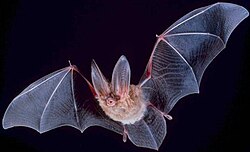
- Sensory Systems: Acute vision, hearing, or smell allow predators to detect prey from great distances. Some, like bats, use echolocation (biological sonar) to hunt in total darkness.
- Weaponry: Sharp claws, powerful jaws, or specialized teeth are essential for gripping, killing, and processing prey.
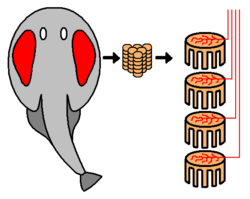
- Chemical and Electrical Tools: Some predators use venom to incapacitate prey, while others, such as electric rays, utilize electric fields to hunt.
- Specialized Anatomy: Certain species have evolved unique mechanics, such as the ability to unhinge jaws to swallow large prey or tongues adapted for rapid capture.
Social vs. Solitary Hunting
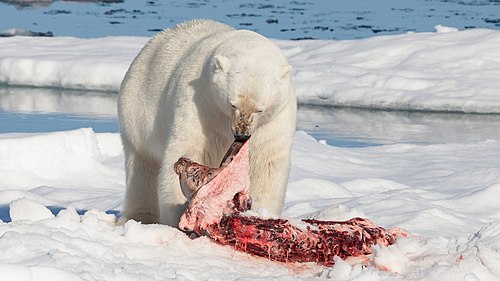
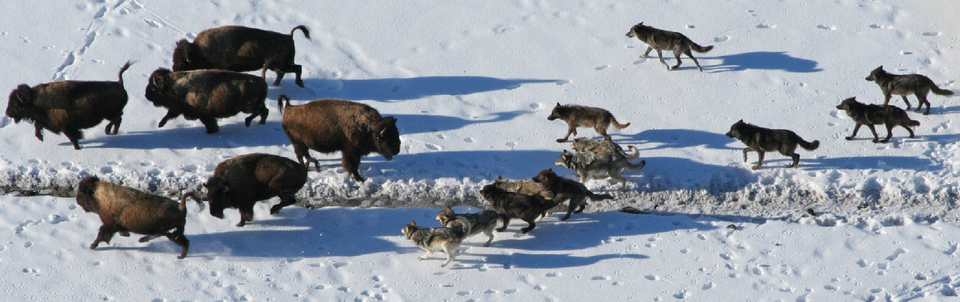
Predation is not always a solo endeavor. While many predators, such as the polar bear, hunt alone, others have evolved complex social behaviors. Social predators, such as wolves, cooperate to hunt much larger animals, such as bison, which would be difficult for a single individual to take down.
The Role of Predation in Ecosystems
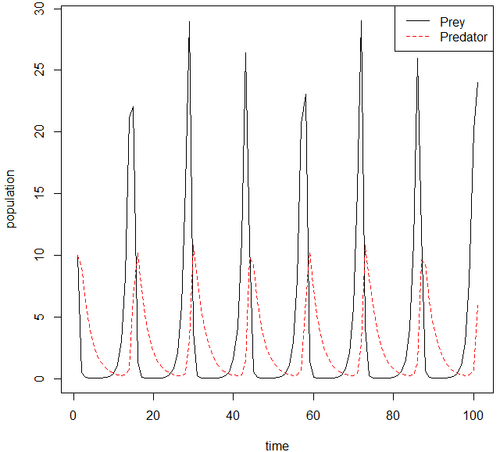
Predation is a driving force in population dynamics. The relationship between a predator and its prey often results in oscillating population cycles. When prey numbers are high, predator numbers tend to rise; as predators consume more prey, the prey population drops, eventually leading to a decline in the predator population due to food scarcity.
Apex Predators and Biodiversity
Apex predators sit at the top of the food chain and exert significant influence over their environment. By controlling the populations of other animals, they prevent any single species from dominating the ecosystem. This can lead to a "trophic cascade," where the presence of a predator affects multiple levels of the food web, even influencing plant life. For instance, the reintroduction of wolves can lead to the recovery of riparian vegetation by altering the behavior and numbers of herbivores.
![Riparian willow recovery at Blacktail Creek, Yellowstone National Park, after reintroduction of wolves, the local keystone species and apex predator.[135] Left, in 2002; right, in 2015](/images/90/0a/900a031311476b8c6630c016000ed8c68e3a2971c118f2bbbf751fcb1da29ed5.jpg)
| Strategy | Effect on Host/Prey | Example |
|---|---|---|
| Predation | Kills and consumes prey | Wolves hunting bison |
| Parasitism | Lives on/in host, usually without killing it | Ticks on a mammal |
| Parasitoidism | Always eventually kills the host | Certain wasps |
| Scavenging | Consumes already dead organisms | Vultures |
Frequently Asked Questions

What is the difference between a predator and a parasitoid?
A predator typically kills its prey immediately or shortly after the attack to consume it. A parasitoid, however, develops inside or on a host and eventually kills that host as a necessary part of its life cycle.
How do predators and prey influence each other's evolution?
This process is known as coevolution. As predators develop better ways to hunt (like faster speed or better camouflage), prey species must evolve better defenses (like better hearing or faster reflexes) to survive, creating an evolutionary arms race.
Can predators be herbivores?
Yes. While we often associate predation with meat-eating, certain animals act as predators by consuming plant parts, such as seed predators that kill the plant embryo to eat the seed.What is an apex predator?
An apex predator is an organism at the top of a food web that has no natural predators of its own within its ecosystem.
Why are predator-prey populations cyclical?
Their populations are linked: an abundance of prey provides more food for predators, causing their numbers to grow. However, as the predator population increases, they consume more prey, causing the prey population to crash, which eventually leads to a shortage of food for the predators.