Crimson: The History, Science, and Cultural Significance of a Deep Red
Crimson is a rich, deep red color with a distinct inclination toward purple. While often used interchangeably with other reds, it occupies a specific space between true red and rose. From its origins as a rare dye extracted from insects to its role as a symbol of prestige and national identity, crimson has left an indelible mark on human history, art, and nature.
Key Facts
- Origin: Originally derived from the Kermes vermilio scale insect.
- National Identity: It is the national color of Nepal.
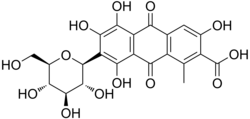
- Chemistry: Modern carmine dyes are based on aluminium and calcium salts of carminic acid.
- Digital Profile: The standard HTML/CSS hex triplet for crimson is #DC143C.
- Nature: Found in species such as the crimson rosella and the crimson sunbird.
The Evolution of Crimson Dyes
The history of crimson is inextricably linked to the insects used to produce it. The original crimson dye was created from the dried bodies of the Kermes scale insect, which lives on kermes oak trees in Mediterranean regions. These dyes were highly valued across Europe and have even been discovered in ancient burial wrappings in Anglo-Scandinavian York.
Over time, kermes was largely replaced by carmine. Although both are derived from scale insects, carmine is extracted from the female cochineal insect. Carmine became the preferred choice because it is significantly more efficient; it takes ten to twelve times more kermes to achieve the same color intensity as carmine.
In 1868, the field of chemistry introduced Alizarin crimson. Synthesized by German chemists Carl Gräbe and Carl Liebermann, alizarin replaced the natural madder lake pigment. This synthetic dye is bonded to alum and often mixed with earth tones like ochre, sienna, and umber, though it is noted for not being entirely colorfast.
Etymology and Linguistic Roots
The word "crimson" is derived from the Arabic word qirmizi, meaning "red," which referred specifically to the kermes insect. This term was adapted into Medieval Latin as cremesinus and later entered Middle English around the year 1400. The linguistic journey of the word spans multiple languages, including the German Karmesin, Italian cremisi, and French cramoisi.
Crimson in Nature and Science
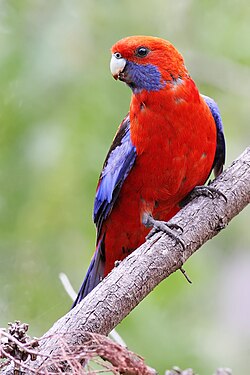
In the natural world, crimson appears in a variety of striking forms. In biology, the crimson rosella is a common Australian parrot, and the crimson sunbird serves as the national bird of Singapore. The plant kingdom features the crimson clover (Trifolium incarnatum) and the crimson glory vine (Vitis coignetiae).
Beyond flora and fauna, the color appears in environmental phenomena. A "crimson tide" on beaches is caused by the algae Karenia brevis. In astronomy, the variable star R Leporis is known by the alternative name Hind's Crimson Star.
Cultural and Symbolic Meaning
Crimson carries heavy emotional and social connotations. It is frequently used to describe the color of blood or the intensity of a blush. In literature and art, it can symbolize anger and malice, or conversely, represent high style, class, and luxury.
Nobility and Military
Historically, the color was a marker of status. In Poland, the word karmazyn became a synonym for a magnate (high nobility) because only the wealthiest could afford robes dyed with scale insects. In military tradition, crimson is used in the ceremonial uniforms of the Danish hussar regiment and the trousers of the British Army's King's Royal Hussars.
Academic and National Identity
Crimson is a prominent color in academia, serving as the official school color for institutions such as Harvard University, the University of Alabama, and the University of Oklahoma. Nationally, it serves as the background for the flag of Nepal.
Technical Specifications
Depending on the context—whether digital design or university branding—the coordinates for crimson can vary. The following table outlines the standard web color and the specific shade used by the University of Alabama.
| Attribute | Standard Crimson (HTML) | University of Alabama Crimson |
|---|---|---|
| Hex Triplet | #DC143C | #9E1B32 |
| sRGB | (220, 20, 60) | (158, 27, 50) |
| HSV | (348°, 91%, 86%) | (349°, 83%, 62%) |
| ISCC-NBS Descriptor | Vivid red | Vivid red |
Frequently Asked Questions
What is the difference between crimson and carmine?
While often confused, crimson originally referred to the dye from the Kermes vermilio insect, whereas carmine is derived from the female cochineal insect. Carmine is more potent, requiring far less raw material to produce the same intensity of color.
How is alizarin crimson different from natural dyes?
Alizarin crimson is a synthetic pigment first created in 1868. Unlike the insect-based dyes, it was synthesized chemically to replace madder lake, though it is known to be less colorfast than some other pigments.
What does crimson symbolize in the Baháʼí Faith?
In the scriptures of the Baháʼí Faith, the color crimson is used to represent tests and sacrifice.
Where is crimson used in modern food and medicine?
Carmine dyes are used as food additives (designated as E120 in the European Union) and are also found in various cosmetics and medicines.
Which countries use crimson in their national symbols?
Nepal uses crimson as its national color and the background of its flag. The color also appears on the national flag of Poland.