Conservation International: Protecting Biodiversity and Human Well-being
Conservation International (CI) is a global environmental non-profit organization dedicated to the intersection of biodiversity conservation and human well-being. Founded in 1987 by Spencer Beebe and Peter Seligmann, CI operates as a U.S. 501(c)(3) nonprofit through the Conservation International Foundation. The organization employs a science-based approach to protect the nature that people rely on for their survival, operating worldwide with a workforce of over 1,600 employees as of 2025.
By integrating conservation science with innovative financial tools, CI works to mitigate climate change, protect marine environments, and promote sustainable development across diverse ecosystems.

Key Facts
- Founded: 1987 by Spencer Beebe and Peter Seligmann.
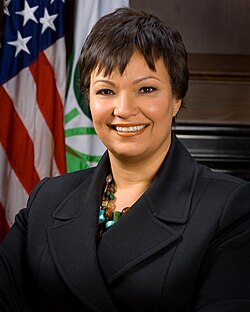
- Leadership: Led by CEO Sebastian Troëng and Interim Board Chair Lisa P. Jackson.
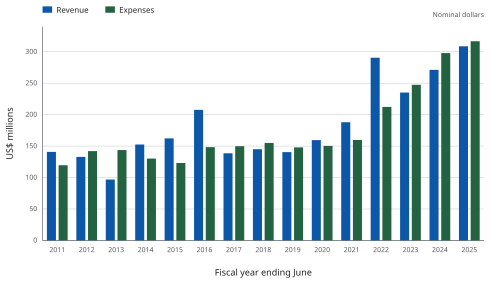
- Financials (2024): Reported US$271 million in revenue and US$298 million in expenses.
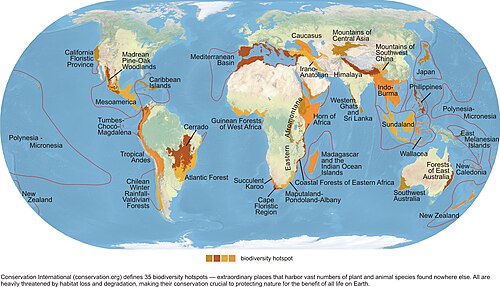
- Core Strategy: Utilizes biodiversity hotspots and conservation finance to prioritize global efforts.
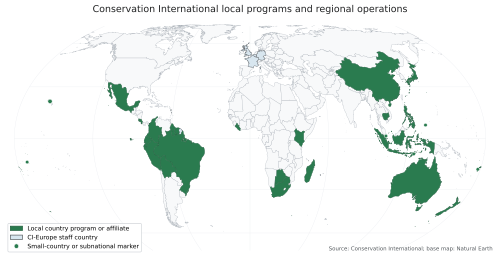
- Global Reach: Operates through country programs and affiliates across the Americas, Africa, and the Asia-Pacific.
History and Evolution
Founding and the Rise of Conservation Finance
Conservation International made history in July 1987 by signing one of the first debt-for-nature swaps with the Government of Bolivia. In this arrangement, CI acquired US$650,000 of Bolivian external debt for US$100,000. In exchange, Bolivia provided maximum legal protection for the Beni Biological Station Biosphere Reserve and created three additional protected areas. This pioneering move established conservation finance—the use of financial tools to fund environmental protection—as a cornerstone of CI's identity.

Scientific Innovation in the 1990s
In 1990, the organization launched the Rapid Assessment Program (RAP), designed to generate quick biological data from field surveys to inform urgent conservation decisions. By 1998, CI scientists introduced a priority-setting framework that combined the identification of biodiversity hotspots—regions with high levels of endemic species under threat—and major tropical wilderness areas.
Strategic Partnerships in the 2000s
The turn of the millennium saw CI expand its collaborative reach. In 2000, it helped launch the Critical Ecosystem Partnership Fund (CEPF) alongside the World Bank and the Global Environment Facility. This multi-donor grantmaking initiative supports civil-society projects specifically within biodiversity hotspots. The fund later grew to include the John D. and Catherine T. MacArthur Foundation (2001) and the Government of Japan (2002).
Global Programs and Regional Impact
The Americas
CI has a deep footprint in Latin America, focusing on forest conservation and sustainable livelihoods. In Peru, the organization has utilized REDD+ (Reducing Emissions from Deforestation and Forest Degradation) finance in the Alto Mayo Protection Forest. In 2023, a Tropical Forest and Coral Reef Conservation Act debt-for-nature swap redirected over US$20 million toward the Peruvian Amazon.
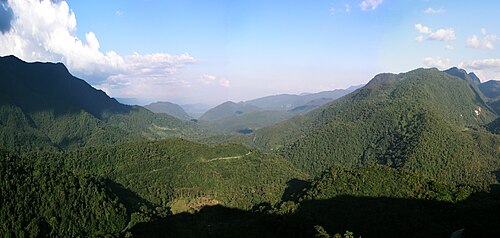
In Colombia, CI has worked since 1991, recently joining the Herencia Colombia initiative in 2022 to secure approximately US$245 million for the long-term management of protected areas. In Suriname, CI helped establish the 1.6 million-hectare Central Suriname Nature Reserve, a UNESCO World Heritage Site.
Africa
CI's African operations emphasize community-linked resource management. In Botswana, the organization has worked on the Okavango Delta and the Western Kgalagadi Conservation Corridor. In Madagascar, CI focuses on forest corridors, such as the Ankeniheny-Zahamena Corridor (CAZ), which covers roughly 425,000 hectares and utilizes carbon finance to fund management and local livelihoods.

Asia-Pacific
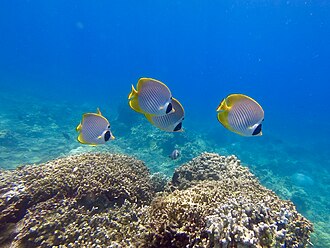
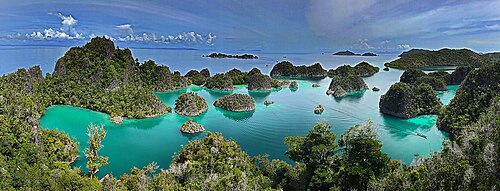
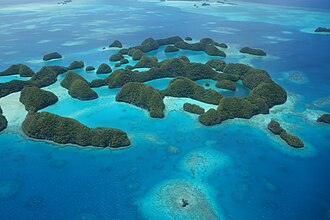
Marine conservation is a primary focus in the Asia-Pacific region. In the Philippines, CI has supported a network of 69 marine protected areas in the Verde Island Passage. In Samoa, the organization's efforts culminated in the June 2025 legal adoption of the Samoa Marine Spatial Plan, which protects 30% of the nation's ocean area.
Other notable efforts include forest restoration in Australia through the Priceless Planet Coalition and carbon-credit finance projects in Cambodia's Prey Lang Wildlife Sanctuary.
Organizational Overview
| Category | Details |
|---|---|
| Legal Status | 501(c)(3) Nonprofit (USA) |
| CEO | Sebastian Troëng |
| Interim Board Chair | Lisa P. Jackson |
| Revenue (2024) | US$271 Million |
| Expenses (2024) | US$298 Million |
| Staff Size (2025) | 1,600+ Employees |
Frequently Asked Questions
What is a debt-for-nature swap?
A debt-for-nature swap is a financial mechanism where a portion of a developing nation's foreign debt is forgiven or purchased by an organization like Conservation International in exchange for the local government's commitment to invest in environmental conservation projects.
What are biodiversity hotspots?
Biodiversity hotspots are biogeographic regions that contain significant levels of biodiversity—specifically high numbers of endemic species—but are under severe threat from human activities.
What is the purpose of the Rapid Assessment Program (RAP)?
The RAP is a survey initiative designed to quickly gather biological information from field assessments, allowing conservationists to make informed, timely decisions about which areas require the most urgent protection.
How does CI involve the private sector?
CI engages in corporate partnerships and conservation-finance initiatives, such as the Priceless Planet Coalition with Mastercard, to fund restoration projects and integrate sustainability into corporate commitments.
What is the Critical Ecosystem Partnership Fund (CEPF)?
The CEPF is a multi-donor grantmaking partnership involving CI, the World Bank, the Global Environment Facility, and other partners that provides funding to civil-society organizations working in biodiversity hotspots.