Conscription and the Global History of the Military Draft
Conscription, commonly referred to as the draft in American and Philippine English, is the legally enforced compulsory enlistment of citizens into a national service, most typically the military. While the practice dates back to antiquity, it has evolved from ancient levies into complex modern systems of national defense.
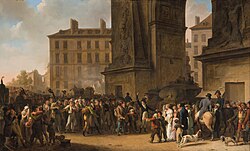
The foundation of the modern near-universal conscription system for young men emerged during the French Revolution in the 1790s. This shift allowed for the creation of massive, powerful armies that fundamentally changed the nature of warfare. Following France's example, many European nations adopted similar peacetime systems where men served on active duty for a period ranging from one to eight years before transitioning into reserve forces.
Key Facts
- Definition: Compulsory enlistment in national or military service enforced by law.
- Modern Origin: The current system of universal male conscription began during the French Revolution.
- Gender Shifts: Norway and Sweden were the first to conscript women on the same legal terms as men; Denmark is set to follow in 2026.
- Global Trends: Many states have shifted toward professional volunteer militaries, though some retain the right to draft during crises.
- Alternative Service: Some countries offer non-combat roles or civil service (e.g., siviilipalvelus in Finland) for objectors.
The Evolution of Compulsory Service
![Registration of Christian boys for the tribute in blood. Ottoman miniature painting, 1558.[18]](/images/59/4b/594beb3c468914bf3c5456ea9f10c9dde08c2319218e379174e1781487004499.jpg)
Pre-Modern and Medieval Systems
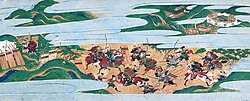
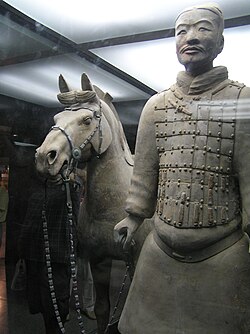
Before the modern era, various forms of forced service existed. These included the Ilkum system and the Roman Dilectus. During the medieval period, states relied on medieval levies and, in some instances, military slavery to fill their ranks.
The Rise of the Modern Draft
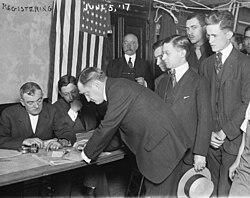
The 19th and 20th centuries saw the expansion of the draft to support total war efforts. The World Wars necessitated unprecedented levels of mobilization, leading to the widespread use of the draft across the globe.
Controversies and Objections
![Ottoman Mamluk lancers, early 16th century. Etching by Daniel Hopfer (c. 1526–1536), British Museum, London.[71]](/images/10/64/1064c9c80a945523f21d870c9fceb2fdea553312946083a469d3909ed03fc067.jpg)
Conscription remains a deeply polarizing issue, sparking debate over individual liberties and state authority. Common points of contention include:
- Conscientious Objection: Refusal to serve based on religious or philosophical beliefs.
- Political Objection: Opposition to a specific government or an unpopular war.
- Ideological Concerns: The view that the draft is a violation of fundamental individual rights or constitutes involuntary servitude.
- Sexism: Historically, the draft has targeted men almost exclusively, leading to claims of gender discrimination.
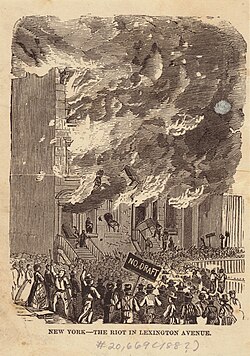
To mitigate these conflicts, some nations provide alternative service. For example, Austria and Switzerland offer Zivildienst (compulsory community service), allowing citizens to contribute to society without engaging in military combat.
Gender and Conscription
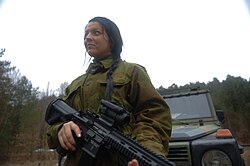
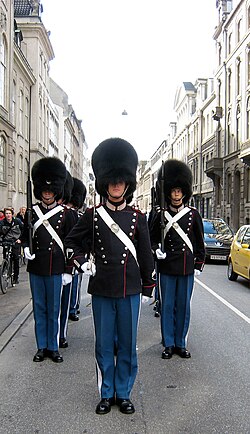
For most of modern history, conscription was a male-only obligation. However, this has begun to change. Norway became the first NATO member in 2015 to implement legally compulsory national service for both men and women on equal terms. Sweden followed a similar path, and Denmark has ruled to implement such a system by 2026.
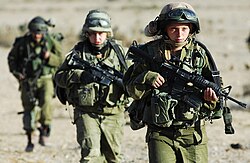
Some nations, such as Israel, have long maintained conscription for both men and women, though specific exemptions exist for certain populations, such as non-Jewish Arab citizens.
Current Global Status
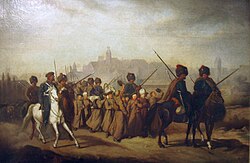
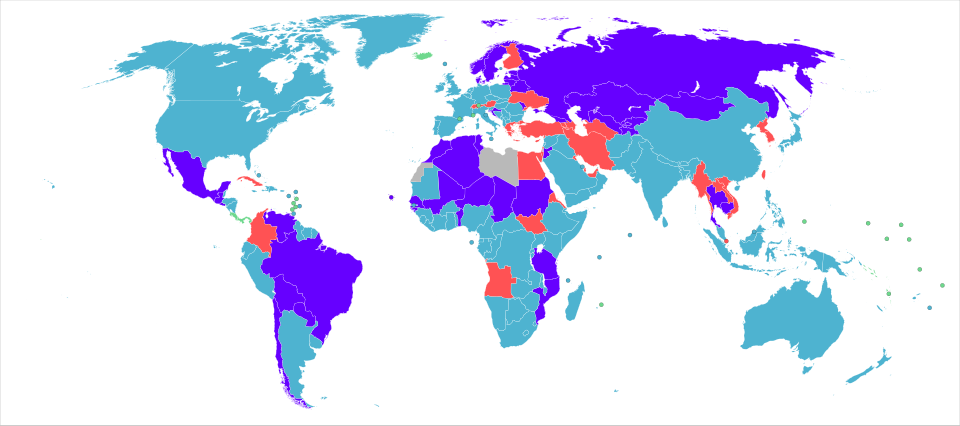
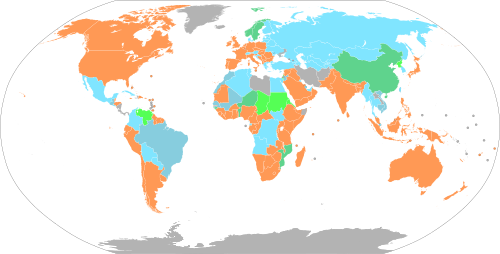
As of 2025, the global landscape of conscription is varied. Many democracies have moved toward professional, volunteer-based militaries. Former British colonies, influenced by anti-conscription norms dating back to the English Civil War, are generally less likely to employ the draft, with exceptions like Singapore and Egypt.
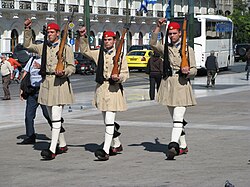
In the United States, conscription has not been enforced since 1973. In Europe, while many countries ended the practice after the Cold War, it remains active in Finland, Switzerland, Austria, Greece, Cyprus, Turkey, and several former Eastern Bloc nations.
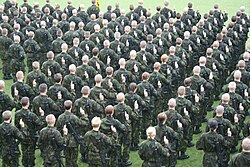
| Country | Conscription Status | Gender Applied |
|---|---|---|
| Norway | Yes | Male and Female |
| South Korea | Yes | Male |
| Israel | Yes | Male and Female (with exemptions) |
| Finland | Yes (Alternative available) | Male |
| United States | No (Not enforced since 1973) | N/A |
| United Kingdom | No (Abolished 1960) | N/A |
| Denmark | Yes (Expanding in 2026) | Male (Female from 2026) |
Frequently Asked Questions
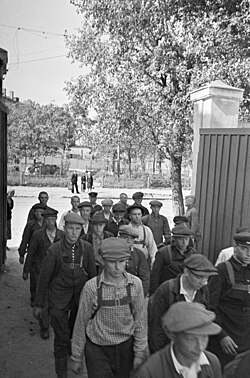
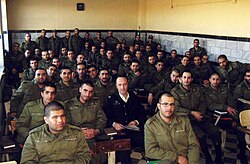
What is the difference between conscription and a professional military?
Conscription is a compulsory system where the law requires citizens to enlist. A professional military relies on volunteers who choose to serve as a career or for a set term in exchange for pay and benefits.
What is conscientious objection?
Conscientious objection is the refusal to perform military service based on religious, moral, or philosophical grounds. Some countries accommodate this through alternative civil service roles.
Which countries draft women on the same terms as men?
Norway and Sweden are primary examples of nations that conscript women on the same legal terms as men. Denmark is also moving toward this model by 2026.
Why do some countries still use conscription?
States involved in interstate rivalries or those facing significant security threats often use conscription to ensure a large, ready force. It is also sometimes used for paramilitary duties, such as border guarding or civil defense.
Can people legally avoid the draft?
While laws vary, some individuals evade service by leaving their country to seek asylum elsewhere. Legally, some may apply for exemptions based on health, family status, or conscientious objection, depending on the national law.