Community Boards: Roles and Responsibilities in City Governance
Community Boards serve as vital links between local residents and the city government. While they are legally defined as public bodies and governmental agencies, it is important to note that they operate in an advisory capacity. This means they do not possess the official authority to create or enforce laws, but instead provide critical recommendations and a platform for community voice.
Key Facts
- Advisory Status: Community Boards recommend actions but cannot legally mandate them.
- Land Use Influence: They provide input on zoning and development through the ULURP process.
- Service Coordination: District managers and service cabinets coordinate local agency delivery.
- Budgetary Input: Boards submit annual needs statements to influence city spending.
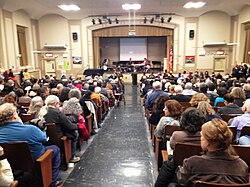
- Public Participation: Boards host hearings to gather community feedback on local projects and budgets.
Land Use and Zoning
One of the most significant roles of a Community Board is its involvement in the Uniform Land Use Review Procedure (ULURP). This is the formal process used by the city to review applications regarding the use, development, or improvement of real property. Once the Department of City Planning certifies an application as complete, affected community boards and borough boards may hold public hearings and submit recommendations to the City Planning Commission.
ULURP applications typically cover changes to zoning, the use of public sidewalks and streets, or projects involving city facilities. However, not all projects require this review; "as-of-right" projects—where the city has no discretionary power—are exempt from community review.
Special-Use Permits and Variances
While the City Planning Commission handles large-scale projects, the Board of Standards and Appeals typically manages local special-use permits and zoning variances. This includes installations such as gas stations, camps, clubs, and public utilities. In these cases, community and borough boards are permitted to review and recommend applications.
Community Mobilization
Beyond formal procedures, Community Boards act as mobilizing institutions. They provide a structured way for residents to articulate opposition to specific projects. When successful, this pressure can force developers or the city to negotiate or modify their plans to better suit the neighborhood.
Service Delivery and Coordination
To ensure city services reach residents efficiently, each board is led by a district manager who oversees an office and staff. Their primary goal is to coordinate service delivery within the community.
This effort is supported by the District Service Cabinet (DSC), which consists of representatives from various local service agencies. In practice, the boards primarily function as a hub for outreach and complaint handling, though they have limited power to fundamentally change how services are tailored.
The City Budget Process
Community Boards actively participate in the city's budget process by assessing neighborhood needs and meeting with agencies to make recommendations. While they contribute to capital budgeting, their overall impact on final budget allocations has historically been minimal.
The Statement of Community District Needs
The primary tool for this process is the annual Statement of Community District Needs. This document helps the city prioritize infrastructure repairs and service delivery. City agencies are legally required to respond to all requests in these statements, regardless of available funding.
The Department of City Planning (DCP) supports boards by providing training, guidance, and demographic data. The process follows a strict annual timeline:
- June to August: Boards review needs and consult with agencies on capital and expense priorities.
- September to October: Public hearings are held for community input, and final submissions are sent to the DCP.
- October to March: The Mayor's Office of Management and Budget (OMB) reviews requests, and agencies provide responses between January and March.
- January to June: The Mayor releases the preliminary budget (Jan 16), boards hold responsiveness hearings (Feb 15), and the City Council adopts the final budget (June 5).
In June, the OMB publishes the Register of Community Board Requests for the Executive Budget, allowing boards to see final dispositions and plan for the next cycle.
Summary of Community Board Functions
| Area of Responsibility | Primary Mechanism | Nature of Authority |
|---|---|---|
| Land Use & Zoning | ULURP / Board of Standards and Appeals | Advisory / Recommendation |
| Service Delivery | District Manager / Service Cabinet (DSC) | Coordination & Outreach |
| City Budget | Statement of Community District Needs | Request & Recommendation |
| Community Advocacy | Public Hearings & Mobilization | Consultative |
Frequently Asked Questions
Do Community Boards have the power to pass laws?
No. Community Boards are advisory bodies and do not have the official authority to make or enforce laws.
What is ULURP?
The Uniform Land Use Review Procedure (ULURP) is the process used to review applications for the development or improvement of real property, including zoning changes and the use of city land.
What happens to "as-of-right" projects?
Projects that are "as-of-right" are those where the city has no discretion over the approval; consequently, they are not subject to community board review.
How do Community Boards influence the city budget?
They submit an annual Statement of Community District Needs, which identifies infrastructure and service priorities. While agencies must respond to these requests, the final budget is decided by the Mayor and City Council.
Who manages the day-to-day operations of a Community Board?
Each board is led by a district manager who coordinates the delivery of services and manages the board's office and staff.