Colonial Brazil: From Portuguese Arrival to the United Kingdom (1500–1815)
Colonial Brazil, often referred to as Portuguese America, represents a transformative era spanning over three centuries. Beginning with the arrival of Portuguese explorers in 1500 and concluding in 1815, this period saw the territory evolve from a remote outpost into a vast kingdom. The history of this era is defined by three major economic cycles—brazilwood, sugar, and gold—and a complex social structure built upon the labor of Indigenous peoples and enslaved Africans.
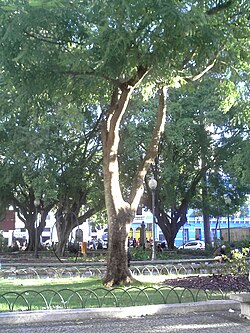
The Portuguese presence in South America began on April 22, 1500, under the reign of King Manuel I. Initially, the Portuguese focused on the extraction of brazilwood, a tree prized for its dark wood and the red dye it produced, which eventually gave the country its name.
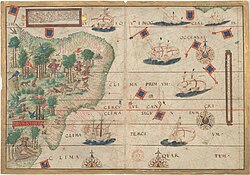
Key Facts
- Duration: 1500 to 1815.
- Economic Drivers: Brazilwood extraction, sugar production, and gold/diamond mining.
- Capitals: Salvador (1549–1763) and Rio de Janeiro (1763–1815).
- Labor Force: Primarily enslaved Africans, following an initial period of Indigenous slavery.
- Final Status: Elevated to a kingdom in 1815 as part of the United Kingdom of Portugal, Brazil and the Algarves.
The Evolution of Colonial Administration
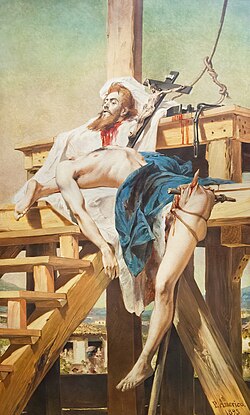
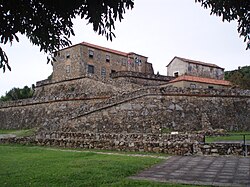
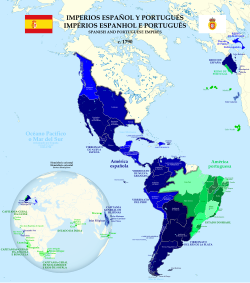
The Portuguese crown implemented several administrative structures to manage the vast territory. Initially, the land was divided into captaincies—private and autonomous colonies established between 1534 and 1549.
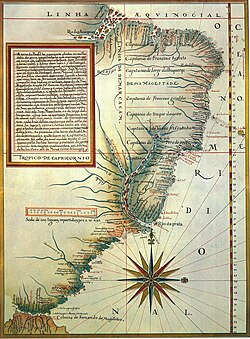
To centralize control, the Governorate General of Brazil was established in 1549, with Tomé de Sousa serving as the first governor-general. Over time, the administration fluctuated between a unified government and split governorates (Bahia and Rio de Janeiro). By 1775, all territories—including Maranhão and Grão-Pará—were unified into the Viceroyalty of Brazil, with Rio de Janeiro serving as the capital.
Religious and Social Influence
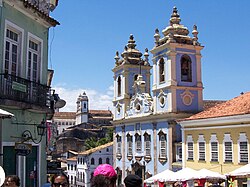
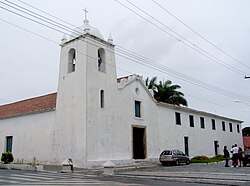
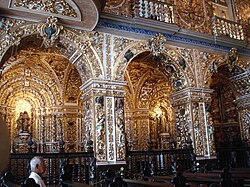
The Catholic Church played a pivotal role in colonization. Jesuit missions were instrumental in managing Indigenous populations and assisting the crown in expelling foreign rivals, such as the French Huguenots from France Antarctique. This period saw the rise of distinct architectural styles, from Jesuit churches to the golden Baroque decorations of the 18th century.
Economic Cycles and Labor
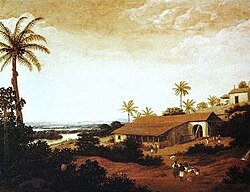
The Sugar Cycle (1530–1700)
Following the brazilwood era, the economy shifted toward sugar production. This required massive labor forces and led to the establishment of engenhos (sugar-producing farms). While Indigenous people were initially enslaved, the Portuguese transitioned to the large-scale importation of enslaved Africans to sustain the export economy.
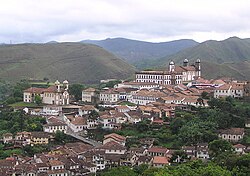
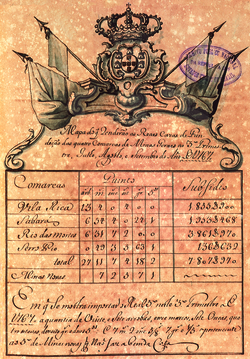
The Gold Cycle (18th Century)
The discovery of gold and diamonds in the interior, particularly in Minas Gerais, triggered a massive inland expansion. This "gold rush" led to the founding of new settlements like Ouro Preto and shifted the economic center of gravity toward the south, prompting the transfer of the capital to Rio de Janeiro in 1763.
Resistance and Cultural Exchange
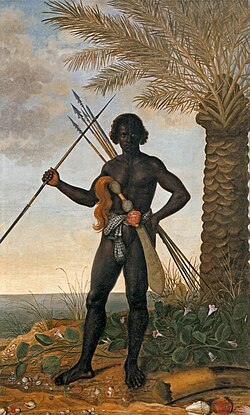
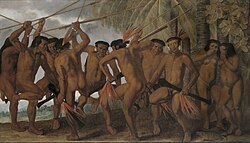
The brutality of slavery led to significant resistance. Enslaved people established quilombos—runaway slave settlements—the most famous being Palmares, led by Ganga Zumba. This era was also marked by intense race mixing and cultural exchange along the frontier.
Political Shifts and the Path to Kingdom Status
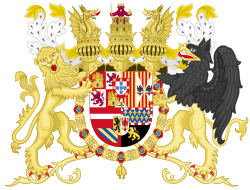
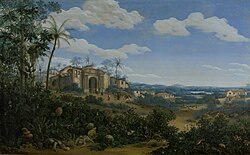
Brazil's political status was often tied to the Portuguese crown's European struggles. During the Iberian Union (1580–1640), the Spanish and Portuguese crowns were merged under Philip II, which altered colonial alliances and invited Dutch incursions into northeastern Brazil between 1630 and 1654.
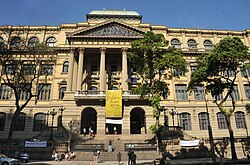
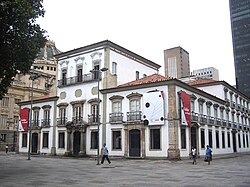
The final phase of the colonial era began in 1808, when Prince Regent John fled Napoleon Bonaparte's forces and moved the Portuguese Royal Court to Rio de Janeiro. This transformed the city into the center of the Portuguese Empire, leading to the establishment of the National Library and the use of the Paço Imperial as a royal dispatch house.
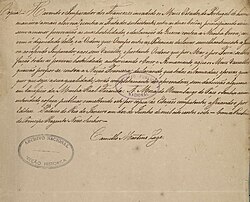
In 1815, Brazil officially ceased to be a colony and was elevated to the rank of a kingdom, forming the United Kingdom of Portugal, Brazil and the Algarves. This political union lasted until 1822, when Brazil declared its independence.
Colonial Brazil Summary
| Category | Details |
|---|---|
| Official Language | Portuguese (alongside Nheengatu and Indigenous languages) |
| Official Religion | Catholicism |
| Government Type | Absolute Monarchy |
| Total Area | 8,100,200 km² |
| Currency | Portuguese real |
| Key Capitals | Salvador, Rio de Janeiro |
Frequently Asked Questions
What were the three main economic cycles of colonial Brazil?
The three main cycles were the brazilwood cycle (extraction of dye-producing wood), the sugar cycle (large-scale plantation agriculture), and the gold cycle (mining of gold and diamonds in the interior).
Who provided the primary labor for the colonial economy?
While Indigenous peoples were initially enslaved to extract brazilwood, the majority of the workforce for the sugar and gold industries consisted of enslaved people brought from Africa.
Why was the capital moved from Salvador to Rio de Janeiro?
The capital was moved in 1763 primarily due to the economic shift caused by the gold rush in Minas Gerais, which made Rio de Janeiro a more strategic port for exporting minerals and managing the south.
What was the Iberian Union?
The Iberian Union (1580–1640) was a period when the crowns of Spain and Portugal were united under a single monarch, specifically Philip II of Spain (Philip I of Portugal), which impacted Brazil's colonial administration and foreign relations.
How did Brazil transition from a colony to a kingdom?
Following the arrival of the Portuguese Royal Court in 1808 to escape Napoleon, Brazil's importance grew. In 1815, it was elevated to a kingdom in union with Portugal and the Algarves, ending its status as a colony.