Cold War: The Global Struggle Between Superpowers (1947–1991)
The Cold War was a period of intense political, economic, and military tension that spanned nearly 45 years, from March 12, 1947, to December 26, 1991. Unlike a traditional war, it was characterized by a lack of direct large-scale fighting between the two primary adversaries: the United States and the Soviet Union. Instead, the conflict manifested through ideological competition, proxy wars, and a perilous nuclear arms race that shaped the modern geopolitical landscape.
Key Facts
- Duration: 44 years and 9 months.
- Primary Adversaries: The United States (and its NATO allies) versus the Soviet Union (and the Warsaw Pact).
- Core Ideologies: Capitalism and liberal democracy versus Communism and a planned economy.
- Key Strategy: Containment, the US policy aimed at preventing the spread of communism.
- Defining End: The dissolution of the Soviet Union in December 1991.
The Early Years: Containment and the Iron Curtain (1947–1953)
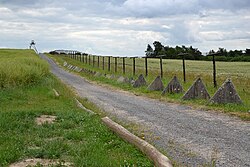
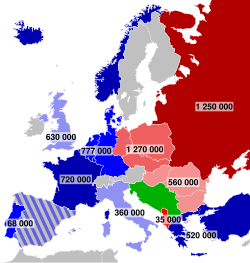
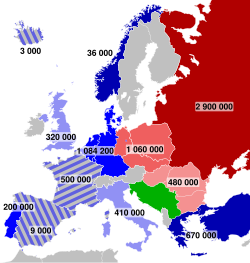
Following the aftermath of World War II, the alliance between the West and the USSR collapsed. The term Iron Curtain was used to describe the political and military barrier that separated the democratic West from the communist East in Europe.
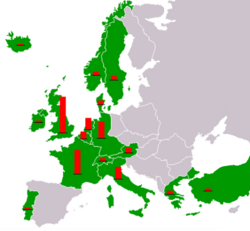
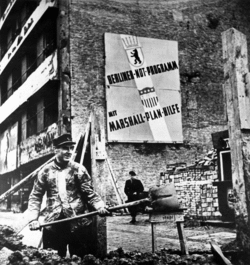
To counter Soviet influence, the United States implemented the Truman Doctrine, a policy of containment. A central pillar of this effort was the Marshall Plan, a massive economic aid package designed to rebuild Western Europe and prevent economic instability from fueling communist uprisings.
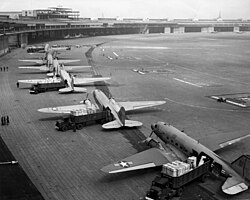
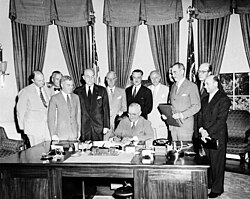
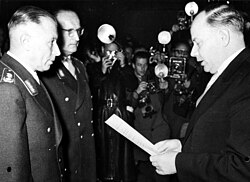
Tensions escalated quickly, leading to the Berlin Blockade and the subsequent formation of NATO (North Atlantic Treaty Organization), a collective defense alliance. In response, the Soviet Union established the Warsaw Pact to unify its satellite states in Eastern Europe.
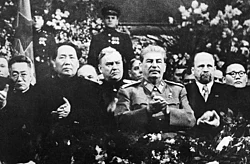
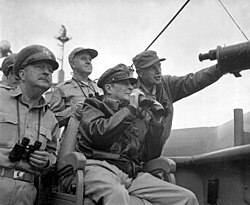
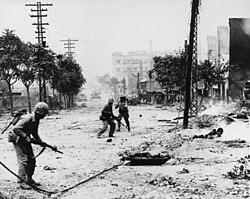
The conflict soon expanded beyond Europe. The Chinese Civil War led to the rise of Mao Zedong, and the Korean War (1950–1953) became the first major "hot" proxy conflict of the era, where the US and UN forces fought to repel a North Korean invasion.
Escalation and the Nuclear Arms Race (1953–1962)
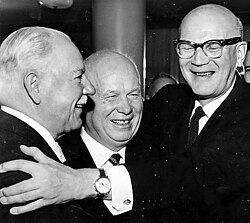
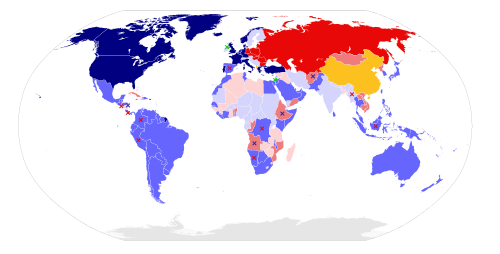
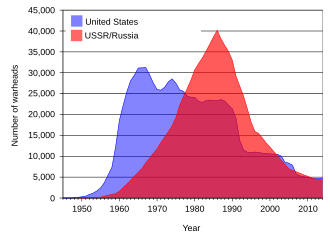
The mid-century was marked by de-Stalinization under Nikita Khrushchev and a terrifying acceleration of the nuclear arms race. Both superpowers stockpiled atomic weapons, creating a state of Mutually Assured Destruction (MAD).
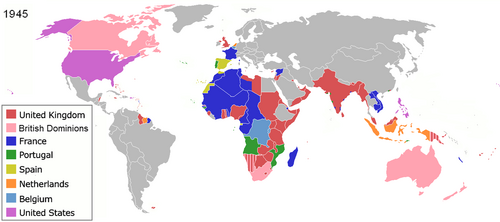
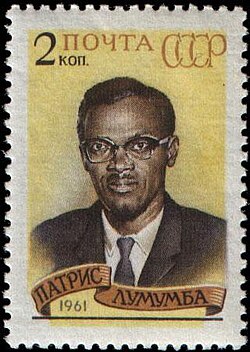
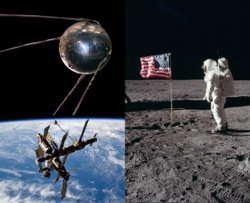
Competition extended into the Space Race, beginning with the Soviet launch of Sputnik 1 and culminating in the American moon landing. Meanwhile, the struggle for influence shifted toward the "Third World," with both powers intervening in Asia, Africa, and Latin America.
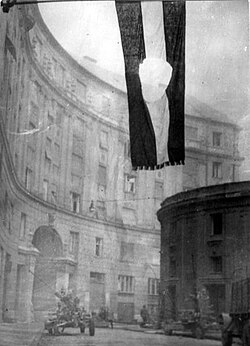
![Map showing greatest territorial extent of the Soviet Union and its aligned states, 1960, after the Cuban Revolution of 1959 but before the official Sino-Soviet split of 1961 (total area: c. 35,000,000 km2)[G]](/images/85/d3/85d3bc172d54a5c82cf88ae9dbfc3e040ab124fe3c10c18be6bbf02c39225a9d.png)
The most dangerous moment of the Cold War occurred during the Cuban Missile Crisis of 1962. After the Cuban Revolution brought Fidel Castro to power, the USSR placed nuclear missiles in Cuba, bringing the world to the brink of nuclear war before a diplomatic resolution was reached.
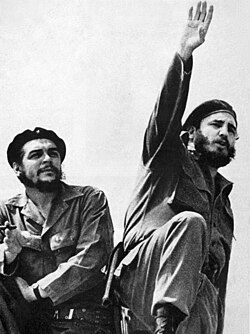
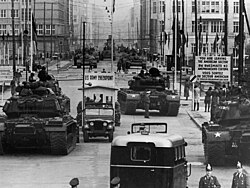
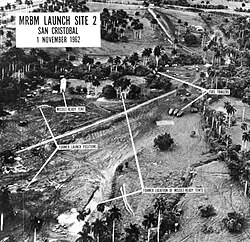
Détente and the Vietnam Era (1962–1979)
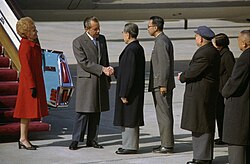
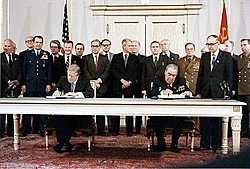
Following the Cuban crisis, a period of détente (a French term for the easing of strained relations) began. This era saw attempts to limit nuclear weapons through treaties and increased diplomatic communication, such as the visit of Richard Nixon to China.
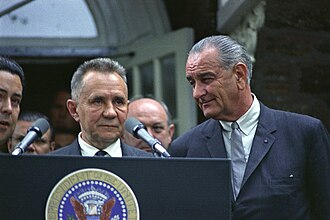
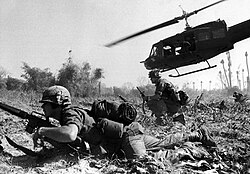
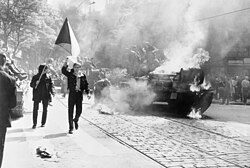
However, stability was fragile. The United States became deeply embroiled in the Vietnam War, a grueling conflict intended to stop the spread of communism in Southeast Asia. Simultaneously, the Soviet Union maintained its grip on Eastern Europe, as seen in the 1968 invasion of Czechoslovakia.
The Final Phase: Renewal and Collapse (1979–1991)
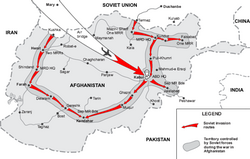
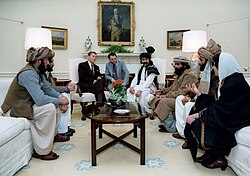
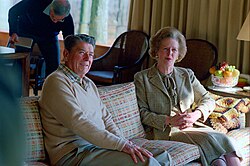
Détente ended abruptly with the Soviet invasion of Afghanistan in 1979. Under President Ronald Reagan and Prime Minister Margaret Thatcher, the West renewed its aggressive stance against the "Evil Empire," increasing military spending and supporting anti-communist movements like the Polish Solidarity movement.
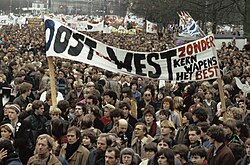
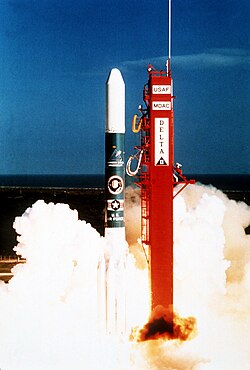
The tide turned in the mid-1980s with the rise of Mikhail Gorbachev. He introduced reforms known as glasnost (openness) and perestroika (restructuring). These changes, combined with economic stagnation, led to a thaw in relations and the eventual collapse of communist regimes across Eastern Europe.
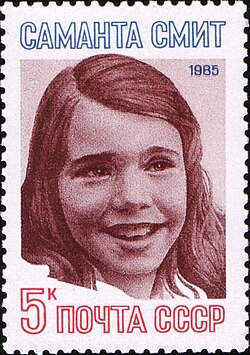
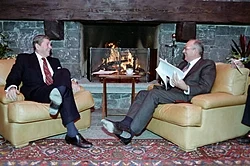
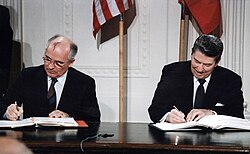
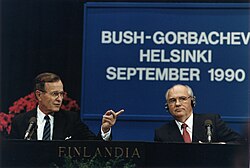
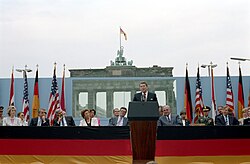
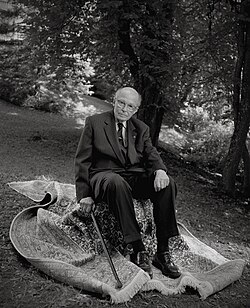
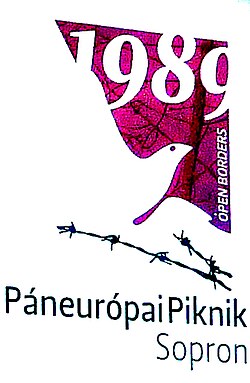
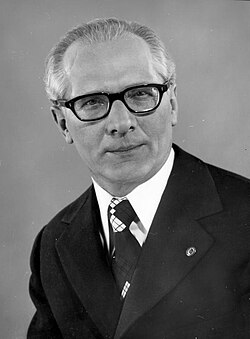
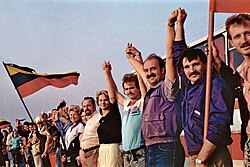
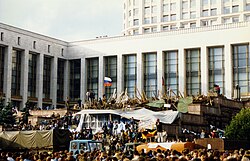
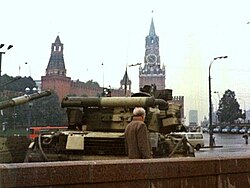
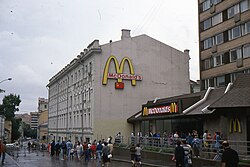
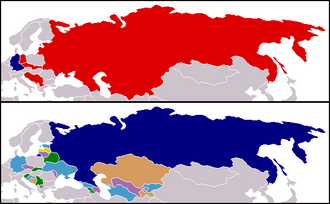
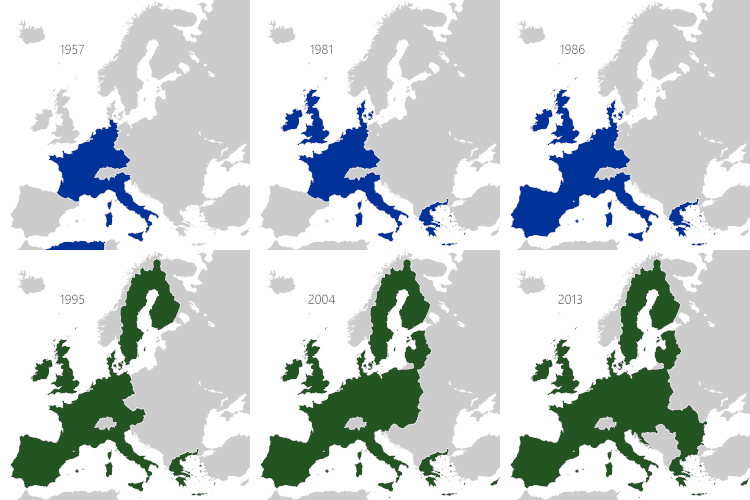
The symbolic end of the era was marked by the fall of the Berlin Wall in 1989 and the subsequent dissolution of the Soviet Union in 1991. This led to a period of decommunization and the expansion of the European Union and NATO into former Warsaw Pact territories.
![NATO psyop flyer during the Kosovo War 1999[375]](/images/af/24/af244f49a2625f53e17c6e3ead9d29e63d52134e94ed09599c743425e2036602.jpg)
Cold War Summary Table
| Feature | Western Bloc (USA) | Eastern Bloc (USSR) |
|---|---|---|
| Primary Alliance | NATO | Warsaw Pact |
| Economic System | Capitalism / Market Economy | Communism / Planned Economy |
| Key Strategy | Containment | Expansion of Socialist Sphere |
| Major Proxy Wars | Korea, Vietnam | Korea, Vietnam, Afghanistan |
Frequently Asked Questions
What was the primary cause of the Cold War?
The Cold War was caused by deep ideological differences between the United States' capitalism and democracy and the Soviet Union's communism, combined with mutual distrust following their uneasy alliance during World War II.
What was the purpose of the Marshall Plan?
The Marshall Plan provided economic aid to Western European countries to help them rebuild after World War II, with the goal of creating stable economies that would be resistant to communist influence.
What was the Cuban Missile Crisis?
It was a 13-day confrontation in 1962 between the US and the USSR over the installation of Soviet nuclear missiles in Cuba, representing the closest the world ever came to a full-scale nuclear war.
How did the Cold War finally end?
The Cold War ended through a combination of Soviet economic failure, the reformist policies of Mikhail Gorbachev, and popular uprisings in Eastern European satellite states, culminating in the dissolution of the Soviet Union in 1991.
What was the "Space Race"?
The Space Race was a competition between the US and USSR to achieve firsts in space exploration, serving as a demonstration of scientific and ideological superiority.