Cochineal: The Ancient Insect Dye That Colored the World
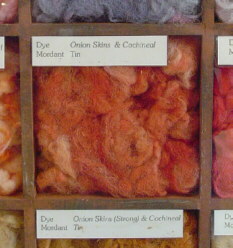
For centuries, a tiny insect has held a massive influence over the world of art, fashion, and food. Cochineal, a scale insect of the family Dactylopiidae, is the source of one of the most vibrant and enduring red dyes known to humanity. From the royal robes of Catholic cardinals to the iconic uniforms of the British "Redcoats," this natural pigment has shaped visual history.
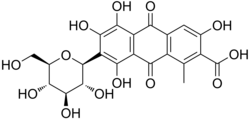
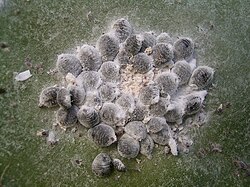
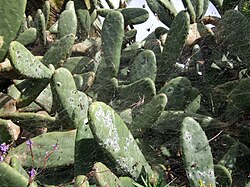
Unlike many other dyes, cochineal is derived from the female Dactylopius coccus, which lives in a symbiotic yet parasitic relationship with the Opuntia cactus, commonly known as the prickly pear. The insect produces carminic acid, a chemical compound used to deter predators, which humans have harvested for millennia to create a spectrum of crimson and scarlet hues.
Key Facts
- Source: Produced from the female Dactylopius coccus insect.
- Host Plant: Primarily the Opuntia (prickly pear) cactus.
- Active Compound: Carminic acid, which forms the dye known as carmine.
- Production Scale: Approximately 70,000 insects are required to produce one pound of dye.
- Modern Labeling: Identified as additive E 120 in the European Union.
The Biology and Production of Carmine
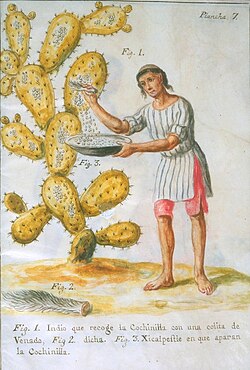
The production of cochineal dye is a labor-intensive process. Female insects are collected from their host cacti and killed using various methods, including immersion in hot water, exposure to sunlight, steam, or oven heat. The specific method of killing the insect influences the final shade of the dye.
To prevent decay during storage, the insects must be dried until they reach roughly 30% of their original body weight. The resulting substance is used to create carmine, which consists of the insoluble aluminium and calcium salts of carminic acid.
Host Plants and Distribution
Cochineal insects are naturally found on Opuntia species. While historically centered in Mexico and Peru, they have been introduced to other regions, sometimes with ecological consequences.
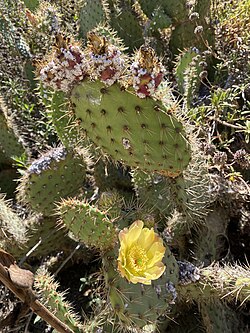
In California and the Canary Islands, cochineal continues to be found on cacti, maintaining a link to the traditional agricultural practices of the region.
A History of Monopoly and Espionage
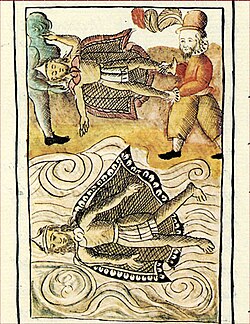
In the pre-Columbian era, cochineal was already a prized resource in Peru and Mexico, used extensively in textiles and manuscripts. Following the Spanish conquest, Spain and Portugal established a global monopoly on the dye, keeping the source a closely guarded secret to maintain high prices in European markets.
The dye became a symbol of status and power. In 1454, Pope Paul II transitioned the robes of Catholic cardinals from purple to a vibrant red, a color that by 1558 was achieved using American cochineal. It also became the standard for the officers' uniforms of the British Army.
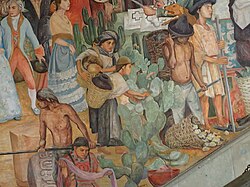
The monopoly was eventually challenged through espionage and war. In 1777, French botanist Nicolas-Joseph Thiéry de Menonville attempted to smuggle insects and cactus pads to Saint Domingue, though this specific attempt failed. The Mexican monopoly finally collapsed following the Mexican War of Independence (1810–1821), leading to large-scale production in Guatemala, Spain, and North Africa.
Ecological Impacts and Failed Farming
The desire for a domestic cochineal industry led to several ecological disasters. In 1788, Captain Arthur Phillip brought cochineal-infested Opuntia plants from Brazil to Australia. While the insects died off, the cacti thrived, invading 100,000 square miles of eastern Australia. This plague was only resolved in the 1920s through the introduction of the Cactoblastis cactorum moth, whose larvae feed on the cactus.
Similarly, in Ethiopia, a cochineal business collapsed due to community conflicts, but the insects remained and became a pest. By 2014, approximately 16,000 hectares of cactus land were infested.
Modern Applications and Synthetic Alternatives
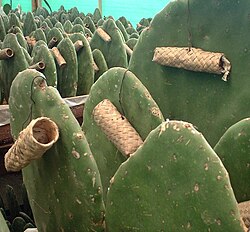
Today, cochineal remains a commercially viable product, with Peru and the Canary Islands serving as significant producers. However, it faces stiff competition from synthetic dyes, which are considerably cheaper.
| Feature | Cochineal (Natural) | Synthetic Food Dyes |
|---|---|---|
| Market Price (per kg) | US$ 50 – 80 | US$ 10 – 20 |
| Production Complexity | High (Biological harvest) | Low (Chemical synthesis) |
| Chemical Structure | Complex (Carminic acid) | Simplified molecules |
Due to the complexity of carminic acid, it was not synthesized in a laboratory until 1991. More recently, scientists have used genetic engineering to produce the acid using the fungus Aspergillus nidulans (2018) and the bacterium Escherichia coli (2021).
Health Risks and Labeling
While generally safe, carmine can cause allergic reactions in a small number of people, ranging from occupational asthma and rhinitis to rare cases of anaphylactic shock. Consequently, the FDA requires that cosmetics and foods containing cochineal extract or carmine be clearly labeled. In the EU, it is listed as additive E 120.
Frequently Asked Questions
What is the difference between cochineal and carmine?
Cochineal refers to the insect (Dactylopius coccus) and the raw dried insect used for dye. Carmine is the specific red pigment produced from the carminic acid found within those insects, typically processed as an aluminium or calcium salt.
Is cochineal dye safe for everyone to consume?
For the vast majority of the population, it is safe. However, some individuals may experience allergic reactions, including food allergies or respiratory hypersensitivity. Those with known allergies to carmine should check labels for "cochineal extract" or "E 120."
Why is cochineal more expensive than synthetic red dyes?
Cochineal requires a massive amount of biological material—roughly 70,000 insects per pound of dye—and a labor-intensive harvesting and drying process. Synthetic dyes are produced via efficient chemical processes at a much larger scale.
Which plants do cochineal insects live on?
They primarily inhabit Opuntia species, which are commonly known as prickly pear cacti. The insects feed on the pads of these cacti to survive and produce their characteristic red acid.
How is cochineal used in science today?
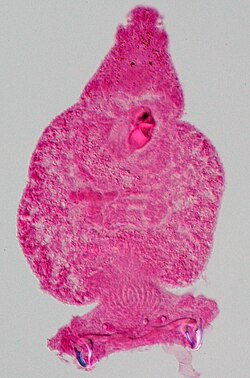
Beyond food and textiles, carmine is used in histology (the study of microscopic tissue) for staining biological samples, such as parasitic worms, to make their structures more visible under a microscope.