Christianity in Syria: History, Demographics, and Modern Challenges
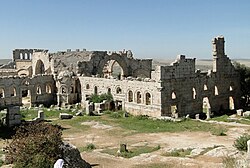
Syria holds a profound place in the history of the Christian faith, serving as a cradle for some of the world's oldest ecclesiastical traditions. From the ancient cities of Antioch and Damascus to the remote monasteries of the desert, the Christian presence in Syria is characterized by a rich tapestry of denominations, languages, and cultural contributions. However, in recent decades, this ancient community has faced unprecedented challenges that have fundamentally altered its demographic landscape.
The Christian population is diverse, speaking primarily Arabic, with minority groups maintaining the use of Aramaic (Syriac) and Armenian. This linguistic and religious diversity reflects centuries of interaction between various autocephalous (self-governing) churches and the broader Mediterranean world.
Key Facts
- Population Decline: Estimates suggest the Christian population dropped from 2.1 million (10%) in 2011 to approximately 300,000 (less than 2%) by 2022.
- Major Denominations: The community is primarily split between Eastern Orthodoxy, Oriental Orthodoxy, and the Catholic Church.
- War Impact: Over 120 churches and places of worship have been destroyed since the start of the Syrian civil war in 2011.
- Geographic Hubs: Significant populations remain in Damascus, Homs, Latakia, and the Assyrian-heavy regions of Al-Hasakah and Qamishli.
The Ecclesiastical Landscape
Christianity in Syria is not a monolithic entity but a collection of distinct traditions. These are broadly categorized into several major branches:
Eastern and Oriental Orthodoxy
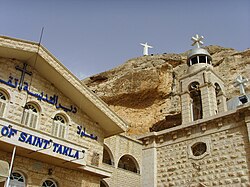
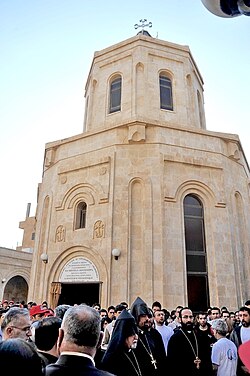
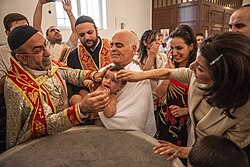
The Eastern Orthodox tradition, primarily represented by the Greek Orthodox Church of Antioch, remains one of the largest groups. Parallel to this is Oriental Orthodoxy, which includes the Syriac Orthodox Church and the Armenian Apostolic Church. These churches are known for their ancient liturgies and deep roots in the region's early Christian history.
The Catholic Church
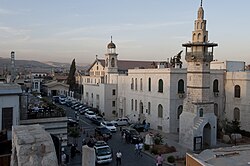
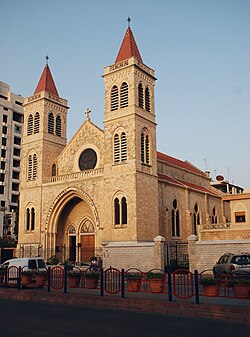
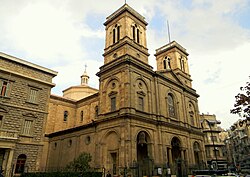
The Catholic presence includes both Eastern Catholic Churches (which are in communion with the Pope in Rome but maintain Eastern rites) and Latin Catholics. Syria's connection to the papacy is historically significant; several popes, including St. Peter (born in Bethsaida, Gaulanitis), St. Anicetus (from Emesa), and St. Gregory III, had Syrian origins or parentage.
Other Traditions
The landscape also includes the Church of the East, Chaldean Catholics, and various Protestant denominations, contributing to the pluralistic nature of Syrian Christianity.
Demographics and Distribution
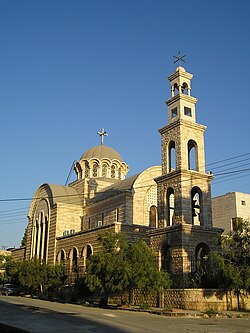
Historically, Christians were well-integrated into Syrian society, with a strong presence in urban centers and specific rural pockets. The distribution of denominations varies by region:
- Damascus: A melting pot containing sizable communities of all denominations.
- Homs, Safita, Saidnaya, and Tartous: Strongholds for the Greek Orthodox Church of Antioch.
- Al-Hasakah and Qamishli: Centers for ethnic Assyrians, predominantly within the Syriac Orthodox Church.
- Khabur River: Home to 35 villages with a large population belonging to the Assyrian Church of the East.
| Denomination Group | Approximate Share | Primary Affiliations |
|---|---|---|
| Eastern Orthodoxy | 35.7% | Antiochian Greeks |
| Oriental Orthodoxy | 33.3% | Armenians and Syriacs |
| Catholic Church | 26.2% | Eastern and Latin Catholics |
| Protestantism | 2.46% | Various |
| Church of the East | 2.31% | Assyrians |
Impact of the Syrian Civil War
The onset of the civil war in 2011 triggered a demographic crisis. Deteriorating living conditions and targeted violence led to large-scale emigration, primarily to Europe. Aid to the Church (ACN) reports a drastic reduction in the population, while the US State Department estimated the remaining Christian population at 2.5-3% as of 2022.
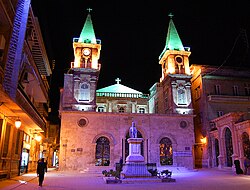
The community has faced severe persecution. ISIS targeted Christians through bombings in Qamishli (2015 and 2016), and other militias have been implicated in attacks on Assyrian checkpoints. The physical heritage of the faith has also suffered, with over 120 churches destroyed. Some recovery efforts have begun, such as the rebuilding of the Armenian Catholic Church of the Martyrs in Raqqa in 2021.
Notable Figures and Cultural Legacy
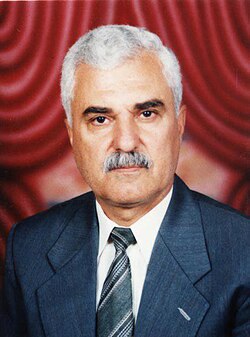
Syrian Christians have played pivotal roles in the nation's political, intellectual, and artistic life. Notable figures include former Prime Minister Fares al-Khoury, philosopher Michel Aflaq, and politician George Sabra. In the arts, the community has produced renowned singers like George Wassouf and Lena Chamamyan, as well as acclaimed actors such as Bassem Yakhour.
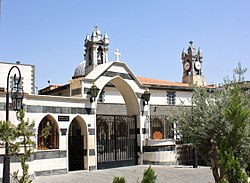
The spiritual legacy continues through the preservation of ancient sites and the resilience of the remaining clergy, including figures like Archbishop Yohanna Ibrahim and Archbishop Paul of Aleppo, both of whom were victims of kidnapping during the conflict.
Frequently Asked Questions
How many Christians currently live in Syria?
Estimates vary; Aid to the Church (ACN) suggests around 300,000 (less than 2% of the population) as of 2022, while the US State Department estimates the figure at 2.5-3%.
What are the main Christian denominations in Syria?
The main groups are the Eastern Orthodox (primarily Greek Orthodox), Oriental Orthodox (Syriac and Armenian), and the Catholic Church (both Eastern and Latin rites).
Why has the Christian population decreased so significantly?
The primary cause is large-scale emigration to Europe, driven by deteriorating living conditions and violence resulting from the Syrian civil war.
Which cities have the largest Christian populations?
Damascus has a diverse community of all denominations, while Homs, Latakia, and Tartous have significant Greek Orthodox populations. Al-Hasakah and Qamishli are key centers for Assyrian Christians.
What is the historical connection between Syria and the Papacy?
Several popes had Syrian origins, including St. Peter, who was from Bethsaida, and St. Anicetus, who was born in Emesa, Syria.