Cesáreo Bernaldo de Quirós: The Master of Argentine Post-Impressionism
Cesáreo Bernaldo de Quirós was a towering figure in Argentine art, renowned for his ability to blend the technical rigor of European training with the raw, spirited essence of his homeland. A master of the Post-Impressionist school—a style that evolved from Impressionism by emphasizing emotional expression and structural form—de Quirós dedicated his life to capturing the soul of the Argentine landscape and its people.
His journey from a restless child in the provinces to an internationally acclaimed artist is a testament to his enduring passion for the gaucho culture and the natural beauty of the South American pampas.
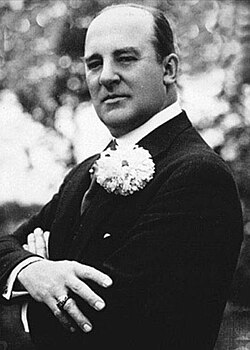
Key Facts
- Born: May 27, 1879, in Gualeguay, Entre Ríos Province, Argentina.
- Died: May 29, 1968, in Vicente López, Buenos Aires.
- Artistic Style: Post-Impressionism and Naturalism.
- Major Theme: The life and traditions of the gauchos (Argentine cowboys).
- Key Accolades: Rome Prize (1899), Gold Medal at the Centennial Exposition (1910), and Grand Prize at the Madrid Biennale (1951).
Early Life and Artistic Awakening
Born in 1879, de Quirós displayed an extraordinary aptitude for art from a very young age. By age eight, he was already painting, and his skill for observation was so keen that he once created a facial composite sketch that led to the capture of a fugitive criminal.
As a youth, de Quirós was often more interested in the outdoors than the classroom. He frequently skipped school to spend time with local gauchos—the skilled horsemen and laborers of the plains. It was during one of these excursions that he witnessed a duel, an event that inspired his first known painting and established a lifelong fascination with the rugged masculinity and drama of rural life.
Formal Education and European Influence
Following the death of his mother in 1895, de Quirós was sent to a boarding school in Buenos Aires. This move proved pivotal, as he began receiving formal training from the Spanish painter Vicente Cotanda. He later entered the Fine Arts Academy, where he studied under the realist painters Ernesto de la Cárcova and Ángel Della Valle.
Despite an early setback when his father blocked a provincial scholarship to Rome, de Quirós persevered. In 1899, he won the prestigious Rome Prize from the Spanish Royal San Fernando Fine Arts Academy, allowing him to apprentice in Rome for three years. He eventually settled in Mallorca, Spain, where he lived until 1910. During this period, he engaged with the European art scene, visiting the Venice Biennale and exhibiting in Buenos Aires on Florida Street. This 1906 exhibition helped form the Nexus Group, which played a critical role in introducing Post-Impressionism to Argentina's conservative art buyers.
The Gaucho Series and National Recognition
De Quirós returned to Argentina in 1910 for the Centennial Exposition. He exhibited 26 works and won a Gold Medal for Horse Race for the Ring, a piece inspired by his childhood memories of ring lancing contests. The work was subsequently acquired by the Provincial Fine Arts Museum in Paraná.
After years of living between Tuscany and Paris, the outbreak of World War I and the death of his father in 1914 brought him back to Gualeguay. His career reached new heights in 1915 when President Victorino de la Plaza added 72 of his works to the National Fine Arts Commission's collection.
The pinnacle of his thematic work came after his separation from his wife in 1923. He retreated to a secluded estancia (a large landed estate) in Entre Ríos that had previously belonged to the daughter of President Justo José de Urquiza. Here, he produced his most famous series, "the gauchos." These naturalist paintings captured the essence of rural Argentine life and earned him worldwide acclaim. The poet Leopoldo Lugones famously referred to de Quirós as "our national painter."
Later Years and Legacy
In 1938, de Quirós shifted his focus toward landscape art after purchasing a 260-hectare estate near Paraná. In 1947, he moved to Vicente López, where he maintained a close friendship with the naïve art master Florencio Molina Campos. His later years were marked by continued prestige, including a Grand Prize at the Madrid Biennale in 1951 and the awarding of the Legion of Merit by his native province in 1967.
De Quirós passed away in 1968 at the age of 89. Today, his legacy is preserved in several institutions, most notably the Salón Quirós at the Pedro E. Martínez Provincial Fine Arts Museum in Paraná and the Tigre Art Museum.
| Period/Event | Key Achievement/Location | Significance |
|---|---|---|
| 1899 | Rome Prize | Three-year apprenticeship in Rome |
| 1906 | Nexus Group | Popularized Post-Impressionism in Argentina |
| 1910 | Centennial Exposition | Gold Medal for "Horse Race for the Ring" |
| 1920s | "The Gauchos" Series | Established him as a premier naturalist painter |
| 1951 | Madrid Biennale | Awarded the Grand Prize |
Frequently Asked Questions
What was the primary subject of de Quirós's most famous work?
His most famous works are the "the gauchos" series, which are naturalist paintings depicting the traditional horsemen and rural life of the Argentine pampas.
Which art movement is Cesáreo Bernaldo de Quirós associated with?
He is primarily associated with the Post-Impressionist school, though his later works are often characterized as naturalist paintings.
Where can the largest collection of his work be found today?
The largest single collection of his works is housed in the Salón Quirós at the Pedro E. Martínez Provincial Fine Arts Museum in Paraná.
How did de Quirós's childhood influence his art?
His time spent among gauchos in Entre Ríos as a child provided the inspiration for his first painting and became the central theme of his professional career.
What role did the Nexus Group play in his career?
The Nexus Group, established following his 1906 exhibition in Buenos Aires, helped popularize the Post-Impressionist style among Argentina's conservative clientele.