Cartilaginous Fishes
Cartilaginous fishes, known scientifically as the class Chondrichthyes, represent a diverse group of jawed vertebrates that have inhabited the Earth's oceans for millions of years. Unlike bony fishes, their skeletons are composed primarily of cartilage—a flexible, lightweight connective tissue—rather than bone. This evolutionary adaptation provides them with a unique combination of strength and agility, allowing them to occupy various ecological niches from the deep ocean floor to surface waters.
The temporal range of these creatures is vast, spanning from approximately 439 million years ago to the present day. This long history is marked by significant evolutionary shifts, leading to the modern forms we recognize today: the sharks, rays, skates, and the elusive chimaeras.
Key Facts
- Skeleton: Composed of cartilage rather than bone.
- Temporal Range: Existed from 439 Ma to the present.
- Major Groups: Divided into two primary subclasses: Elasmobranchii and Holocephali.
- Diversity: Includes ground sharks, mackerel sharks, stingrays, sawfish, and chimaeras.
- Classification: Part of the infraphylum Gnathostomata (jawed vertebrates).
Classification and Diversity
The class Chondrichthyes is broadly divided into two main subclasses. The first, Elasmobranchii, encompasses the most well-known members: sharks, rays, skates, and sawfish. The second, Holocephali, consists of the chimaeras, which are more distantly related to sharks than rays are.
Elasmobranchii: Sharks and Rays
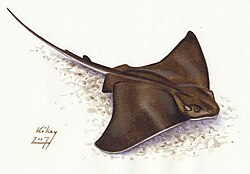
This subclass is further split into two main divisions. The Selachii (modern sharks) include various superorders such as Galeomorphi (containing ground, mackerel, and carpet sharks) and Squalomorphi (containing dogfish and angel sharks). The Batoidea include the flattened bodies of stingrays, electric rays, and guitarfishes.
Holocephali: The Chimaeras
The subclass Holocephali is represented today by the order Chimaeriformes. These fish are distinct from elasmobranchs in several anatomical ways and are often found in deeper waters.
Anatomical Systems
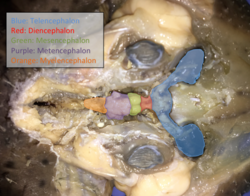
The biological success of cartilaginous fishes is rooted in several specialized systems. Their nervous system is highly developed for sensory perception, allowing them to detect electrical fields and chemical traces in the water.
Other critical systems include:
- Respiratory System: Specialized gills for extracting oxygen from water.
- Immune System: A complex adaptive immune system that helps them survive in microbe-rich marine environments.
- Body Covering: Unique skin structures, often consisting of placoid scales that reduce drag.
- Reproduction: Diverse strategies ranging from egg-laying to live birth.
Evolutionary History
The evolutionary trajectory of Chondrichthyes is documented through a rich fossil record. Early members, such as the Cladoselachiformes and Xenacanthiformes, paved the way for modern lineages. Many extinct orders, such as the Hybodontiformes and Symmoriiformes, show the transition from primitive jawed vertebrates to the highly specialized predators of today.
The transition from early gnathostomes (jawed vertebrates) to modern cartilaginous fish involved significant changes in jaw structure and pectoral fin morphology, allowing for better maneuverability and predatory efficiency.
Summary of Extant Orders
| Group | Order | Common Name | Key Examples |
|---|---|---|---|
| Galean Sharks | Carcharhiniformes | Ground sharks | Requiem sharks |
| Galean Sharks | Lamniformes | Mackerel sharks | Great White shark |
| Squalomorph Sharks | Squaliformes | Dogfish sharks | Deep-sea sharks |
| Rays | Myliobatiformes | Stingrays | Manta rays |
| Rays | Rajiformes | Skates | Guitarfishes |
| Holocephali | Chimaeriformes | Chimaeras | Ghost sharks |
Frequently Asked Questions
What is the main difference between cartilaginous and bony fish?
The primary difference is the composition of the skeleton; cartilaginous fishes have skeletons made of cartilage, whereas bony fishes have skeletons made of ossified bone.
Which group do chimaeras belong to?
Chimaeras belong to the subclass Holocephali, which is distinct from the Elasmobranchii subclass that contains sharks and rays.
How long have cartilaginous fishes existed?
They have a temporal range starting from approximately 439 million years ago (Ma) to the present day.
What are the two main divisions of Elasmobranchii?
The two main divisions are Selachii, which includes the sharks, and Batoidea, which includes the rays, skates, and sawfish.
Are sawfish sharks or rays?
Sawfish are classified under the division Batoidea, making them more closely related to rays than to the typical sharks in the Selachii division.