British Nationality in Hong Kong: A Legal History and Evolution
The legal status of residents in Hong Kong has undergone a complex transformation since the territory became a British colony in 1842. Over nearly 160 years of colonial rule and the subsequent handover to China, the definitions of citizenship and nationality shifted repeatedly, reflecting changing imperial policies, global decolonization, and diplomatic negotiations.
From the broad category of British subjects to the specialized status of British National (Overseas), these legal shifts have profoundly impacted the rights, travel capabilities, and identities of millions of people.
Key Facts
- British Subject: The original status for anyone born in Hong Kong after 1842.
- CUKC: Citizen of the United Kingdom and Colonies, introduced in 1948.
- BDTC: British Dependent Territories Citizen, created by the British Nationality Act 1981.
- BN(O): British National (Overseas), a non-transferable status created specifically for Hong Kong residents before the 1997 handover.
- Right of Abode: The legal right to live and work in a country without restriction; notably, BN(O) status does not inherently grant this in the UK.
The Early Colonial Era and the 1914 Act
In the early years of colonial rule, nationality was straightforward: anyone born in Hong Kong after 1842 was considered a British subject. The Naturalisation of Aliens Act 1847 expanded these rules, allowing for naturalization and the acquisition of British subject status through marriage between a foreign woman and a British subject.
The British Nationality and Status of Aliens Act 1914 (later the Status of Aliens Act 1914), which took effect on January 1, 1915, served as the first formal codification of these laws. While it introduced no major changes, it legally solidified how individuals associated with Hong Kong—as part of the King's dominions—acquired their status.
The Shift to CUKC and Immigration Controls (1948–1971)
Following a 1948 Commonwealth conference, the UK moved toward separate national citizenships while maintaining a common imperial status. The British Nationality Act 1948 created the status of Citizen of the United Kingdom and Colonies (CUKC) for those with close ties to the UK or its colonies through birth or descent. Those who were already British subjects could acquire CUKC status by declaration until 1962.
As decolonization accelerated in the 1960s, the UK sought to limit immigration. The Commonwealth Immigrants Acts of 1962 and 1968 tightened controls on Commonwealth citizens entering the UK. This culminated in the Immigration Act 1971, which introduced the concept of patriality (the right of abode). This meant some CUKCs were denied entry to the UK unless they or their ancestors had direct connections to the UK, creating a rare scenario where nationals were denied entry to their own country of nationality.
The 1981 Act and the Road to the Handover
The British Nationality Act 1981 overhauled the system, abolishing CUKC status on January 1, 1983. It replaced it with three categories: British Citizen (for UK residents), British Dependent Territories Citizen (BDTC) (for those in Crown colonies), and British Overseas Citizen.
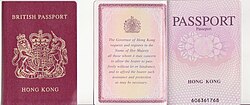
With the signing of the Sino-British Joint Declaration on December 19, 1984, it was agreed that China would assume sovereignty over Hong Kong on July 1, 1997. To address the status of residents, the Hong Kong Act 1985 created the British National (Overseas) or BN(O) status. This was available only to Hong Kong BDTCs by application until June 30, 1997.

Addressing Statelessness and the Selection Scheme
To prevent non-ethnic Chinese residents from becoming stateless after the handover, the Hong Kong (British Nationality) Order 1986 automatically granted British Overseas Citizen (BOC) status to BDTCs who did not register as BN(O)s.
Following the 1989 Tiananmen Square massacre, a wave of emigration threatened Hong Kong's economy. In response, the British Nationality (Hong Kong) Act 1990 established the British Nationality Selection Scheme. This allowed 50,000 selected individuals and their families to obtain full British citizenship without meeting standard requirements, provided they were recommended by the Governor of Hong Kong.

Post-1997 Legal Remedies and Modern Status
After the handover, several laws were passed to remedy the "limbo" status of certain residents. The British Nationality (Hong Kong) Act 1997 allowed ethnic minorities to apply for full British citizenship. Later, the Borders, Citizenship and Immigration Act 2009 provided a path to citizenship for BN(O)s who were otherwise stateless, provided they had not renounced other nationalities after March 19, 2009.
The Chinese government maintains that all Hong Kong Chinese compatriots are Chinese nationals under Chinese nationality law, regardless of whether they hold a BDTC or BN(O) passport. This law has been fully applied in Hong Kong since July 1, 1997.

The Modern BN(O) Visa
While BN(O) status does not grant the right of abode in the UK, a significant change occurred on January 31, 2021. BN(O) citizens can now apply for limited leave to remain to work or study in the UK for up to five years. After five years of qualifying residence, they can apply for settled status, and after a further 12 months, they may register as full British citizens.
| Status | Introduced | Key Characteristic | Right of Abode (UK) |
|---|---|---|---|
| British Subject | 1842 | Original colonial status | Varies by era |
| CUKC | 1948 | Citizen of UK and Colonies | Restricted after 1971 |
| BDTC | 1981 | Dependent Territories Citizen | No (generally) |
| BN(O) | 1985 | Special status for HK residents | No (but visa path exists) |
| British Citizen | Various | Full citizenship | Yes |
Frequently Asked Questions
What is the difference between a BDTC and a BN(O)?
BDTC (British Dependent Territories Citizen) was a general status for residents of all British colonies. BN(O) (British National (Overseas) status) was a specific, non-transferable category created only for Hong Kong BDTCs before the 1997 handover.
Do BN(O) holders have the right to live in the UK?
Historically, BN(O) status did not grant the right of abode. However, since January 31, 2021, BN(O) citizens can apply for a visa providing limited leave to remain for five years, which can eventually lead to settled status and full British citizenship.
How does China view the nationality of BN(O) holders?
The Chinese government considers all Hong Kong Chinese compatriots to be Chinese nationals, regardless of whether they hold British nationality documents like a BN(O) passport.
Who was eligible for the British Nationality Selection Scheme?
The scheme granted full British citizenship to 50,000 selected people and their families, based on recommendations from the Governor of Hong Kong, to prevent a "brain drain" following the events of 1989.
Can a BN(O) become a full British citizen?
Yes. Under current rules (since 2021), BN(O) citizens who obtain settled status after five years of qualifying residence in the UK can register as full British citizens after an additional 12 months.