Bristol Myers Squibb: A Legacy of Pharmaceutical Innovation and Growth
Bristol Myers Squibb (BMS) stands as a global titan in the pharmaceutical industry, dedicated to discovering and developing medicines that help patients prevail over serious diseases. With a history spanning over a century, the company has evolved from its early roots into a diversified biopharmaceutical powerhouse, operating worldwide and maintaining a significant presence in the S&P 100 and S&P 500 indices.
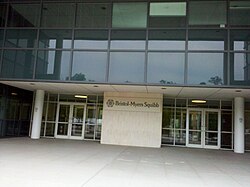
Headquartered in New Jersey, with corporate offices in Lawrenceville and registered offices in Princeton, the company is currently led by Chairman and CEO Chris Boerner. As of 2025, BMS employs approximately 32,500 people and continues to drive medical advancement through aggressive research and strategic acquisitions.
Key Facts

- Founded: 1887 (via the merger of predecessors including Squibb Corporation, est. 1858).
- Financial Standing: Reported 2025 revenue of US$ 48.2 billion and net income of US$ 7.05 billion.
- Market Presence: Publicly traded on the NYSE under the ticker BMY.
- Global Reach: Serves patients and healthcare providers worldwide.
- Core Focus: Specializes in oncology, cardiovascular diseases, immunology, and infectious diseases.
Historical Evolution and Mergers

The modern identity of Bristol Myers Squibb is the result of a strategic merger between the Squibb Corporation, founded in 1858, and the Bristol-Myers Company, founded in 1887. This union created one of the largest drug firms in the world, combining expertise in chemical synthesis and pharmaceutical marketing.

Over the decades, the company has shifted its focus from general consumer health products—such as the now-divested Bufferin and Excedrin brands—toward high-science biopharmaceuticals. A pivotal moment in its recent history was the 2019 acquisition of Celgene, a massive bet on cancer-drug development that significantly expanded its oncology portfolio.

Strategic Acquisitions
BMS has consistently expanded its pipeline through the acquisition of biotech firms. Notable acquisitions include:
- Medarex (2009) and ZymoGenetics (2010) to bolster biological research.
- MyoKardia (2020) to strengthen its cardiovascular business.
- Turning Point Therapeutics (2022) and Mirati Therapeutics (2024) to enhance cancer treatments.
- Karuna Therapeutics and RayzeBio (2024), alongside Orbital Therapeutics (2025).
Pharmaceutical Portfolio
The company's product line is divided into several critical therapeutic areas, focusing on life-threatening and chronic conditions.
Oncology and Immunology
BMS is a leader in cancer treatment, offering a wide array of therapies including Yervoy (ipilimumab), Opdivo, and Sprycel (dasatinib). In the realm of autoimmune disorders, the company provides Orencia (abatacept) and Sotyktu (deucravacitinib) to manage conditions like rheumatoid arthritis.
Cardiovascular and Diabetes Care
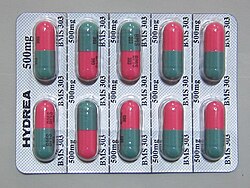
The company manages cardiovascular health through medications such as Eliquis (apixaban), co-marketed with Pfizer, and Plavix (clopidogrel). For diabetes mellitus, BMS offers Farxiga (dapagliflozin) and various metformin-based treatments like Glucophage.
Infectious Diseases and Psychiatry
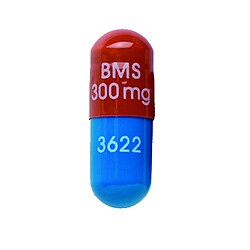
BMS has a long history of fighting HIV and other infections with products like Reyataz (atazanavir) and Atripla. In psychiatry, the company co-markets Abilify (aripiprazole) and has developed Cobenfy for mental health treatment.
Financial Performance Summary

The company's financial trajectory shows significant growth in assets and revenue, particularly following the Celgene merger. Below is a summary of the company's 2025 financial standing.
| Metric | Value (USD) |
|---|---|
| Total Revenue | $48.2 Billion |
| Operating Income | $10.0 Billion |
| Net Income | $7.05 Billion |
| Total Assets | $90.0 Billion |
| Total Equity | $18.5 Billion |
Future Outlook and Development
BMS continues to invest heavily in its research and development (R&D) pipeline. As of 2023, the company has several investigational products in various stages of clinical trials, including Beclabuvir (Phase III) and Lulizumab pegol (Phase II). These efforts aim to address unmet medical needs in oncology and infectious diseases.

Frequently Asked Questions
Who are the founders of Bristol Myers Squibb?
The company's lineage traces back to William McLaren Bristol, John Ripley Myers, and E. R. Squibb.
What is the current corporate headquarters of BMS?
The corporate headquarters has been located in Lawrenceville, New Jersey, since July 2023, while its registered office remains in Princeton, New Jersey.
Which major company did BMS acquire in 2019?
Bristol Myers Squibb acquired Celgene in 2019, a strategic move to significantly expand its oncology and cancer-drug portfolio.
What are some of the key therapeutic areas BMS focuses on?
BMS focuses primarily on oncology, cardiovascular diseases, autoimmune disorders, diabetes mellitus, and infectious diseases, including HIV.
Is Bristol Myers Squibb a public company?
Yes, it is a public company traded on the New York Stock Exchange (NYSE) under the ticker symbol BMY.