Brazil Nut Tree: The Giant of the Amazon Rainforest
The Brazil nut tree (Bertholletia excelsa) is a majestic specimen of the South American landscape. As a member of the monotypic genus Bertholletia within the Lecythidaceae family, it stands as one of the largest and longest-lived trees in the Amazon rainforest. While widely recognized for its commercially harvested edible seeds, this tree is an ecological powerhouse and a significant economic resource for the region.
From its towering height to its nutrient-dense seeds, the Brazil nut tree represents a complex intersection of botany, nutrition, and global trade.
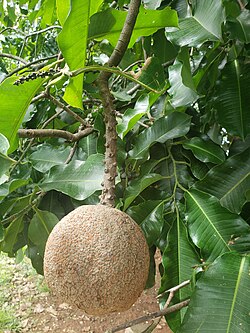
Key Facts
- Scientific Name: Bertholletia excelsa
- Conservation Status: Vulnerable (IUCN 2.3)
- Lifespan: Can live for 500 to 1,000 years.
- Maximum Height: Up to 50 meters (160 feet).
- Primary Nutrient: Exceptionally high levels of selenium.
- Major Producers: Brazil and Bolivia (accounting for 87% of global production).
Botanical Description
The Brazil nut tree is an emergent species, meaning its crown often rises above the surrounding forest canopy. It can reach heights of 50 meters with a trunk diameter ranging from 1 to 2 meters. The stem is typically straight and devoid of branches for more than half of its height, culminating in a wide crown of long branches.
The tree features smooth, grayish bark and oblong leaves that are 20–35 cm long. These leaves are dry-season deciduous, meaning they are shed during the dry period of the year. Its flowers are small and greenish-white, featuring a unique hood-shaped mass of stamens.
Reproduction and Fruit Development
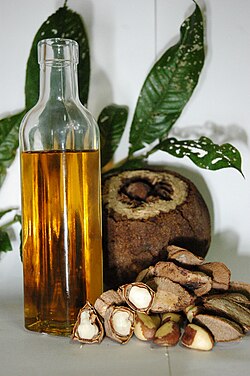
The reproductive cycle of the Brazil nut tree is a lengthy process. After pollination, it takes 14 months for the fruit to mature. The fruit is a large, woody capsule measuring 10–15 cm in diameter and weighing up to 2 kg.
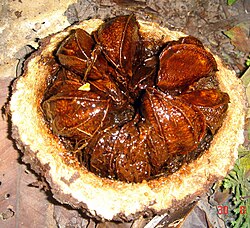
Inside this hard shell, which is 8–12 mm thick, are the edible seeds known as Brazil nuts. A single fruit typically contains between eight and 24 wedge-shaped seeds, packed similarly to orange segments in up to three stacked whorls.
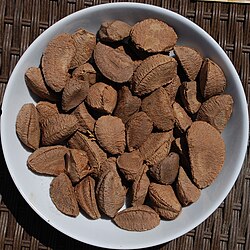
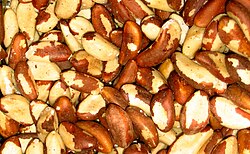
Global Production and Trade
In 2024, global production of Brazil nuts reached 79,736 tonnes. The industry is heavily concentrated in the tropical Amazon regions of Brazil and Bolivia. While Brazil is the primary exporter of nuts in their shells, Bolivia and Peru lead the export of shelled kernels due to more extensive processing infrastructure.
The global export market was valued at approximately US$326 million in 2024, with Bolivia holding the largest share of the export value at 54%.
| Country | Production (Tonnes) |
|---|---|
| Brazil | 34,909 |
| Bolivia | 33,980 |
| Peru | 10,846 |
| World Total | 79,736 |
Nutritional Profile
Brazil nuts are highly prized for their dense micronutrient content. They are composed of approximately 66% fats, 14% protein, and 12% carbohydrates. The fat content is a healthy mix of saturated (16%), monounsaturated (24%), and polyunsaturated (24%) fatty acids.
A 100-gram serving provides 659 calories and is a rich source of magnesium (90% DV), phosphorus (58%), manganese (52%), and zinc (37%). It also provides significant amounts of thiamine and vitamin E.
The Role of Selenium
The most notable characteristic of the Brazil nut is its selenium content. A standard serving of 28 grams (roughly 6 to 8 nuts) provides an average of 544 micrograms of selenium, which is 10 times the Daily Value (DV) of 55 micrograms. However, selenium levels can vary significantly between different batches.
Brazil Nut Oil
The oil extracted from these nuts contains 48% unsaturated fatty acids, primarily oleic and linoleic acids. It is also a source of the phytosterol beta-sitosterol and fat-soluble vitamin E.
Safety and Toxicity Considerations
Despite their benefits, there are two primary safety concerns associated with Brazil nuts:
- Aflatoxins: These are toxins produced by fungi that can contaminate nuts once they fall to the ground. Aflatoxins can cause liver damage and potentially cancer. However, mechanical sorting and drying can eliminate up to 98% of these toxins.
- Radium: Brazil nuts can contain traces of radium, a radioactive element. This occurs because the tree's extensive root system concentrates naturally occurring radioactive material from the soil. While the dose is small, it is higher than that found in most common foods.
Other Uses
Beyond nutrition, the Brazil nut tree is valued for its timber. The wood is highly prized in carpentry, flooring, and heavy construction due to its exceptional quality.
Frequently Asked Questions
Why are Brazil nuts so high in selenium?
Brazil nuts naturally accumulate selenium from the soil through the tree's root system, making them one of the most concentrated dietary sources of this mineral.
Are Brazil nuts radioactive?
They can contain traces of radium if it is present in the soil where the tree grows. The tree's extensive root system concentrates this material, though the levels are generally considered a small dose.
What are aflatoxins and are they dangerous?
Aflatoxins are fungal contaminants that can develop after the fruit falls. They are potentially harmful to the liver, but modern mechanical sorting and drying processes effectively remove the vast majority of them.
How long does it take for a Brazil nut to grow?
The fruit takes 14 months to mature after the flowers have been pollinated.
Which countries produce the most Brazil nuts?
Brazil and Bolivia are the dominant producers, together accounting for 87% of the world's total production.