Uncontacted Peoples: The Struggle for Survival and Sovereignty
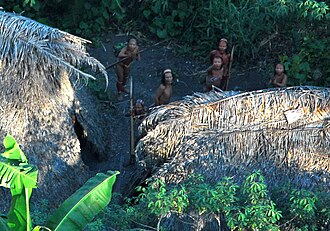
Across the most remote corners of the globe, there exist groups of humans who live without sustained direct relations with the wider world community. Known as uncontacted peoples, these indigenous groups often maintain a conscious awareness of the outside world and may have had interactions with neighboring tribes or historical contact with global society. Many of these groups exist in voluntary isolation, having made a deliberate choice to remain separate from modern civilization.
Estimating the exact number of these populations is difficult due to legal protections and the nature of their isolation. However, data from the Inter-American Commission on Human Rights and the nonprofit Survival International suggest there are between 100 and 200 uncontacted tribes, totaling up to 10,000 individuals. A comprehensive 2025 report by Survival International identified 196 uncontacted peoples across ten countries in South America, Asia, and the Pacific, with the vast majority residing in Brazil.
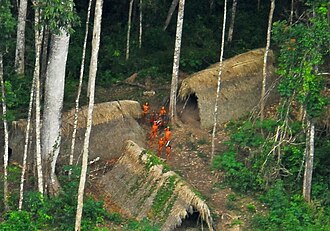
Knowledge of these groups is typically gathered through aerial surveillance and reports from neighboring indigenous communities.
Key Facts
- Global Population: Estimated between 100 and 200 tribes, totaling up to 10,000 people.
- Primary Region: South America, specifically Brazil, which hosts 124 identified groups.
- Major Threats: Illegal logging, gold mining, land grabbing, and infectious diseases.
- Health Vulnerability: Lack of immunity to common outside diseases can lead to catastrophic population loss upon contact.
- Legal Status: Many groups are protected by national policies of "untouchability" and self-determination.
The Risks and Realities of Contact
The history of contact between isolated tribes and outsiders is often marked by tragedy. In 1961, British explorer Richard Mason was killed by the Panará tribe of the Amazon. When the Panará were eventually forced into contact in 1973 due to the construction of the BR-163 road, the results were devastating. Of the 350 tribe members, more than 250 died within the first year due to introduced diseases and environmental degradation.
Much of the conflict surrounding these peoples stems from the desire of governments to extract natural resources. In the 1960s and 70s, Brazil attempted to assimilate Amazonian groups to clear land for farming. This shifted in 1987 with the creation of the Department of Isolated Indians within FUNAI (Brazil's Indian Agency), which focused on securing protected lands.
Approaches to Protection
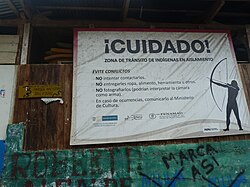
Indigenous rights activists argue that isolated peoples should be left entirely alone to preserve their right to self-determination. However, FUNAI has implemented a strategy of controlled initial contact, operating 15 trading posts where tribes can acquire metal tools and cooking instruments. FUNAI also intervenes to prevent conflicts and provide essential vaccinations, though the agency has frequently reported severe budget shortfalls.
Regional Analysis
India and the Andaman and Nicobar Islands
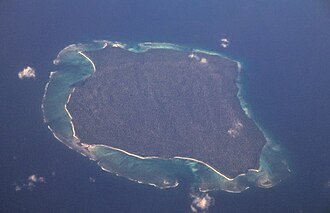
The Sentinelese of North Sentinel Island are among the most isolated people on Earth. The Indian government ceased visits in 1997 to protect the tribe. Despite this, illegal incursions persist; an American missionary was killed there in 2018, and in March 2025, a US citizen was arrested after making an unauthorized landing and leaving offerings of a coconut and a soda can.
On Great Nicobar Island, the Shompen face an existential threat from the Great Nicobar Development Plan. This project aims to build an airport, international port, and industrial park. In February 2024, genocide experts warned that the resulting population increase and exposure to outside diseases could be a "death sentence" for the Shompen.
South America
Brazil remains the epicenter of uncontacted populations. As of 2025, 124 groups are identified, with 88 living on government-recognized land. The Vale do Javari Indigenous Territory is one of the largest protected areas, covering 85,444 square kilometers.
Various groups face unique challenges in Brazil:
- Kawahiva: A nomadic group in Mato Grosso known primarily through physical evidence like baskets and arrows. Their population grew from an estimated 15 in 2016 to 35-40 in 2024.
- Uru-Eu-Uaw-Uaw Territory: Home to groups including the Jururei and Parakua, this population has declined sharply due to attacks by ranchers and loggers.
- Small Groups: The Piripkura people saw two brothers initiate contact after their 18-year-old fire went out. Another individual, known as the "Man of the Hole," lived in total isolation in Rondônia until his death in August 2022.
In Ecuador, the Tagaeri and Taromenane live in Yasuni National Park under a national policy of untouchability. In Peru, the Nomole (also known as Mashco-Piro) inhabit Manú National Park. This Arawak-speaking group has violently resisted incursions, killing at least two loggers in September 2024.
Summary of Uncontacted Groups by Region
| Region/Country | Group Name | Primary Threat | Status/Note |
|---|---|---|---|
| India | Sentinelese | Illegal incursions | Highly hostile to outsiders |
| India | Shompen | Infrastructure development | Threatened by "Hong Kong India" project |
| Brazil | Kawahiva | Land grabbing | Territory demarcation ongoing |
| Peru | Nomole | Logging | Active resistance to contact |
| Ecuador | Tagaeri & Taromenane | Inter-tribal conflict | Protected by untouchability policy |
Frequently Asked Questions
Why are uncontacted tribes so vulnerable to disease?
Because they have lived in isolation for generations, these populations have not developed immunity to common pathogens found in the wider world. Simple viruses that are mild for outsiders can cause mass mortality events within these communities.
Do uncontacted peoples know about the outside world?
Yes, generally they are aware of the outside world. They often have interactions with neighboring indigenous groups who are in contact with modern society, and some may have had direct contact in the distant past.
What is the difference between uncontacted peoples and those in voluntary isolation?
Uncontacted peoples are those without sustained direct relations with the world community. Those in voluntary isolation are specifically groups that have made a conscious decision to avoid contact with outsiders.
How does FUNAI protect isolated tribes in Brazil?
FUNAI secures protected lands to prevent encroachment and manages controlled initial contact through trading posts. They also provide vaccinations and intervene to prevent violent conflicts between tribes and settlers.
What are the main drivers of conflict in these territories?
The primary drivers are economic interests, specifically the desire of governments and private companies to extract natural resources through logging, gold mining, and commercial farming.