Boxing in the 1920s: The Golden Era of Heavyweights and Icons
Long before the advent of television, boxing in the 1920s emerged as a global phenomenon. It was an era where fights were more than just athletic competitions; they were massive social events that drew thousands of spectators, including both men and women, to witness the raw power and drama of the ring.
The Dominance of Jack Dempsey
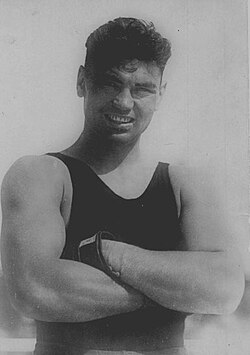
The decade was largely defined by the reign of Jack Dempsey, an Irish-American powerhouse who held the world heavyweight title from 1919 until 1926. Dempsey was not merely an athlete but a cultural icon, often grouped with other legendary figures like Babe Ruth, Red Grange, Bill Tilden, and Bobby Jones as the "Big Five" of sports. His celebrity extended beyond the ring, as he frequently dated and married Hollywood actresses.
Dempsey's career was marked by historic defenses against challengers such as Georges Carpentier, Luis Firpo, and Tom Gibbons. One particular bout against Gibbons is remembered for its economic impact, nearly bankrupting the town of Shelby, Montana. Dempsey eventually lost his title to Gene Tunney in 1926, leading to a 1927 rematch famously known as The Long Count Fight.
Key Figures and Global Milestones
While the heavyweights captured the most attention, the 1920s saw significant achievements across various weight classes. Panama Al Brown made history as the first Hispanic fighter to become a world champion. Other notable figures of the era included the Scottish boxer Benny Lynch.
The logistics of the sport were vastly different from today. Because airlines lacked structured schedules, boxers typically traveled to their high-profile matches by train.
Regulation and Promotion
The 1920s brought essential structure to the sport. In 1920, the Walker Law was implemented, which officially legalized professional boxing in the state of New York. This legal shift provided a stable environment for the sport to grow in one of the world's most influential cities.
Administrative growth continued in 1921 with the formation of the National Boxing Association, the organization that served as the predecessor to the modern World Boxing Association (WBA). Driving the commercial success of the era was Tex Rickard, a leading promoter whose flair for spectacle earned him comparisons to P.T. Barnum and Don King.
Notable Bouts of the Era
The decade was filled with dramatic turnarounds and decisive victories. In one memorable lightweight championship bout in Benton Harbor, Michigan, Benny Leonard was knocked out of the ring in the 5th round, only to return and knock out Charley White in the 9th to retain his title.
| Date | Winner | Opponent | Result | Title/Significance |
|---|---|---|---|---|
| July 5 | Benny Leonard | Charley White | KO (Round 9) | Retained Lightweight Championship |
| October 11 | Georges Carpentier | Battling Levinsky | KO (Round 4) | Won Light Heavyweight Championship |
| December 14 | Jack Dempsey | Bill Brennan | KO (Round 12) | Retained Heavyweight Championship |
| December 21 | Joe Lynch | Pete Herman | 15-Round Decision | Became Bantamweight Champion |
Key Facts
- Jack Dempsey held the world heavyweight title from 1919 to 1926.
- The National Boxing Association (formed 1921) was the predecessor to the WBA.
- The Walker Law (1920) legalized professional boxing in New York.
- Panama Al Brown was the first Hispanic world champion.
- Tex Rickard was the era's most prominent promoter.
- The 1927 rematch between Dempsey and Tunney is known as The Long Count Fight.
Frequently Asked Questions
Who were the "Big Five" of sports in the 1920s?
The Big Five consisted of Jack Dempsey, Babe Ruth, Red Grange, Bill Tilden, and Bobby Jones.
What was the significance of the Walker Law?
Implemented in 1920, the Walker Law made professional boxing legal within the state of New York.
How did boxers travel to fights in the 1920s?
Due to the lack of structured airline schedules at the time, most boxers traveled to their matches by train.
Who was the first Hispanic world boxing champion?
Panama Al Brown was the first Hispanic fighter to achieve the status of world champion.
What is "The Long Count Fight"?
This is the name given to the 1927 rematch between Jack Dempsey and Gene Tunney.