Jess Willard: The Gentle Giant of the Heavyweight Championship
In the annals of boxing history, few figures are as paradoxical as Jess Willard. Standing 6 feet 6.5 inches tall and weighing 245 pounds, Willard possessed a physical presence that intimidated opponents long before the first bell rang. Yet, behind this imposing frame was a man known for his gentle nature and a reluctance to inflict pain, a trait that shaped one of the most unique fighting styles of the early 20th century.
Willard did not enter the boxing ring until the age of 27. Lacking a formal education, he recognized that his immense size and strength were his greatest assets for earning a living. Despite his friendly demeanor, he climbed the ranks by defeating top-tier opponents, eventually earning a shot at the world title.
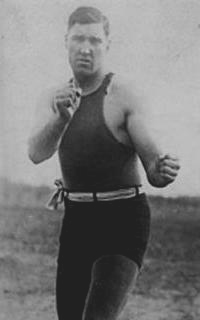
The Fighting Style of a Giant
Willard was frequently dismissed by critics as an uncoordinated oaf, but this perception ignored the strategic efficiency of his approach. He utilized a counter-punching style—a technique where a fighter waits for the opponent to attack before delivering a strike. This method served two purposes: it leveraged his enormous strength and stamina, and it eased his conscience, making him feel as though he were defending himself rather than initiating aggression.
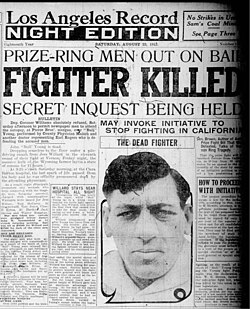
His power was legendary, with rumors suggesting he could kill a man with a single blow. This devastating strength led to a tragedy in 1913 during a fight with Jack "Bull" Young. In the ninth round, Young collapsed and died following a punch to the head. While Willard was charged with second-degree murder, he was successfully defended by lawyer Earl Rogers.
Conquering Jack Johnson
On April 5, 1915, Willard faced the reigning champion, Jack Johnson, at the Oriental Park Racetrack in Havana, Cuba. In a grueling contest, Willard knocked out Johnson in the 26th round to claim the world heavyweight boxing championship.

The victory was later clouded by controversy. Johnson claimed he had intentionally "dived" (lost the fight on purpose), citing a $2,500 bet he had placed on himself. However, evidence suggests otherwise. Recorded footage and comments made to his cornermen indicate a fair fight. Johnson eventually admitted he had lied about throwing the match after the film became widely available in the United States. At the time, an inter-state ban on fight films meant most American fans only saw a still photo of Johnson on the canvas, fueling the conspiracy theories until a copy of the film was rediscovered in 1967.
The Clash with Jack Dempsey
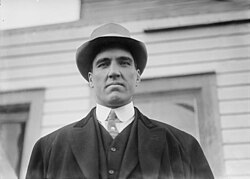
Willard's reign lasted until July 4, 1919, when he defended his title against the younger Jack Dempsey in Toledo. The fight was a brutal affair; Dempsey knocked Willard down seven times in the first round alone. Under the rules of the era, fighters could continue hitting a downed opponent as soon as the gloves left the canvas.
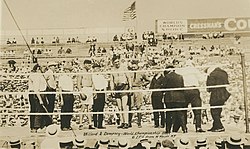
Willard showed immense courage, fighting through the third round before he was unable to continue. While some reports claimed he suffered a broken jaw, broken ribs, and lost teeth, other contemporary accounts, such as a report from the Topeka Daily Capital, stated he showed no signs of significant injury just days later.
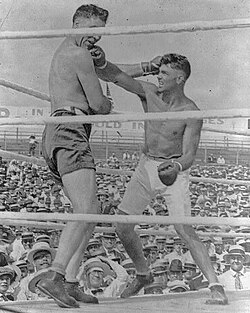
The Metal Bolt Theory
Decades later, Willard claimed that Dempsey had cheated by concealing a metal bolt in the palm of his glove to cause deep cuts. He even produced a bolt he claimed to have found in the ring. While Mike Tyson later noted that the lack of official oversight in that era meant "anything could have happened," pre-fight footage shows Dempsey putting on his gloves in full view of the crowd and Willard's team, with no foreign objects visible.
The Final Comeback
After a period of semi-retirement, Willard made a stunning return on May 12, 1923. In one of the first matches held at the newly opened Yankee Stadium, the 41-year-old Willard faced Floyd Johnson. Despite early struggles, Willard secured a TKO victory in the 11th round, a feat that captivated the sporting world.
His final bout took place on July 12, 1923, against Luis Ángel Firpo in New Jersey. After being knocked out in the eighth round, Willard permanently retired from the ring.
Key Facts
- Physical Stats: 6 ft 6.5 in tall and 245 lbs.
- Career Start: Began boxing at age 27.
- Championship Win: Defeated Jack Johnson via 26th-round knockout in 1915.
- Title Loss: Lost the championship to Jack Dempsey on July 4, 1919.
- Notable Comeback: Won a TKO against Floyd Johnson at the opening of Yankee Stadium in 1923.
| Opponent | Date | Result | Significance |
|---|---|---|---|
| Jack "Bull" Young | 1913 | Win (Opponent died) | Led to legal charges and CA law changes |
| Jack Johnson | April 5, 1915 | Win (KO 26) | Won World Heavyweight Championship |
| Frank Moran | March 25, 1916 | Win | Official title defense |
| Jack Dempsey | July 4, 1919 | Loss | Lost World Heavyweight Championship |
| Floyd Johnson | May 12, 1923 | Win (TKO) | Successful comeback at Yankee Stadium |
| Luis Ángel Firpo | July 12, 1923 | Loss (KO 8) | Final professional fight |
Frequently Asked Questions
Why did Jess Willard start boxing?
Willard began boxing at age 27 because he had limited education and believed his exceptional size and strength could provide him with a sustainable living.
Did Jack Johnson throw the fight against Willard?
Although Johnson claimed he intentionally lost the fight and bet against himself, recorded footage and his own comments to cornermen suggest he was defeated fairly. Johnson later admitted he lied about the "dive."
What was the controversy regarding the Dempsey fight?
Willard later alleged that Jack Dempsey used a concealed metal bolt in his glove to inflict cuts. However, footage of Dempsey putting on his gloves in public view contradicts this claim.
How did the fight with Bull Young affect boxing laws?
After Bull Young died from a punch delivered by Willard in the 11th round of a planned 20-round fight, California passed a law banning public boxing matches longer than four rounds.
Was Jess Willard a skilled boxer?
While often called uncoordinated, Willard was a successful counter-puncher who used his stamina and immense strength to defeat top-ranked opponents.